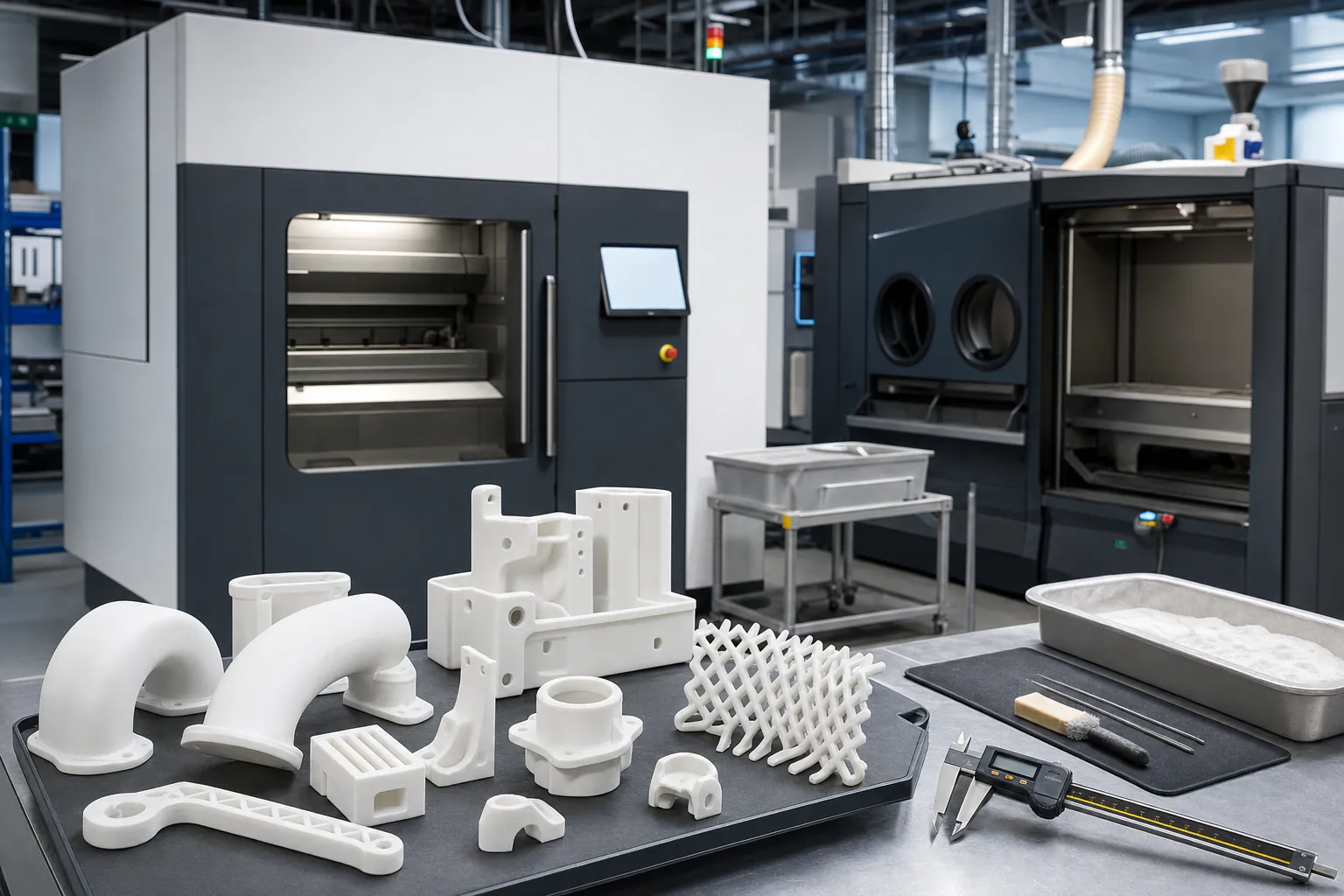
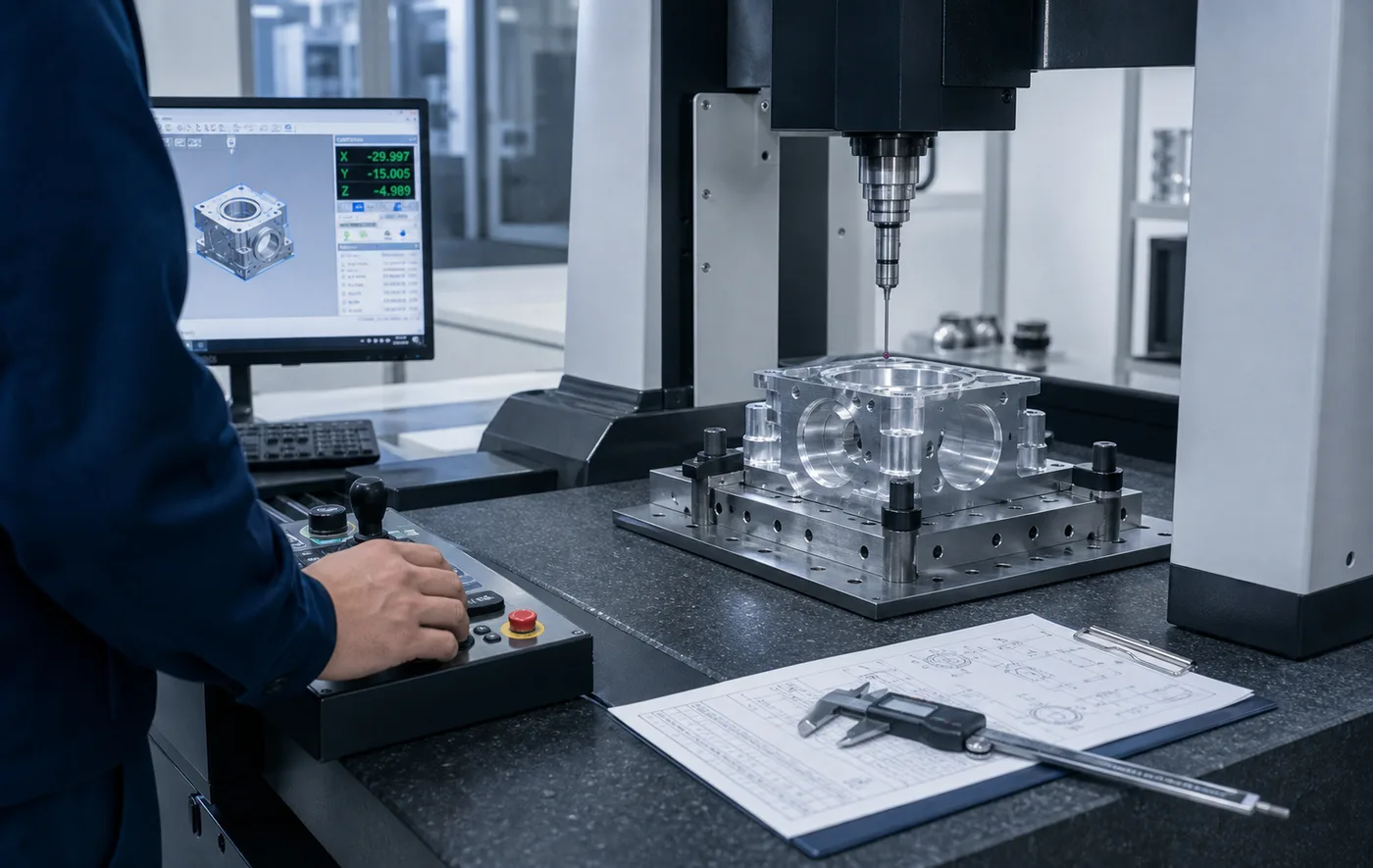
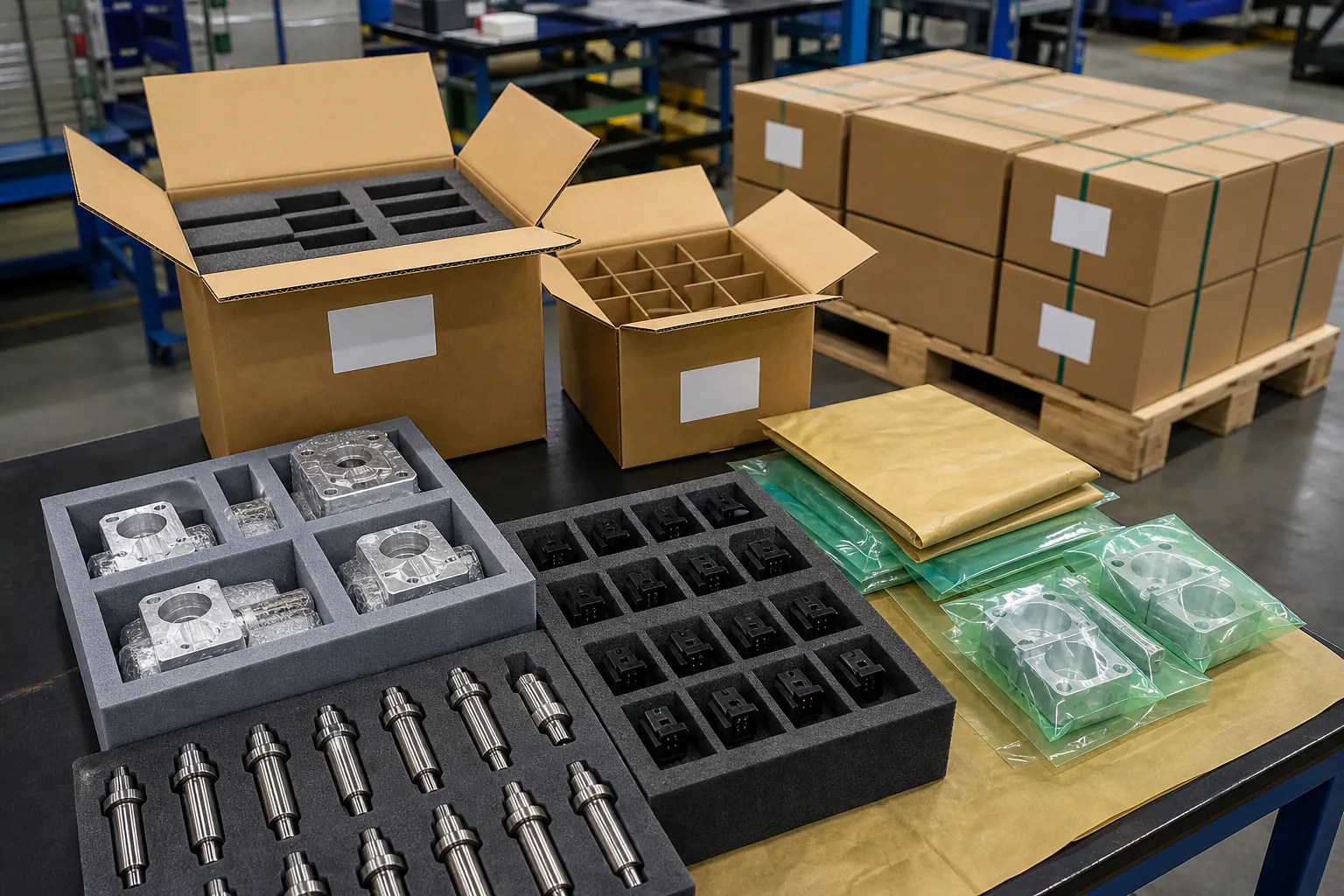
3D printing is useful in robotics when geometry changes quickly, mass matters, internal routing is valuable, or tooling is needed in small quantities. It should not be selected only because a file can be printed. Buyers need to define load direction, acceleration, cycles, temperature, contact, failure consequences, dimensional interfaces, and whether the printed part is temporary or production-facing.
1. Is the part a prototype, production aid, or end-use robot component?
2. What loads, acceleration, cycles, temperature, and collision risks apply?
3. Which interfaces need machining, inserts, wear pads, or tight inspection?
4. What failure mode is acceptable, and who approves the tool for operation?