Stage 1
Secure project intake
Upload CAD models, PDF drawings, product photos, BOM files, existing specifications, quantities, and delivery context.
The upload starts review. It does not authorize production or payment.
How MakesHub works
One project record connects engineering questions, supplier capability, written quotation, sample or first-article decisions, production, quality evidence, delivery, and future revisions.

Project workflow
The purpose of the workflow is not to move every upload directly into production. It is to resolve the technical, quality, commercial, and delivery decisions in the right order.
Stage 1
Upload CAD models, PDF drawings, product photos, BOM files, existing specifications, quantities, and delivery context.
The upload starts review. It does not authorize production or payment.

Stage 2
Review part identity, process fit, material, tolerance, finish, inspection, certification, packaging, and missing information.
Unclear or conflicting requirements return as questions instead of becoming hidden quote assumptions.

Stage 3
Check whether the applicable supplier route fits the required process, equipment, material, quantity, quality evidence, capacity, and destination.
A process listing is not production approval; the project-specific route still requires confirmation.

Stage 4
Issue reviewed unit prices, tooling or sample charges, quantity options, lead times, payment, freight, validity, exclusions, and commercial assumptions.
The buyer can compare, share, request changes, or continue to purchasing without being forced into an order.
Stage 5
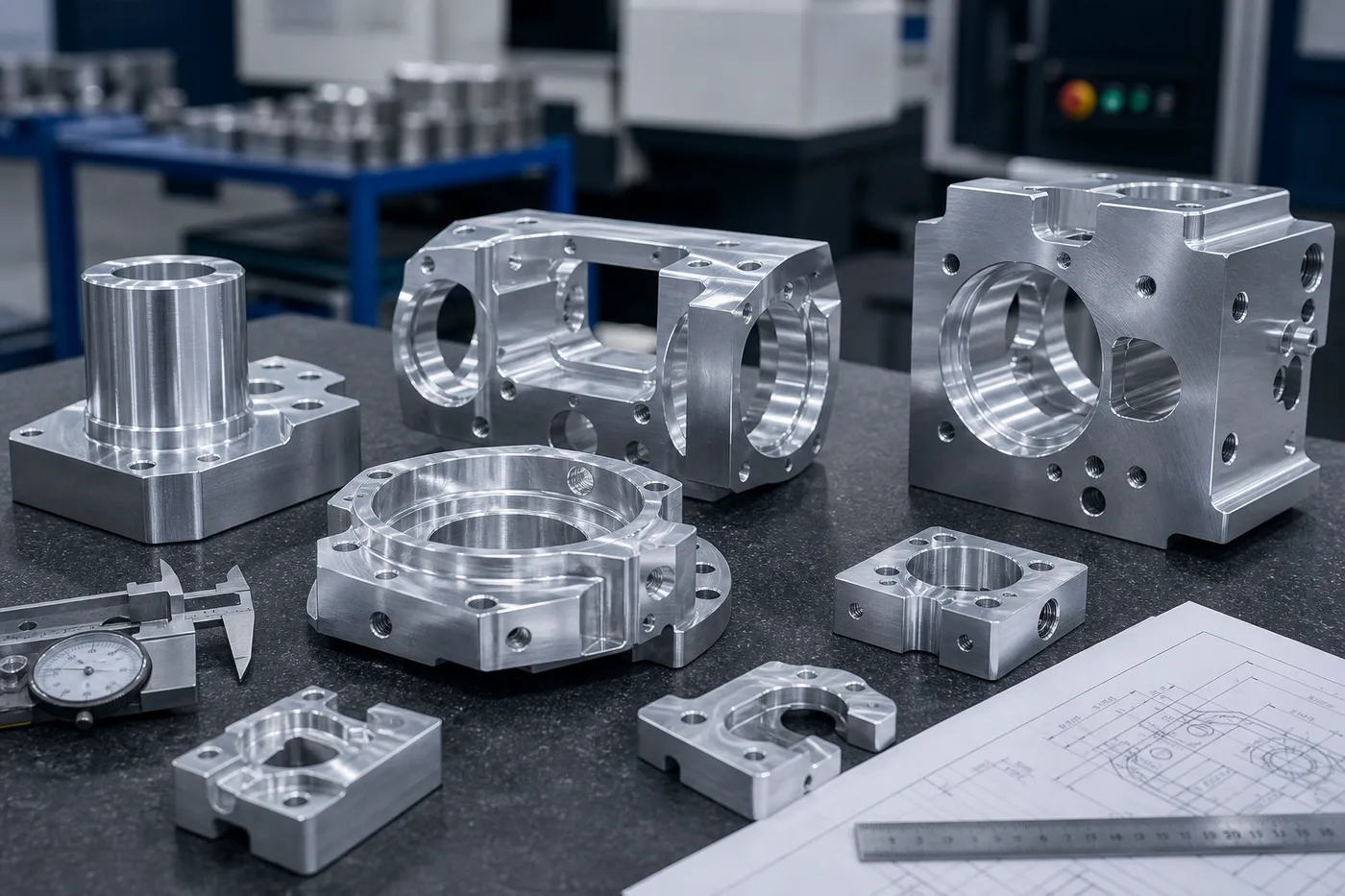
When the program requires validation, agree the sample quantity, tooling stage, inspection evidence, acceptance criteria, and approval owner.
Sample approval controls the next stage; it does not silently approve all future revisions.
Stage 6
Release the approved revision, process, material, finish, quantity, quality plan, packaging, and schedule to the selected production route.
Changes after release require a visible review of price, lead time, quality, and revision impact.
Stage 7
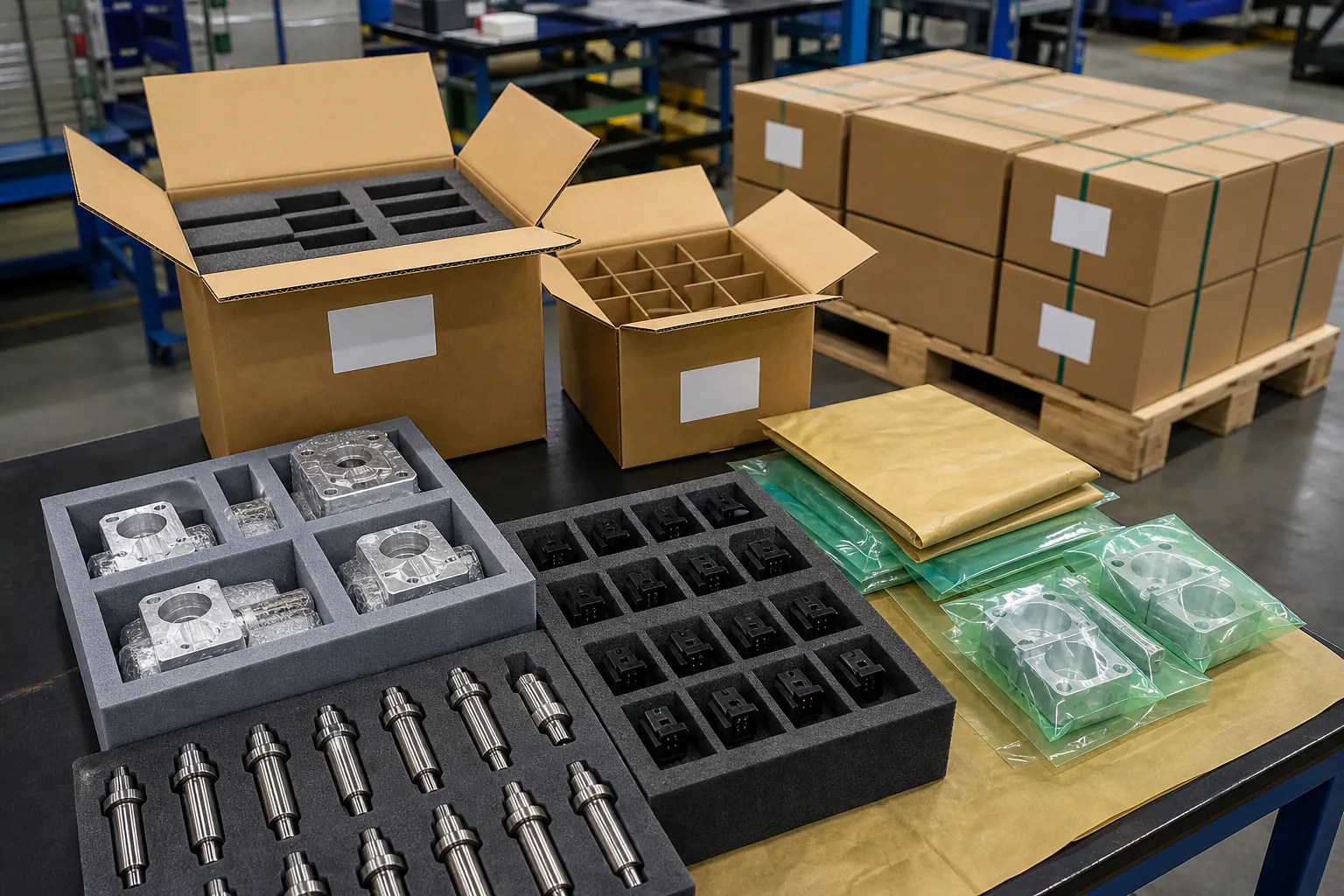
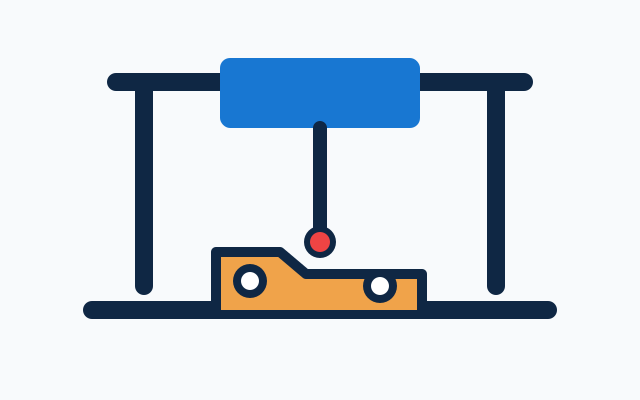
Complete the quoted inspection, documentation, cosmetic review, protective packaging, shipment, and delivery communication.
Shipment evidence and exceptions stay connected to the same RFQ, quotation, and order record.

Stage 8
Reuse approved part context while confirming the current revision, quantity, supplier capacity, material availability, price, quality scope, and lead time.
A repeat order is faster because context is preserved, but commercial and revision checks still remain.
Price and commitment levels
Comparing an early planning number with a firm quotation creates avoidable risk. MakesHub separates guidance, a reviewed offer, and the purchasing handoff.
Level 1
A non-binding estimate or material/process comparison used to narrow choices while required inputs or real factory calibration are incomplete.
Level 2
An engineering-reviewed commercial offer with defined parts, quantities, prices, lead times, quality scope, terms, validity, and source evidence.
Level 3
The buyer selects the applicable option, confirms purchasing and delivery details, and submits the required PO or commercial approval.
What improves quote speed
A complete RFQ receives better decisions faster than a one-line request. Complex projects may still require clarification even when every available file has been uploaded.
Response and escalation
These are internal response targets, not guaranteed quotation or production times. The clock depends on readable files, sufficient requirements, supplier evidence, technical complexity, working hours, and customer clarification.
2 business hours
Acknowledge the RFQ, confirm file access, and identify the review owner or the first blocking question.
24 business hours
Issue a written quotation after sufficient project and supplier evidence is available for a standard request.
48 business hours
For complex work, issue the reviewed quotation or explain what remains open, who owns it, and the next update.
The review will show what can be evaluated now, what still needs confirmation, and whether the project is ready for a firm quotation.
Upload CAD drawings, quantities, materials, tolerances, finishes, inspection needs, and delivery requirements. The next step is an engineer-reviewed quotation with visible assumptions and unresolved questions.
Upload Files for Review