01 · Engineering review
We review the controlled files, process fit, missing requirements, quality scope, and quotation assumptions before sourcing.
Manufacturing Capability
MakesHub reviews sheet metal projects across cutting, bending, joining, hardware insertion, finishing, inspection, packaging, and supplier fit before quotation.
Page intent
Choose the right manufacturing process before uploading files
Quote input
CAD, PDF, photo, BOM, quantity, material, finish, tolerance
Review path
Sales intake, engineering review, quote factors, follow-up task
Quality proof
Tolerance notes, inspection plan, critical dimensions, packaging risk
Delivery scope
Prototype, sample, low-volume, production, export delivery
Review the process, material, inspection plan, and export delivery requirements before sending drawings.
Commercial responsibility
MakesHub manages engineering review, controlled sourcing, quotation scope, quality requirements, and delivery coordination. The exact manufacturing route is approved for each project rather than assumed from a website category.
01 · Engineering review
We review the controlled files, process fit, missing requirements, quality scope, and quotation assumptions before sourcing.
02 · Controlled sourcing
A production source is assigned only after its legal entity, manufacturing site, exact process capability, and current project evidence are approved.
03 · Written quotation
Examples and early guidance are not firm offers. The issued written quotation controls price, scope, lead time, exclusions, and validity.
04 · Production release
Uploading files starts review. Production begins only after an accepted quotation, customer purchase authorization, controlled revision, and release checks.
Website images, example specifications, and workflow scenarios are planning references. They do not prove a named factory's equipment, capacity, certification, price, or delivery performance.
Before you place an order
An upload is a request for review, not a production commitment. MakesHub should first help you understand the missing information, suitable route, price drivers, quality scope, and delivery risk.
Send Files for Engineering ReviewYou decide whether to proceed only after reviewing the written quotation.
Step 1
CAD, PDF drawings, product photos, BOM files, quantity, material, tolerance, finish, quality needs, and delivery country.
Step 2
We identify missing inputs, process or material alternatives, critical cost drivers, inspection needs, and project risks.
Step 3
A firm quotation requires eligible supplier capability and cost evidence for the controlled technical and commercial scope.
Step 4
You see the quoted scope, price, lead time, assumptions, exclusions, validity, and next approval step before committing.
Quotation transparency
No service should be hidden inside an unexplained unit price. Applicable charges and exclusions belong in the written quotation, using the same controlled project scope.
Quantity-based part pricing for the reviewed material, process, finish, tolerance, and inspection scope.
Molds, dies, fixtures, trial parts, or first-article work are shown separately when the project requires them.
DFM, drawing work, CMM, FAI, PPAP, certificates, or third-party inspection are itemized when applicable.
Special packaging, freight, Incoterm, named place, duties, and taxes are stated or explicitly excluded.
Response planning
These are internal operating targets, not guarantees. The issued quotation controls the actual response, price, production, and delivery timing for each project.
Initial response target
Within 2 business hours
For a valid drawing-led RFQ received during the sales working day.
Standard quote target
Within 24 hours
After sufficient specifications and eligible supplier evidence are available.
Complex quote target
Within 48 hours or a status update
For tooling, special processes, incomplete files, or multi-supplier review.
Direct answer
Sheet Metal Fabrication is selected by matching geometry, material, tolerance, quantity, finish, and production stage to the strengths and limits of the process. Compare alternatives when tooling, setup, surface quality, or production volume changes the most economical route.
The RFQ should prove whether the proposed legal manufacturer and site can control the enclosure, bracket, panel, or assembly route, including any outside finishing or special process.
Bend radius, sheet thickness, tolerance, inserts, and finish are important for quotation accuracy.
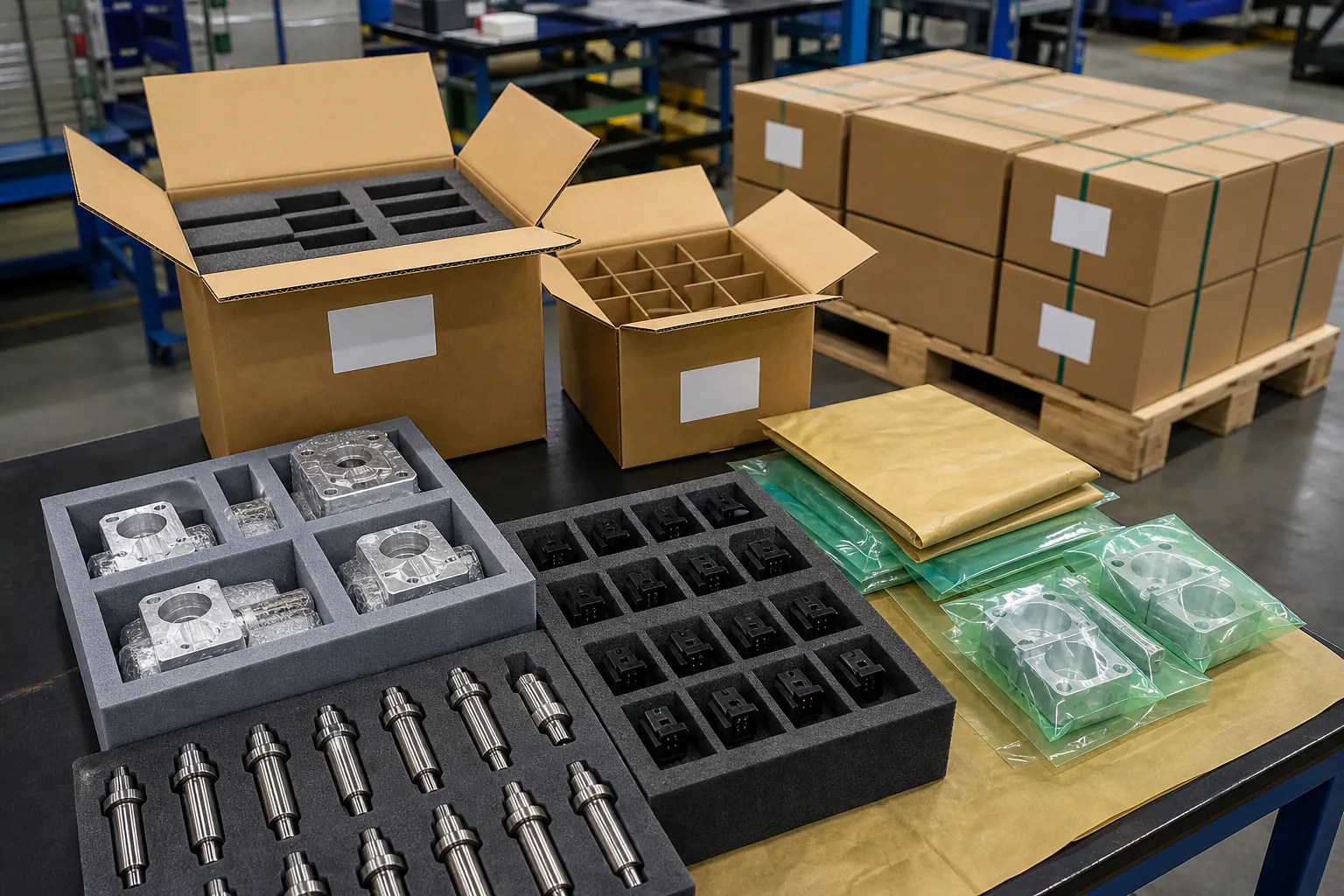
The review should identify critical hole patterns and formed dimensions, flatness or fit checks, weld and hardware evidence, coating acceptance, labeling, and packaging that prevents scratching or bending.
Buyer decision path
Move from an early requirement to a sourcing decision: confirm whether the part or process fits, identify the details that drive quote accuracy, and prepare the information needed for engineering review.
Start from CAD, PDF drawings, product photos, or sample specifications.
Confirm whether Sheet Metal Fabrication is the right manufacturing route for the part.
Clarify material, tolerance, finish, inspection, and batch quantity.
Turn the project into a trackable RFQ, sales follow-up, and quotation.
Prototype to production
Buyers often need more than a price. This path explains how a project can move from early files to sample approval, low-volume build, production, quality inspection, and delivery without forcing a purchase decision too early.
Use early drawings, photos, or samples to check whether Sheet Metal Fabrication is feasible.
Confirm material, finish, tolerance, inspection notes, and packaging before scaling.
Validate production route, lead time, quote drivers, and repeatable quality control.
Move approved parts into batch production, inspection reporting, and export delivery.
Visual manufacturing path
Use the image chain to understand how drawings become a reviewed process, an application-ready part, an inspection plan, and protected delivery.

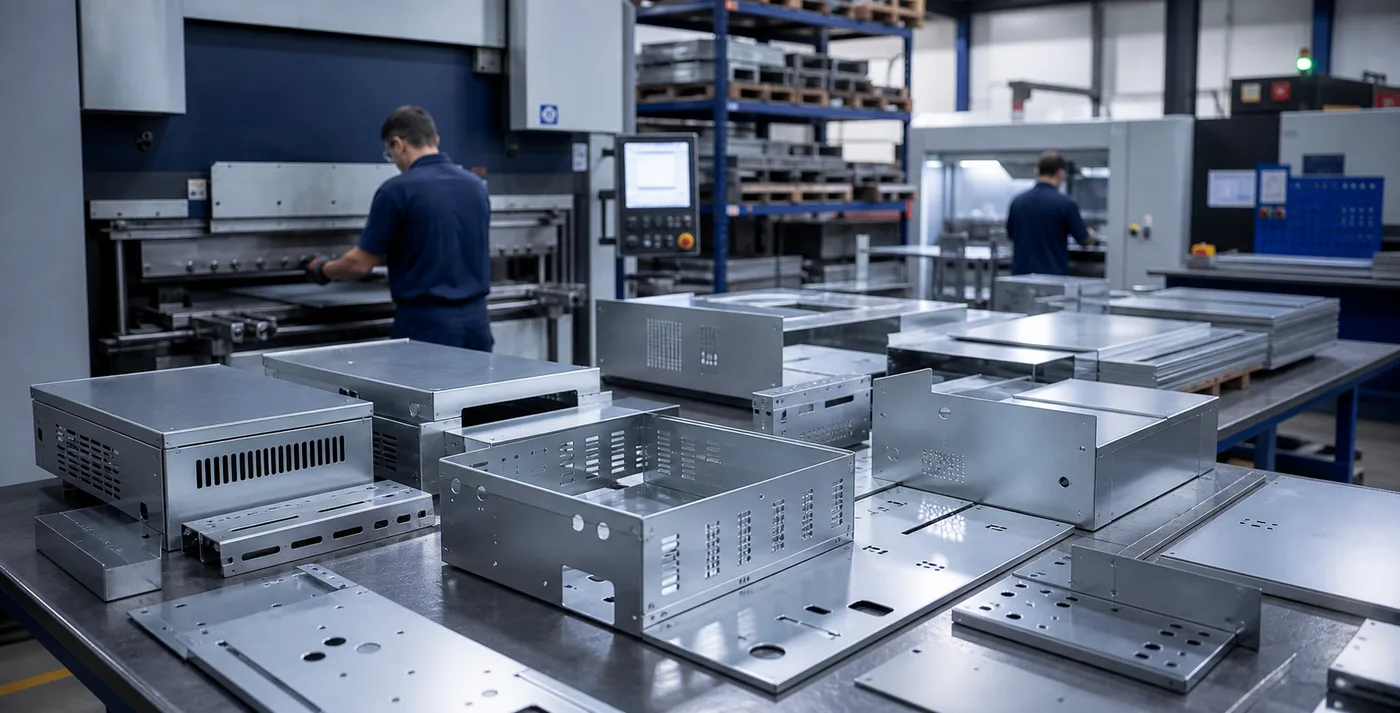
Review CAD, dimensions, material, tolerance, finish, and missing quotation inputs.

Connect the approved requirement to a practical machining, fabrication, molding, casting, stamping, or printing route.
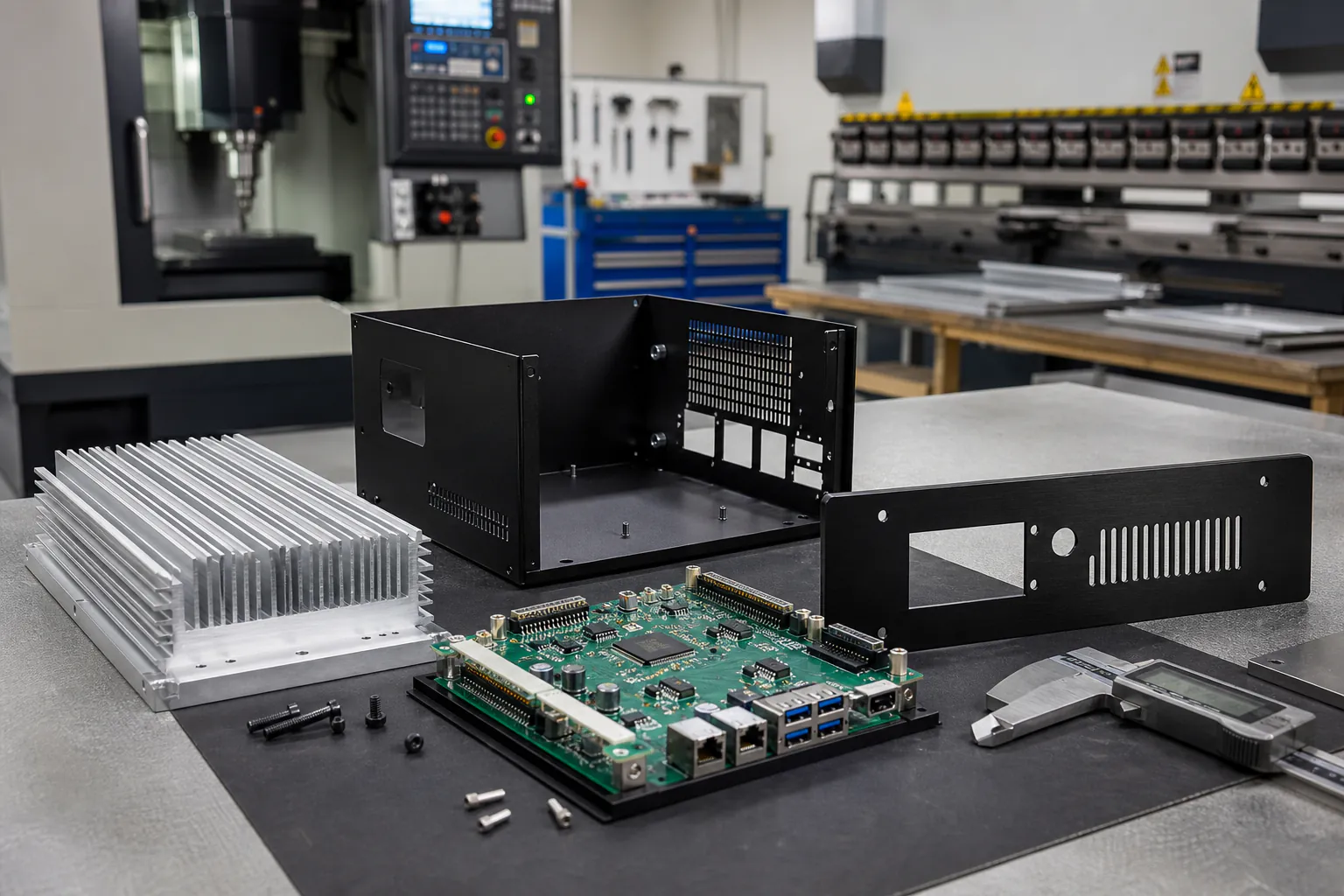
Connect fabricated panels and enclosures to electronics assemblies, heat management, mounting, and connector access.
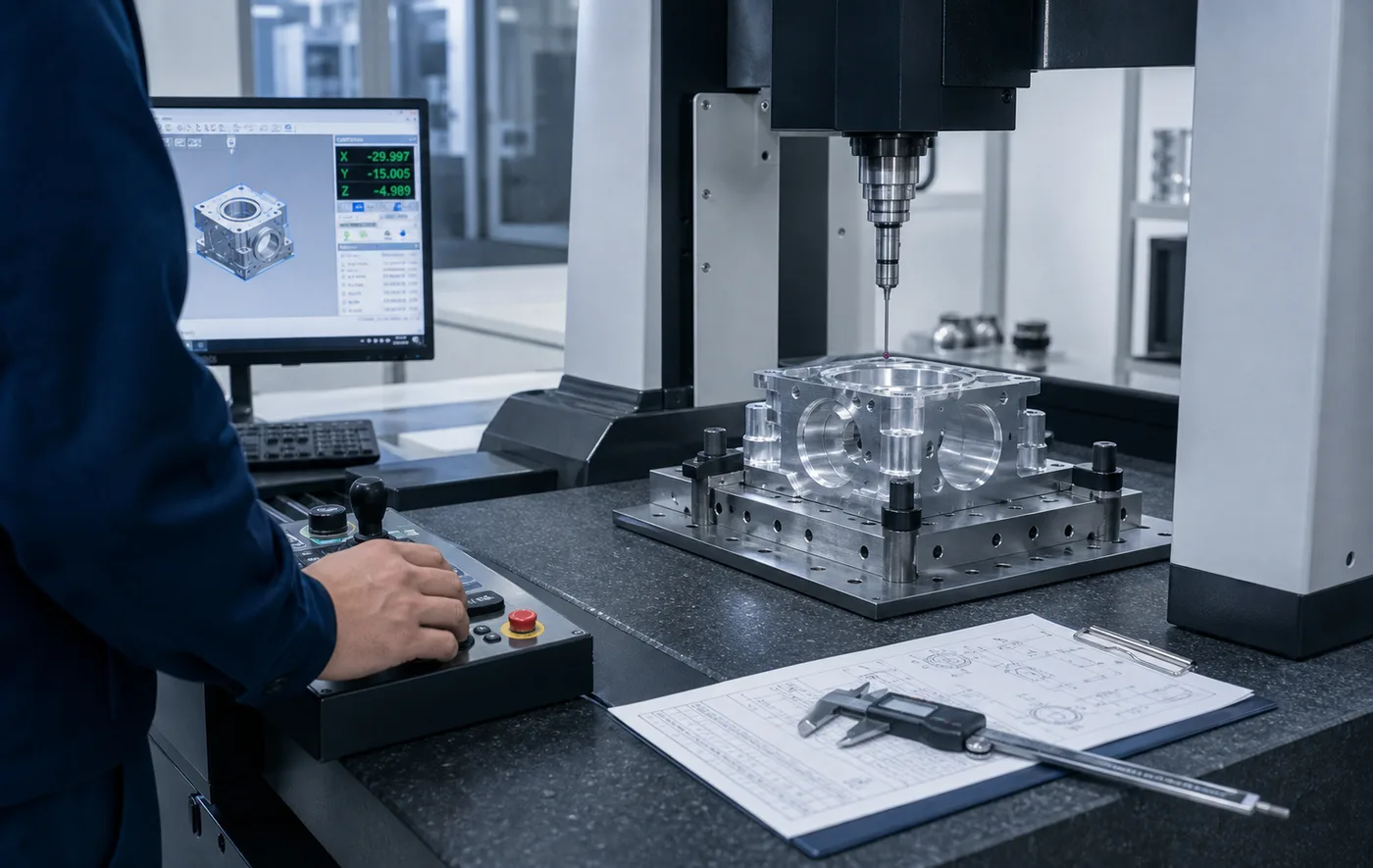
Plan dimensional inspection, critical features, surface checks, and supporting documentation.
Manufacturing specifications
Use this specification block for a fast supplier-fit check based on manufacturability, quality, quote accuracy, and delivery instead of generic marketing claims.
Engineering detail
Mature manufacturing buyers compare suppliers by technical evidence. These checks explain what should be reviewed before pricing, sample approval, batch production, and export delivery. Final limits always depend on drawings, material, geometry, quantity, and inspection requirements.
What sales will review
Geometry, tolerance, material, batch size, finish, and secondary operations.
Critical dimensions, inspection method, surface requirement, and packaging.
CAD models, PDF drawings, photos, samples, or BOM files.
Quantity, annual demand, target price, lead time, and delivery country.
Related engineering resources
Buyers who are still comparing options can use these related pages before sending files. Buyers with drawings can go directly to the RFQ workflow.
DXF or DWG files are useful for flat cutting, while STEP and PDF drawings help define final geometry.
Powder-coated enclosure projects can be evaluated. The coating source, material preparation, color, texture, masking, appearance criteria, inspection, and packaging are confirmed in the written quotation.
The quotation should state material and thickness, cutting and forming scope, installed hardware, welding, finishing, inspection, special packaging, freight assumptions, exclusions, and validity.
Upload drawings, product photos, specifications, and annual demand so sales can score the RFQ and prepare a quotation.
Upload Files for Quote