

Engineering Review
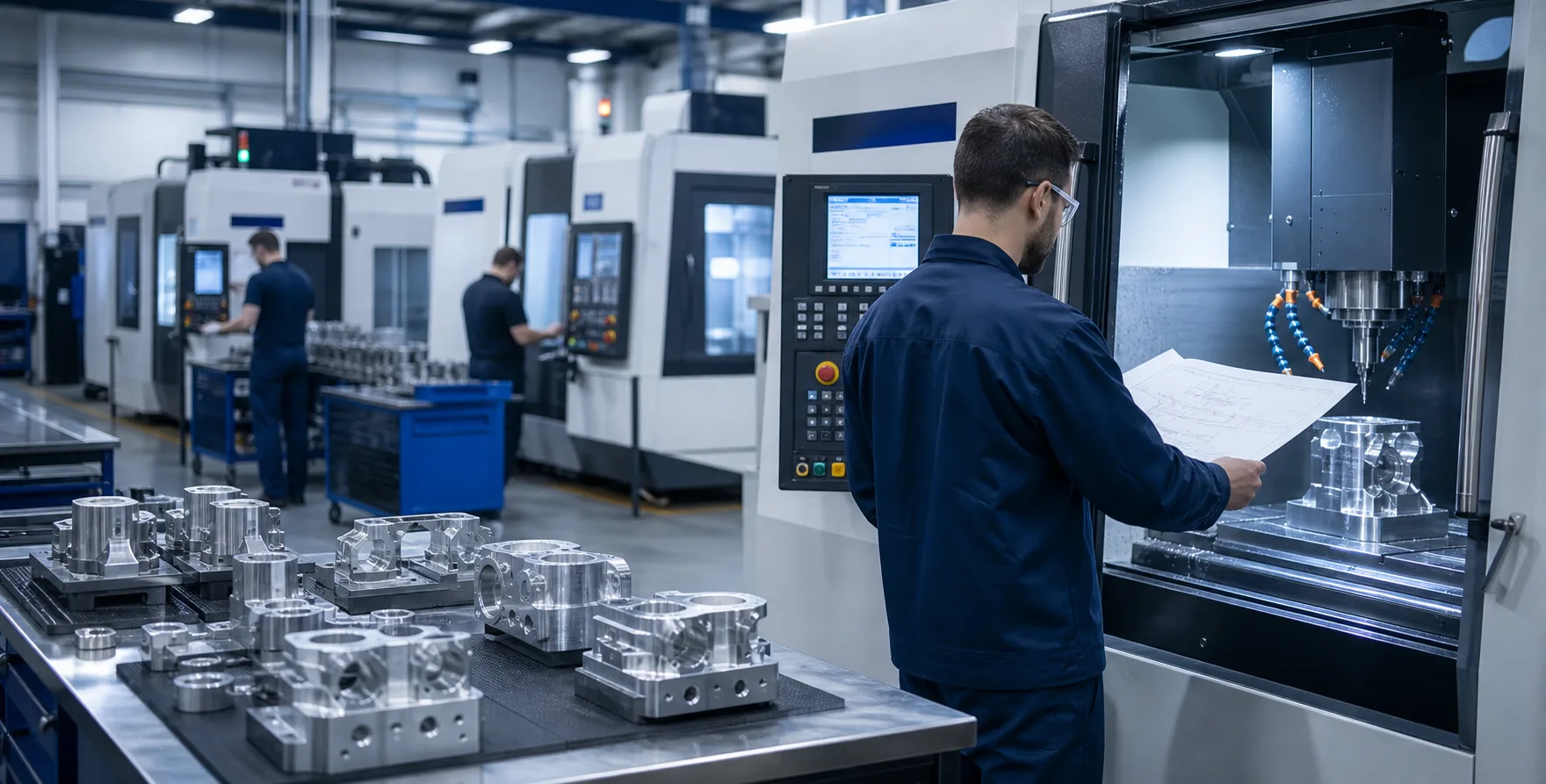
Review CAD, dimensions, material, tolerance, finish, and missing quotation inputs.
FAQ
Understand what to prepare before requesting CNC machining, sheet metal, injection molding, 3D printing, die casting, or stamping quotes.
You can upload STEP, STP, STL, SLDPRT, DXF, DWG, IPT, X_T, X_B, 3DXML, CATPART, PRT, SAT, 3MF, PDF, JPG, PNG, and XLSX files.
Provide CAD and PDF drawings, material grade, quantity, annual demand, critical tolerances, surface finish, inspection requirements, target delivery, and destination country.
Yes. Product photos, sketches, samples, supplier specifications, and BOM files can begin the review, although final CAD and drawings usually improve pricing accuracy.
Projects can be reviewed for CNC machining, sheet metal fabrication, injection molding, 3D printing, die casting, metal stamping, welding, and tooling.
Uploaded files stay attached to the quotation request for sales and engineering review. Contact sales before submission if your project requires a separate NDA.
The system creates an RFQ number and stores the project details. Sales reviews the files, asks for missing information when needed, and prepares the next quotation step.
Yes. Include expected tool life, sample quantity, production quantity, annual demand, material, color, texture, and required approval stages.
Yes. Mark critical dimensions and datums on the drawing, then state the finish, color, masking, cosmetic areas, inspection report, material certificate, and packaging requirements.
No. Custom parts require review of geometry, process, material, tolerance, finish, quantity, tooling, inspection, and delivery requirements before a reliable quotation can be prepared.
Visual manufacturing path
Use the image chain to understand how drawings become a reviewed process, an application-ready part, an inspection plan, and protected delivery.
Review CAD, dimensions, material, tolerance, finish, and missing quotation inputs.
Connect the approved requirement to a practical machining, fabrication, molding, casting, stamping, or printing route.
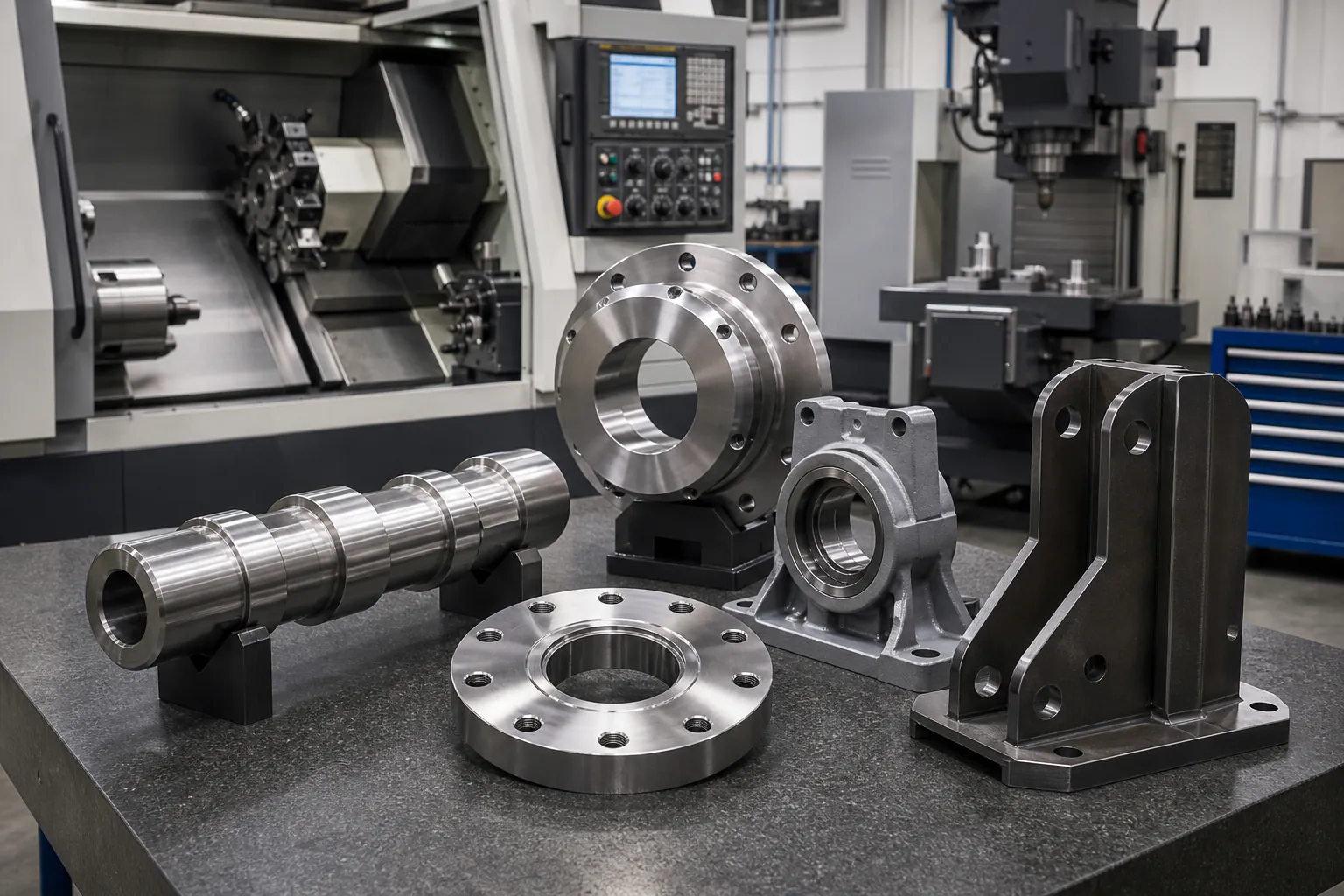
Connect custom shafts, flanges, housings, and brackets to industrial equipment and OEM assembly requirements.
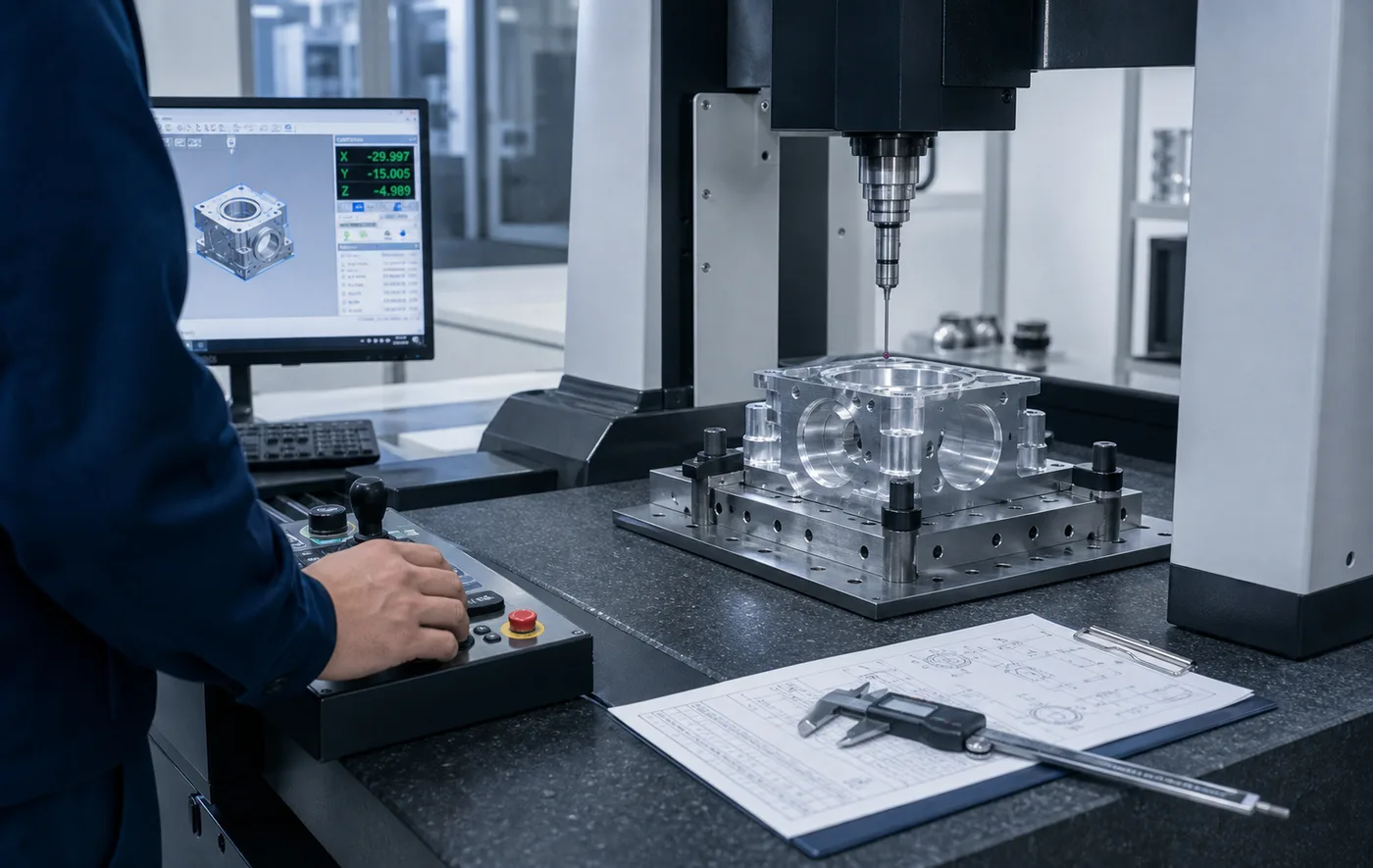
Plan dimensional inspection, critical features, surface checks, and supporting documentation.
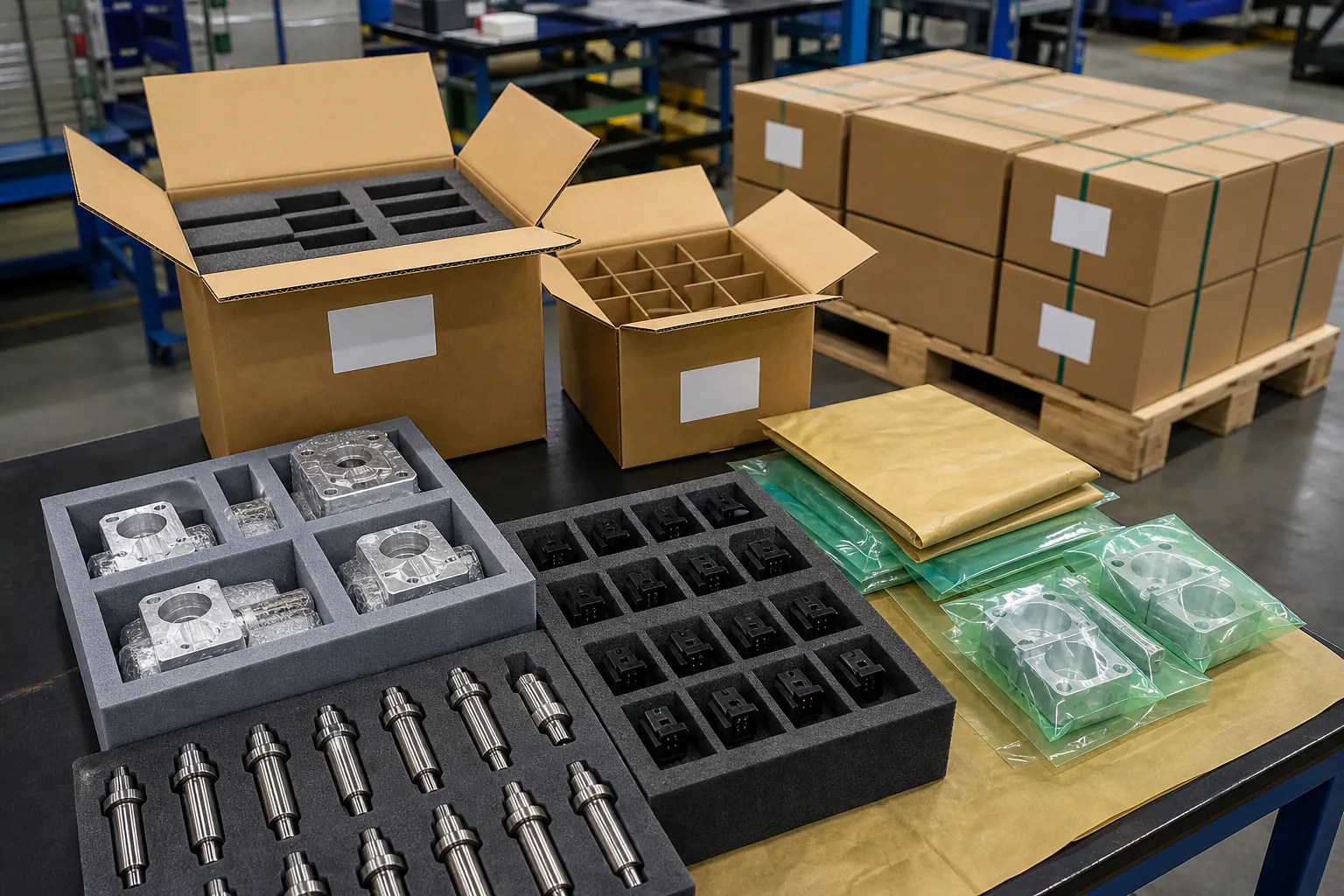
Separate finished parts, protect surfaces and metal, label batches, and prepare export packaging.