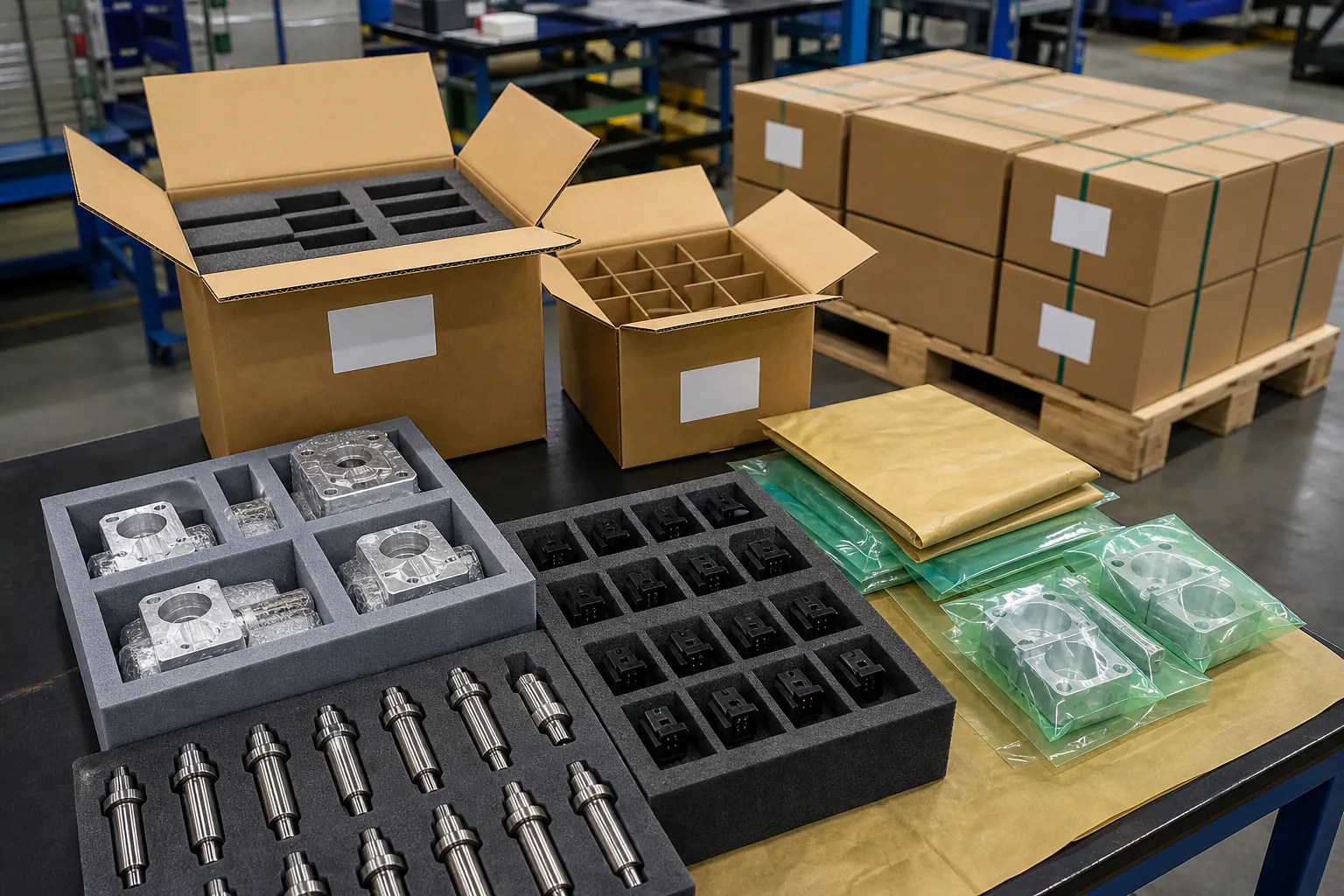
Responsibility 1
Engineering and sourcing
Connect the drawing, application, process, material, tolerance, volume, and supplier capability before a firm quotation is issued.
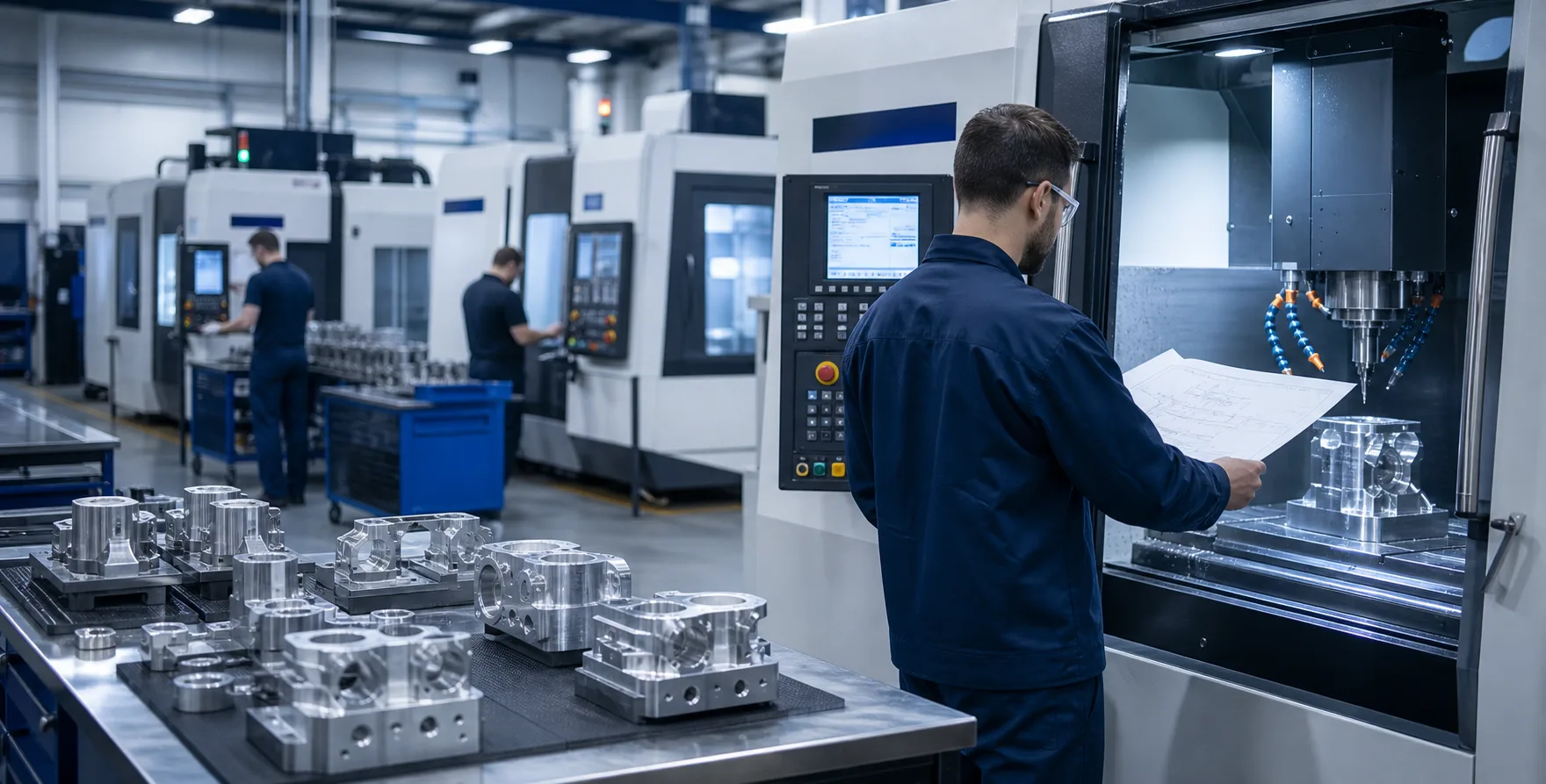
Engineer-led manufacturing sourcing and delivery
Source CNC machined parts, sheet metal components, and injection molded plastics through one accountable path for drawing review, quotation, supplier capability checks, quality planning, and export delivery.
Representative manufacturing visual. Production source approved per project.
One accountable project path
MakesHub manages the project record and commercial workflow. Production starts only after the route, written price, quality scope, delivery assumptions, and supplier capability are reviewed.
The review identifies missing inputs, viable processes, material questions, major cost drivers, and the assumptions required before a firm quotation can be issued.
CAD models, PDF drawings, product photos, BOM files, and existing specifications
Process fit, materials, geometry, tolerances, finishes, and missing information
Critical dimensions, inspection evidence, certifications, and packaging risks
Quantity, tooling, lead time, payment, shipping, and delivery assumptions
One accountable project path
The website is the project workspace, not a directory of anonymous factories. Every firm quotation must connect the technical requirement to a reviewed production, quality, and delivery plan.
Responsibility 1
Connect the drawing, application, process, material, tolerance, volume, and supplier capability before a firm quotation is issued.
Responsibility 2
Keep unit price, tooling, sample cost, lead time, payment, freight, validity, exclusions, and change requests inside one project record.
Responsibility 3
Define critical dimensions, inspection evidence, certificates, packaging, origin requirements, Incoterm, and delivery destination before release.
Responsibility 4
Preserve approved files, revisions, part configurations, quotations, purchase orders, and delivery history for controlled repeat orders.
Project services
Buyers do not need a membership to submit an RFQ. Optional engineering, tooling, inspection, documentation, packaging, and delivery services are defined in the written quotation instead of hidden inside a generic promise.
Prototype, bridge, low-volume, and repeat production priced against the approved process and supplier route.
Molds, dies, fixtures, DFM support, drawing clarification, and material-alternative review can be quoted as visible line items.
Dimensional reports, CMM, FAI, PPAP, material evidence, and third-party inspection are scoped only when the project requires them.
Expedited production, special packaging, split shipments, buyer-carrier handoff, and quoted Incoterms remain explicit commercial choices.
Before you decide
A useful review explains what is known, what is missing, what changes the price, and what still requires supplier or engineering confirmation.
Upload Files for ReviewCore manufacturing programs
These programs cover precision machined parts, formed metal products, and repeat plastic components. Each route connects technical review, supplier capability, written pricing, quality scope, and delivery planning.
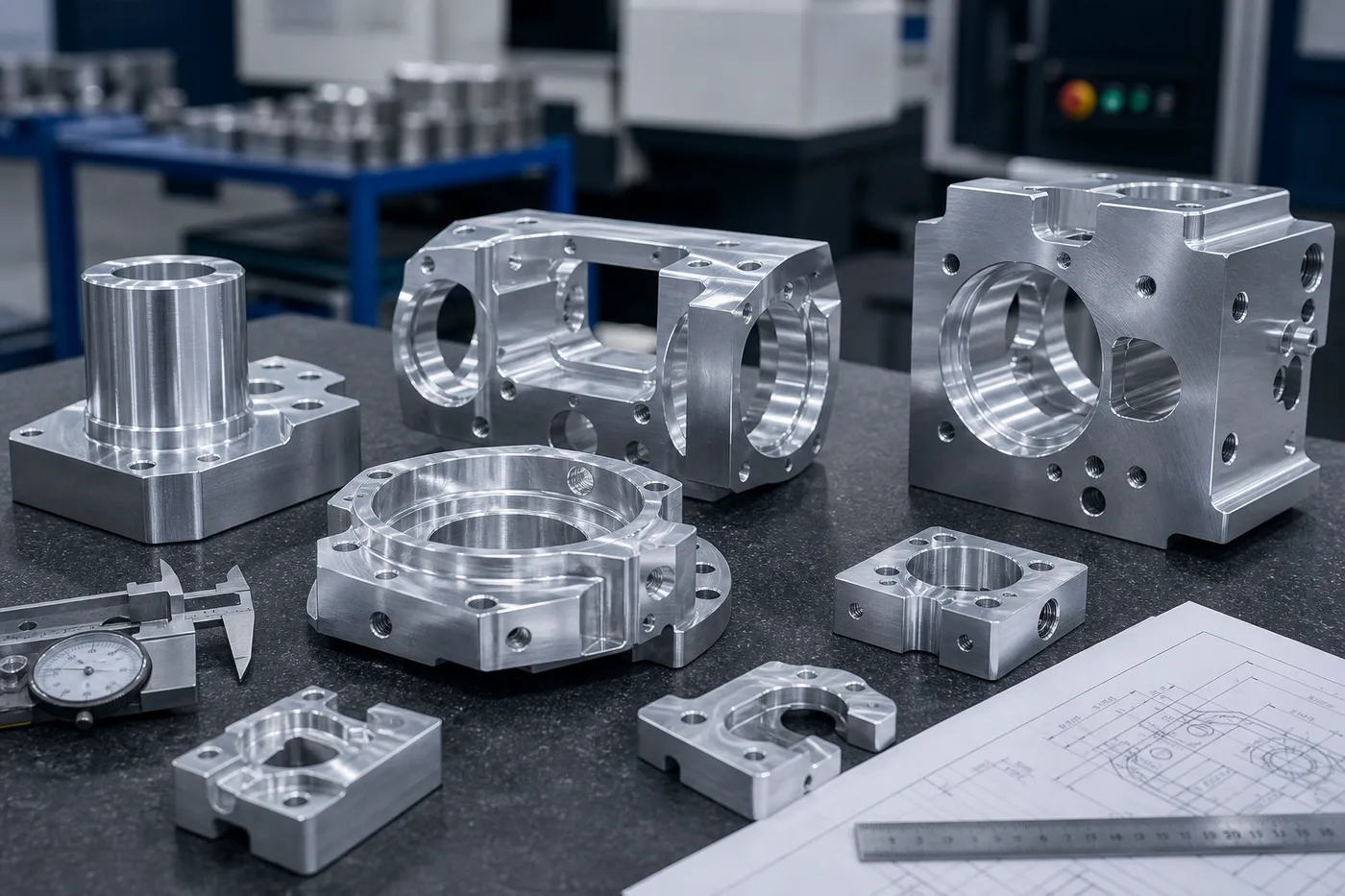
Engineering review and controlled sourcing for aluminum and stainless precision-part RFQs, from prototypes to repeat orders.
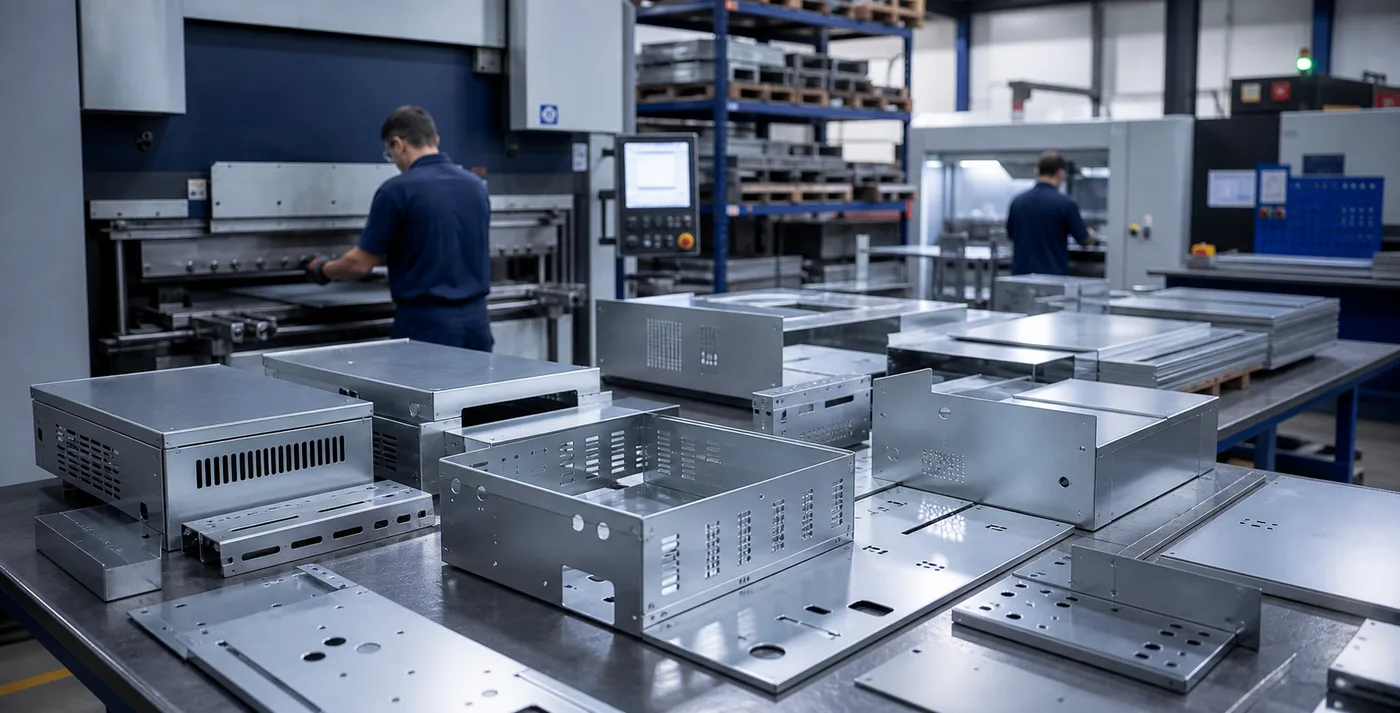
RFQ review and sourcing for enclosures, panels, brackets, covers, hardware, finishes, and welded assemblies.
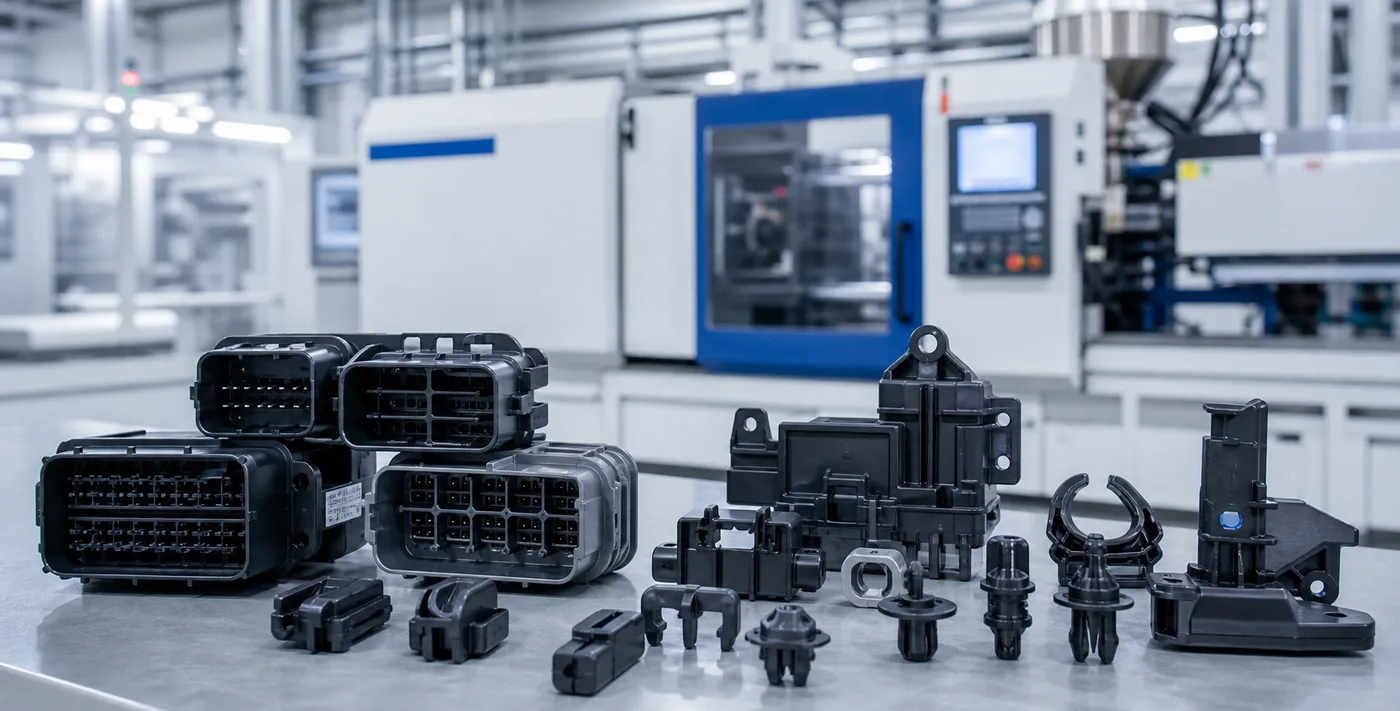
Tooling, sample, resin, quality, and supplier review for connectors, housings, clips, covers, and functional plastic parts.
Already know the process or part family? These related pages provide focused supplier guides for technical questions, quality risks, required files, and quotation inputs specific to that search.
Primary production programs
The right route depends on geometry, material, quantity, tolerance, surface finish, tooling budget, and delivery target. MakesHub starts with three repeatable programs, then uses an engineering review when a prototype or tooling-based secondary process is more suitable.
| Manufacturing process | Best fit | Common materials | Useful RFQ inputs |
|---|---|---|---|
| CNC machining | Precision metal or plastic parts, complex features, prototypes, fixtures, and low-volume production | Aluminum, stainless steel, brass, copper, POM, nylon | STEP/STP model, PDF drawing, critical tolerances, finish, quantity |
| Sheet metal fabrication | Enclosures, brackets, panels, covers, cabinets, and welded assemblies | Aluminum 5052, stainless steel, SPCC steel, copper | STEP model, DXF/DWG, thickness, bend notes, hardware, finish |
| Injection molding | Repeat plastic parts where tooling is justified by stable design and annual demand | ABS, PA66, PC, POM, PP and application-specific resins | 3D model, resin grade, color, texture, annual demand, sample plan |
Engineering-review route
Useful when prototype speed, complex geometry, or low-volume validation is more important than production-material equivalence.
Review route detailsEngineering-review route
Reviewed when annual demand, tooling economics, alloy, machining, finish, and supplier capacity support the program.
Review route detailsEngineering-review route
Reviewed for clips, contacts, terminals, and brackets when material strip, tooling, plating, volume, and tolerance are defined.
Review route detailsUnsure which process fits? Send the part function, target quantity, material preference, and available files. The review can compare viable routes and explain the tradeoffs before a firm quotation is prepared.
Upload Files for ReviewPrototype to production
A prototype quote and a production quote solve different problems. Clarifying the current stage helps avoid premature tooling, unsuitable materials, and quality requirements that do not match the purchasing goal.
Check geometry, fit, assembly, and functional risk before committing to production tooling.
Typical routes: CNC machining or 3D printing
Stabilize drawings, finishes, inspection points, packaging, and supplier communication.
Typical routes: CNC machining, sheet metal, or bridge tooling
Review tooling, sample approval, repeatability, capacity, annual demand, and cost targets.
Typical routes: molding, die casting, stamping, or repeat machining
Keep revision, quality, packaging, and commercial assumptions connected to the RFQ record.
Typical route: approved process with controlled revisions
Materials and finishes
Material choice affects strength, weight, corrosion resistance, thermal behavior, appearance, machining time, tooling, and total part cost. Specify an exact grade when it is mandatory; otherwise explain the application so practical alternatives can be compared during engineering review.
Corrosion resistance and controlled appearance for aluminum parts
Durable color finish for sheet metal enclosures and assemblies
Protective finish for steel stampings and hardware
Surface treatment for suitable stainless steel components
Quality control
Quality requirements should be visible in the drawing and RFQ, not discovered after parts are made. A useful review separates critical functional features from general tolerances and confirms the evidence required for acceptance.
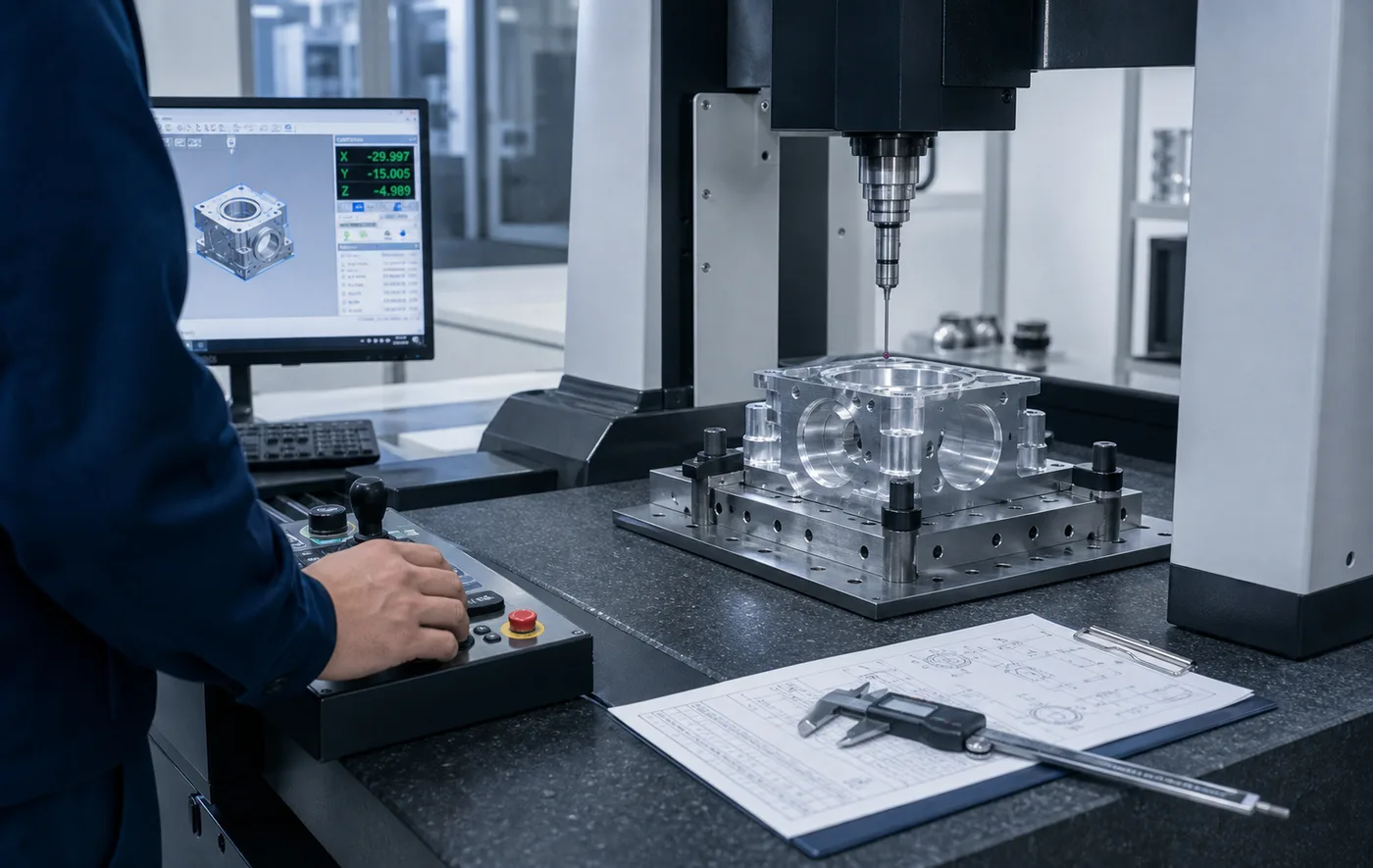
Final feasibility, tolerance, documentation, certification, lead time, and inspection scope are confirmed only after drawing and supplier capability review.
Industries
Industry context changes the part function, material priorities, documentation, inspection, and delivery risk. Use these pages to connect an application with suitable processes and better RFQ requirements.
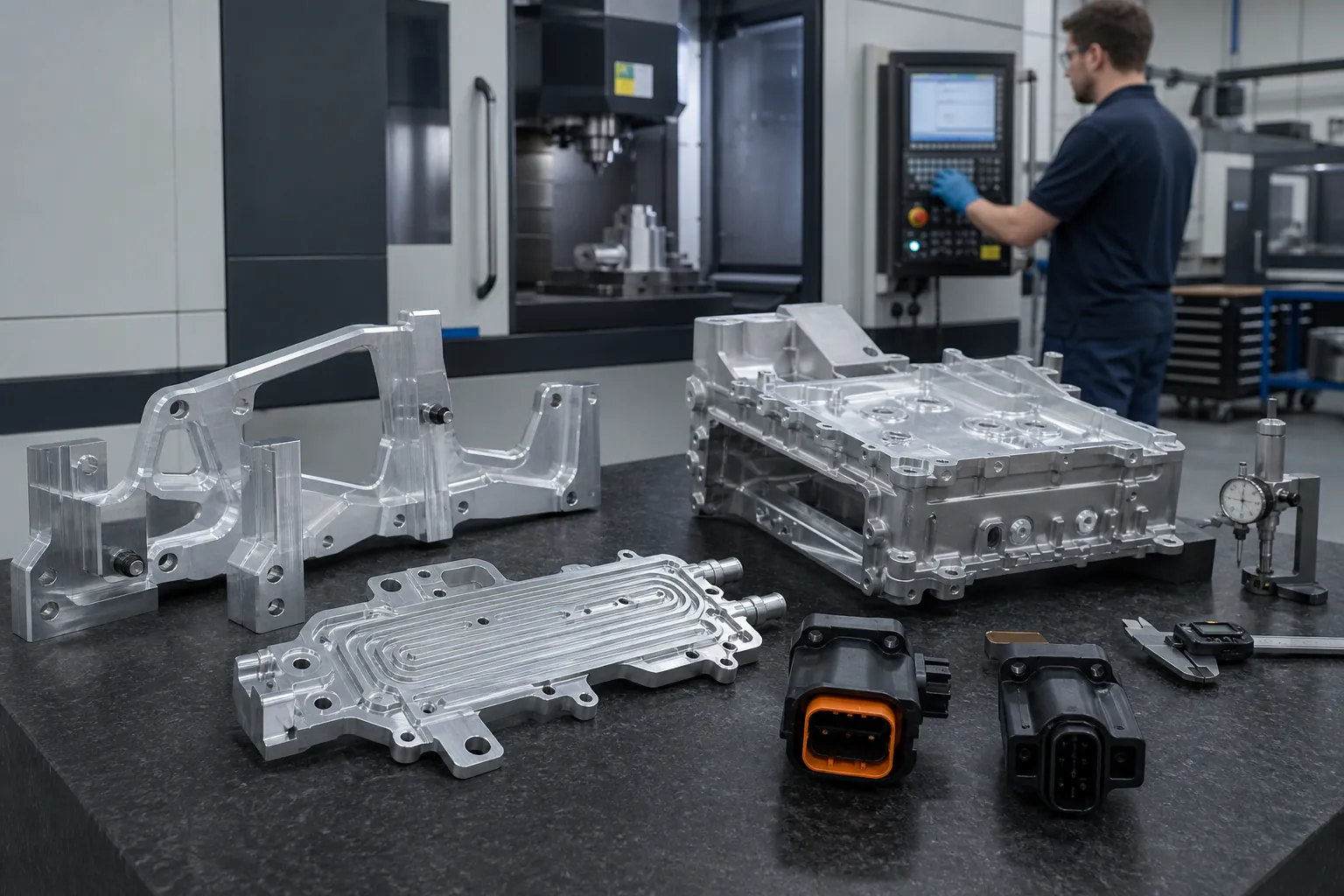
EV components, brackets, connectors, engine parts, and battery-related hardware.
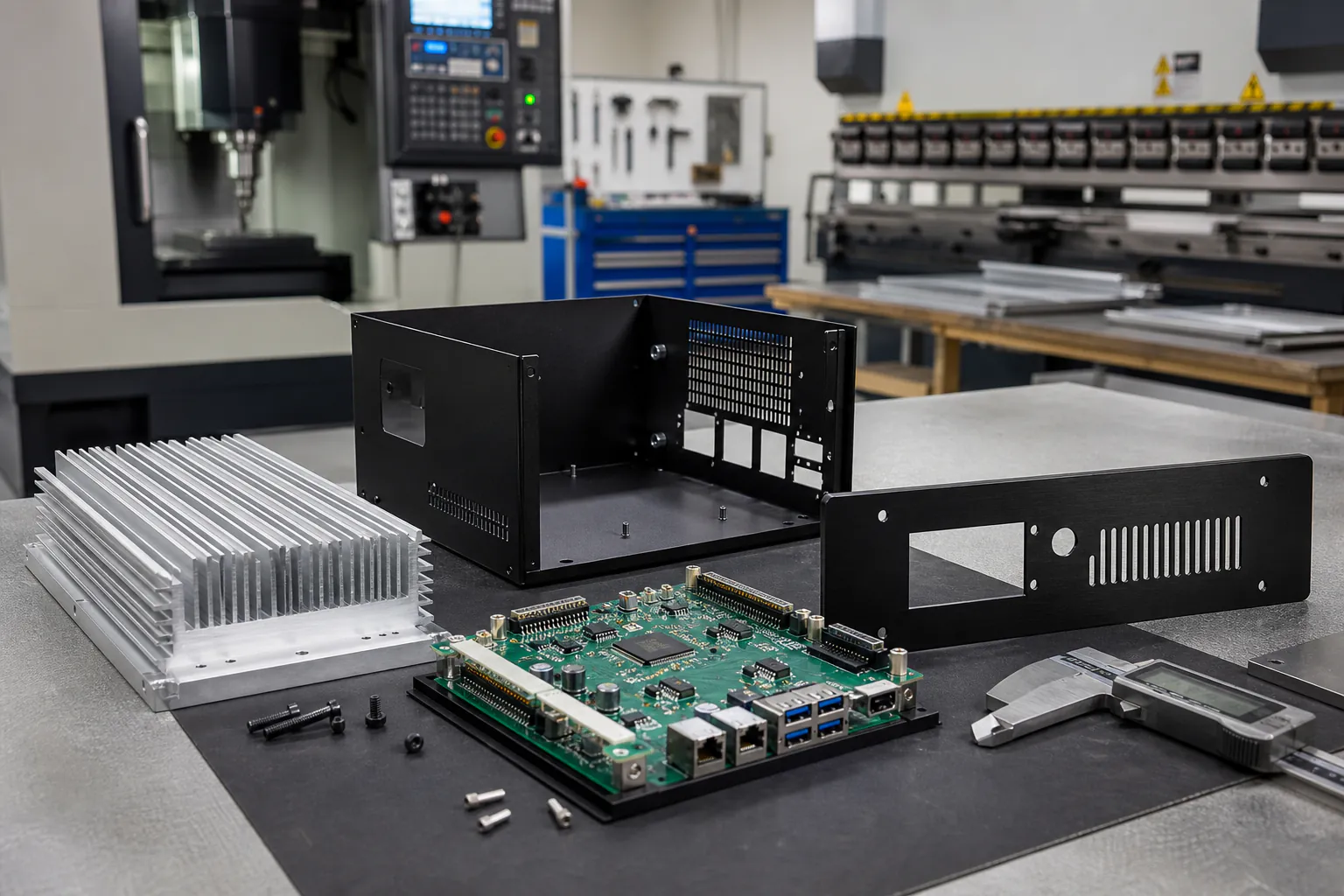
Heat sinks, enclosures, connector housings, panels, and precision mounting parts.
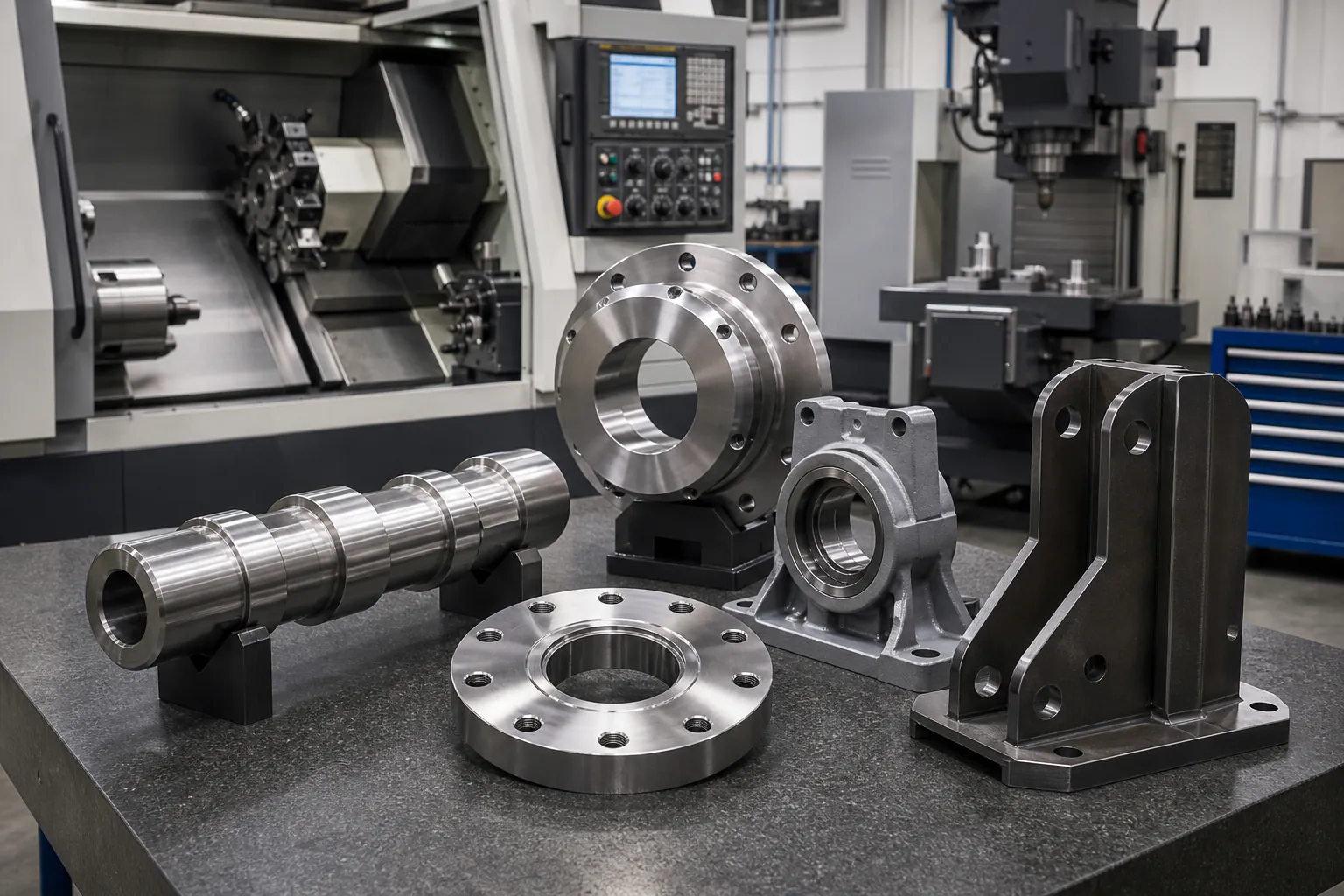
Machined shafts, mounting plates, brackets, fabricated housings, and controlled replacement-part RFQs.
Process
A structured RFQ keeps technical and commercial decisions visible from the first upload through engineering review, quotation, production, inspection, packaging, and export delivery.






Delivery is not the end of the project record.
Approved files, part configuration, quality requirements, quotation history, purchase orders, and delivery context remain available for revision checks and controlled repeat production.
Representative RFQ scenarios
These illustrative scenarios show how application, drawings, material, tolerance notes, quantity, finish, inspection, and delivery requirements should be organized before a supplier prepares a quotation. They are not verified customer orders or guaranteed results.
An illustrative RFQ scenario for machined aluminum brackets used in an EV-related assembly, covering drawing review, tolerance notes, and surface finish confirmation.
An illustrative RFQ scenario for custom electronics enclosures with DXF flat patterns, bend notes, hardware requirements, and powder coating expectations.
An illustrative RFQ scenario for molded connector components, covering material selection, tooling discussion, sample approval, and annual demand review.
Buyer questions
Clear answers help purchasing and engineering teams decide whether a project is ready for quotation and what information will reduce back-and-forth with a China manufacturing supplier.
MakesHub focuses first on CNC machined parts, sheet metal components, and injection molded plastics. Industrial 3D printing, die casting, metal stamping, tooling, and special processes remain engineering-review routes whose availability depends on the drawing, volume, supplier capability, quality scope, and commercial fit.
A STEP or STP model plus a PDF drawing is the strongest starting point for most custom parts. DXF or DWG files help with sheet metal, while STL files support 3D printing. Product photos, BOM files, and existing supplier specifications can provide additional context.
Include prototype quantity, expected production quantity, and annual demand. The review can then compare short-run processes with tooling-based or repeat-production options instead of assuming one route fits every stage.
No. Uploading files starts technical and commercial review. The review may identify missing information, viable processes, material alternatives, cost or lead-time drivers, and unresolved risks. Production requires a written quotation and a separate customer purchasing decision.
A supplier route must be checked against the required process, material, tolerance, quantity, inspection, documentation, capacity, delivery destination, and commercial assumptions before a firm quotation is issued. MakesHub does not present an unverified process listing as production approval.
Choose by part geometry, material, quantity, tolerance, surface finish, tooling budget, and intended use. CNC machining is often practical for precise low-volume parts, sheet metal for formed enclosures and brackets, molding for repeat plastic parts, and 3D printing for fast validation or complex low-volume geometry.
Major drivers include material, part size, geometry, setup or tooling, quantity, tolerance, surface finish, inspection scope, packaging, delivery country, and schedule. A complete drawing and clear purchasing requirements reduce assumptions and make supplier quotations easier to compare.
Mark critical dimensions, datum requirements, threads, fits, surface requirements, and requested inspection documents on the drawing or RFQ. The available inspection method, evidence, and documentation scope are confirmed during supplier capability review and written quotation.
Uploaded files remain connected to the RFQ record for quotation review. If your project requires an NDA or special access controls, contact sales before uploading sensitive information so the confidentiality requirements can be confirmed in writing.
Add the destination country, delivery target, part-protection needs, labels, carton requirements, and preferred shipping terms. Final packaging, freight method, Incoterms, responsibility, and delivery assumptions are documented in the quotation.
Signed-in customers can keep project, part, file revision, quotation, purchase-order, and delivery context together. A repeat order still confirms the current revision, quantity, material, finish, quality scope, supplier eligibility and capacity, price, and lead time before release.
Resources
Use practical guides to improve drawings, compare materials, define tolerances, prepare inspection requirements, and reduce quotation delays before contacting a custom parts supplier.
RFQ Preparation
Learn what CAD files, PDF drawings, tolerances, material notes, surface finish, quantity, and delivery details help sales review a custom manufacturing RFQ faster.
Process Selection
Compare CNC machining and injection molding for prototypes, production quantity, tooling cost, material choice, tolerance, and custom part quoting.
Materials
Understand how aluminum, stainless steel, PA66, ABS, and other materials affect machining, molding, finishing, tolerance, and RFQ review.
Industry RFQ
A practical RFQ checklist for automotive components, EV parts, connectors, brackets, drawings, material, annual demand, certification, and target price.
Upload CAD drawings, quantities, materials, tolerances, finishes, inspection needs, and delivery requirements. The next step is an engineer-reviewed quotation with visible assumptions and unresolved questions.
Upload Files for Review