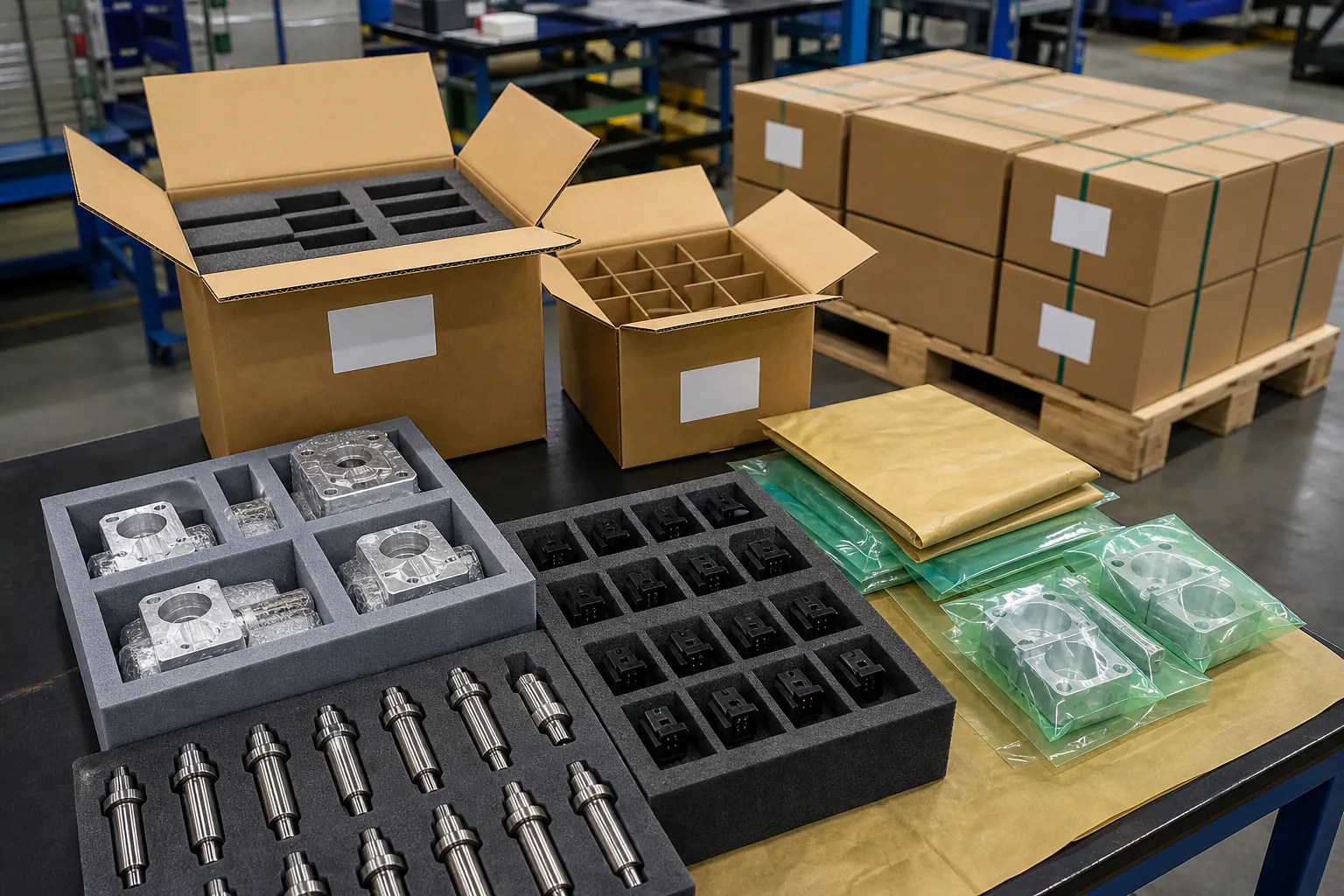
Start from the part family
If the buyer knows the part type, start from product pages such as heat sinks, brackets, shafts, clips, housings, or connectors.
Products
Aluminum CNC parts, sheet metal enclosures, and injection molded plastics are the primary commercial programs. Other product families remain available for engineering and supplier feasibility review.
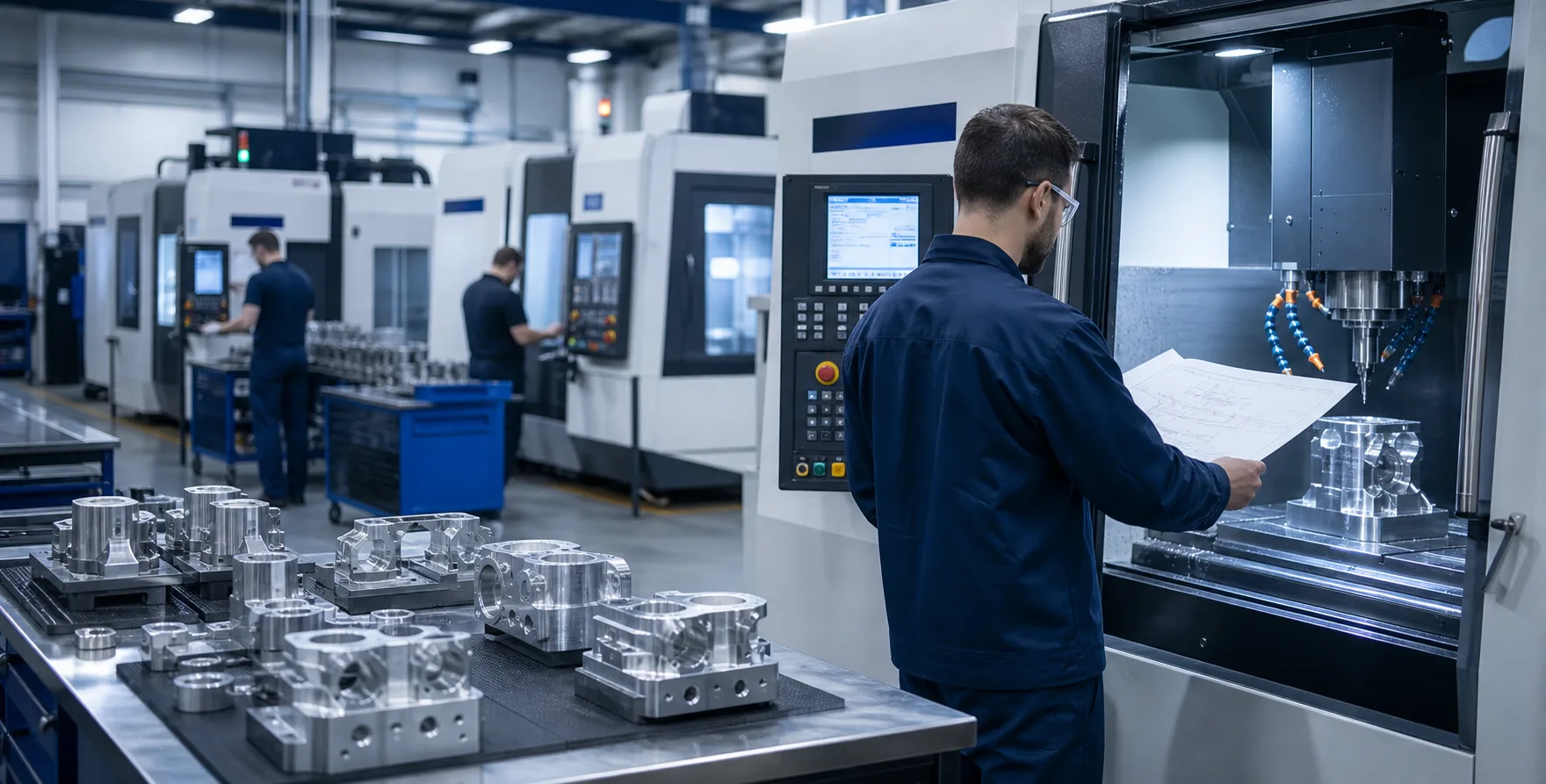
Explore related options
This section helps buyers start from a part type, understand likely manufacturing routes, and upload drawings or product photos for quote review.
Upload Files for QuoteStart from the part type: CNC parts, molded plastic parts, enclosures, brackets, connectors, or custom components.
Each product page connects the part to the likely process, material, finish, tolerance, and inspection requirements.
When the part looks relevant, upload CAD drawings, product photos, BOM files, and quantity for structured quote review.
Core product programs
Use these pages to prepare drawings, materials, quantities, tolerances, finishes, inspection requirements, packaging, and delivery information before quotation.
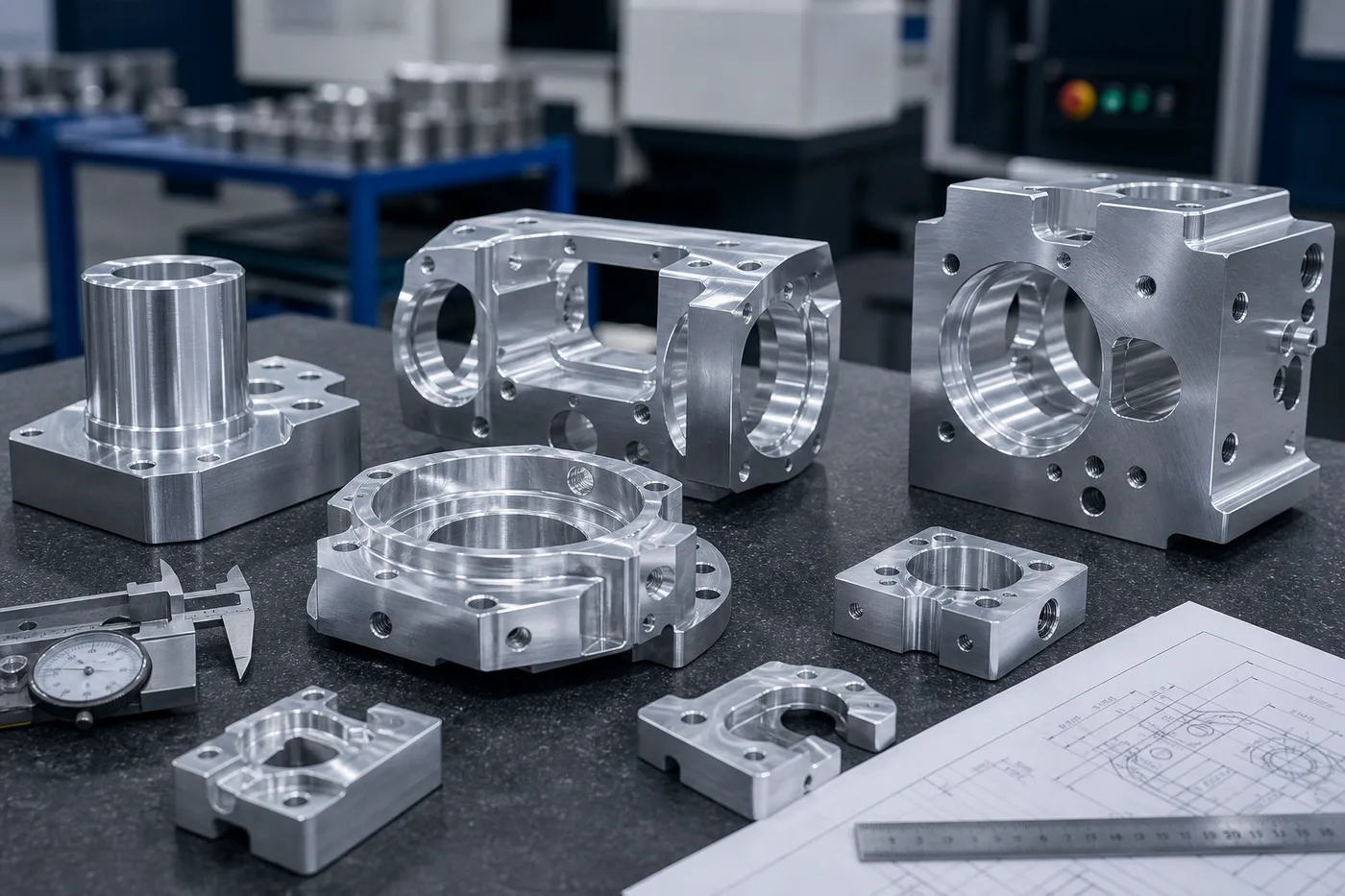
Use this guide to prepare aluminum CNC part RFQs for prototypes, low-volume builds, and export projects that require controlled dimensions and surface finishes.
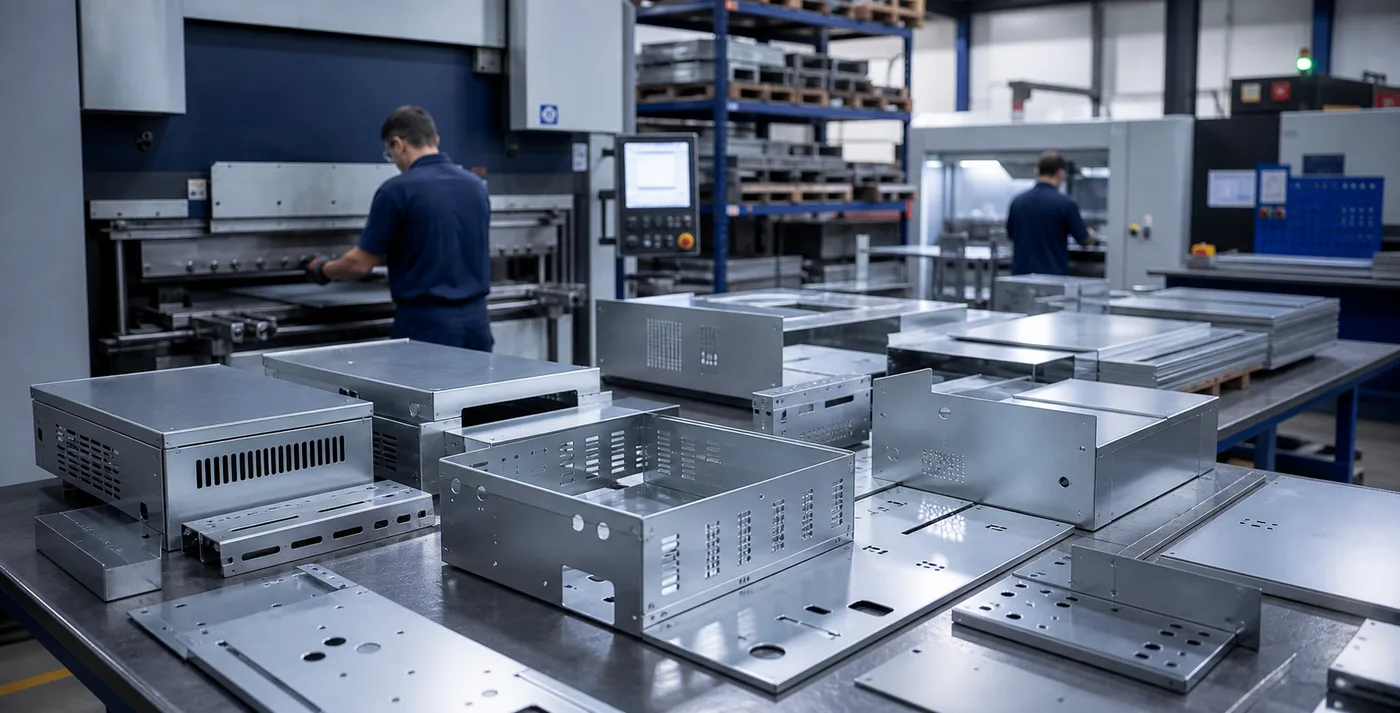
Use this guide to prepare custom enclosure RFQs covering cutting, bending, joining, hardware, finishing, inspection, and export packaging.
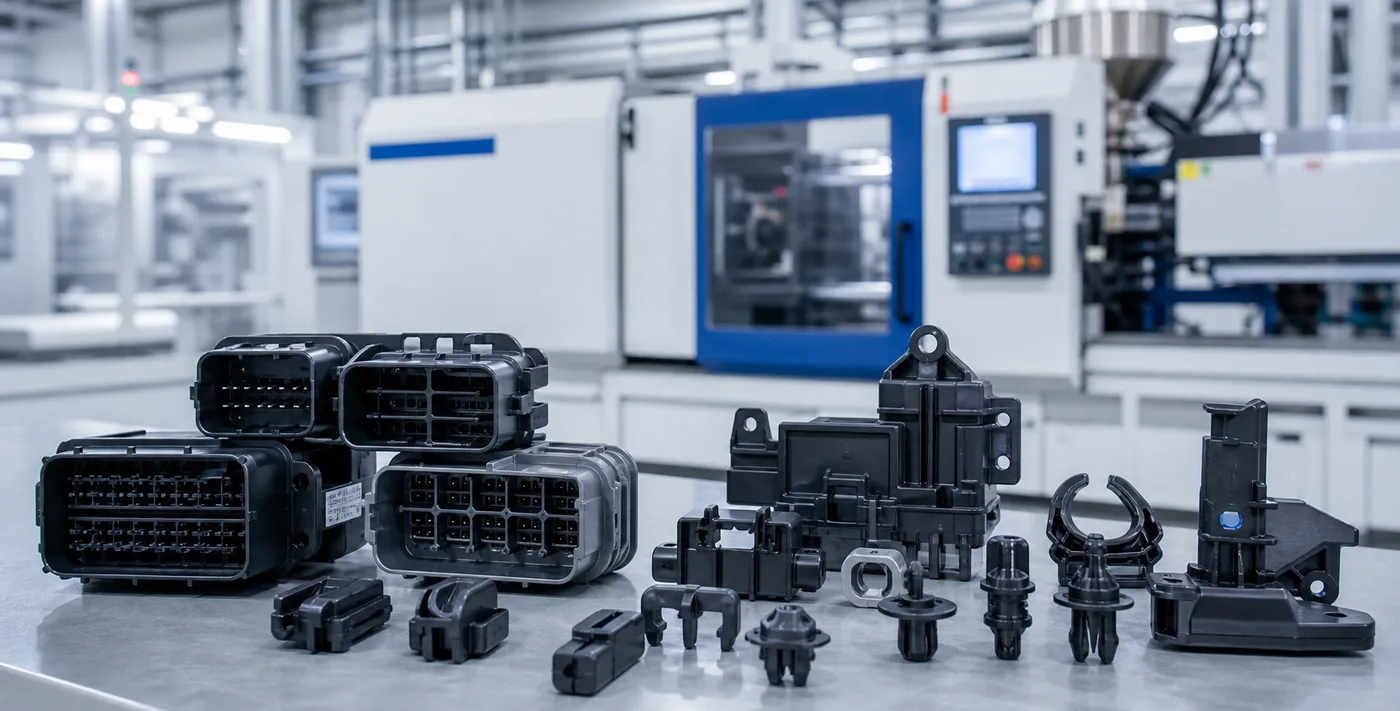
Use this guide to evaluate injection-molded plastic parts that need controlled tooling, approved samples, named resin grades, and repeat-production planning.
Additional product families
These pages help describe the RFQ, but a firm production offer still depends on the actual design, process, supplier evidence, quality scope, quantity, cost, and delivery target.
Die cast aluminum parts are useful for buyers who need repeatable metal components, stable production volume, tooling review, and clean finished surfaces.
Firm availability after review
Metal stamped parts support high-volume sheet metal components where tooling, material strip, tolerance, plating, and repeat production planning matter.
Firm availability after review
Injection molds are required when buyers need repeat plastic parts with stable design, sample approval, material selection, tooling cost, and production quotation.
Firm availability after review
Custom heat sinks support electronics, telecommunications, power equipment, and industrial devices that need thermal performance, precise mounting, and reliable finishing.
Firm availability after review
Precision brackets are used when buyers need reliable mounting, alignment, load support, repeatable holes, and controlled surface finish.
Firm availability after review
Machined shafts are custom turned components where diameter tolerance, concentricity, material strength, surface finish, and repeatability matter.
Firm availability after review
Plastic housings are usually molded parts that need material selection, wall thickness review, cosmetic surfaces, assembly features, and tooling planning.
Firm availability after review
Metal clips are repeat sheet metal parts where material spring behavior, stamping tooling, plating, dimensions, and packaging need careful review.
Firm availability after review
Custom connectors often combine injection molded plastic bodies, stamped terminals, precision inserts, material requirements, and assembly details.
Firm availability after review
Medical device components for buyers who need precision parts, clean functional surfaces, material clarity, documentation notes, and careful RFQ review.
Firm availability after review
Electronics enclosures for buyers who need protection, mounting, heat management, assembly fit, finish control, and export packaging.
Firm availability after review
Robotics components for projects that need alignment, repeatability, lightweight metal parts, machined shafts, brackets, housings, and inspection planning.
Firm availability after review
Stainless steel turned parts for buyers who need round precision components, threads, grooves, corrosion resistance, and stable dimensional control.
Firm availability after review
Die cast housings for buyers who need repeatable aluminum parts, tooling review, secondary machining, finishing, and production volume planning.
Firm availability after review
Cable management clips for buyers who need plastic or metal fastening parts, automotive harness support, outdoor mounting, and repeat production review.
Firm availability after review
High-intent product paths
These product pages match how buyers search when they already know the part family but still need process, material, finish, tolerance, and quotation guidance.
For aluminum thermal parts, CNC machined heat sinks, telecom equipment, and electronics cooling RFQs.
For CNC machined or sheet metal brackets where hole location, mounting fit, and finish matter.
For molded connector bodies, stamped terminals, brass inserts, PA66 materials, and automotive applications.
Direct answer
Compare related products, processes, materials, and industries before uploading files. Use the project requirements, supported files, RFQ checklist, and cost and lead-time drivers below to choose the most useful next step.
Which part, process, material, or industry page should I open first?
Compare geometry, material, quantity, tolerance, finish, and production stage.
CAD files, drawings, product photos, BOM files, quantity, target price, and delivery country.
Process route, material availability, tooling or setup, finish, inspection, packaging, and annual demand.
Project decision checkpoint
Compare the available options, identify what affects price or lead time, and prepare the details needed before sales and engineering can provide a useful quotation.
If the buyer knows the part type, start from product pages such as heat sinks, brackets, shafts, clips, housings, or connectors.
Each product page connects the part to CNC machining, turning, sheet metal fabrication, stamping, die casting, or injection molding.
Material grade, surface treatment, cosmetic requirements, and corrosion resistance should be clear before sales reviews the RFQ.
The fastest path is to upload CAD files, PDF drawings, product photos, or existing supplier specifications.
You know the part family, process, material, industry, or application and need a practical sourcing path.
The part is early-stage, the material is uncertain, or quantity may require tooling instead of prototype production.
Missing drawings, unclear material, no quantity, no finish requirement, and no delivery target usually delay quote review.
Files stay connected to the RFQ workflow.
Sales checks process, material, tolerance, and quantity.
Critical dimensions, finish, and packaging are reviewed.
Delivery country, lead time, and packaging are captured.
Buyers can compare examples before sending files.
Upload CAD drawings, quantities, materials, tolerances, finishes, inspection needs, and delivery requirements. The next step is an engineer-reviewed quotation with visible assumptions and unresolved questions.
Upload Files for Review