Material compatibility
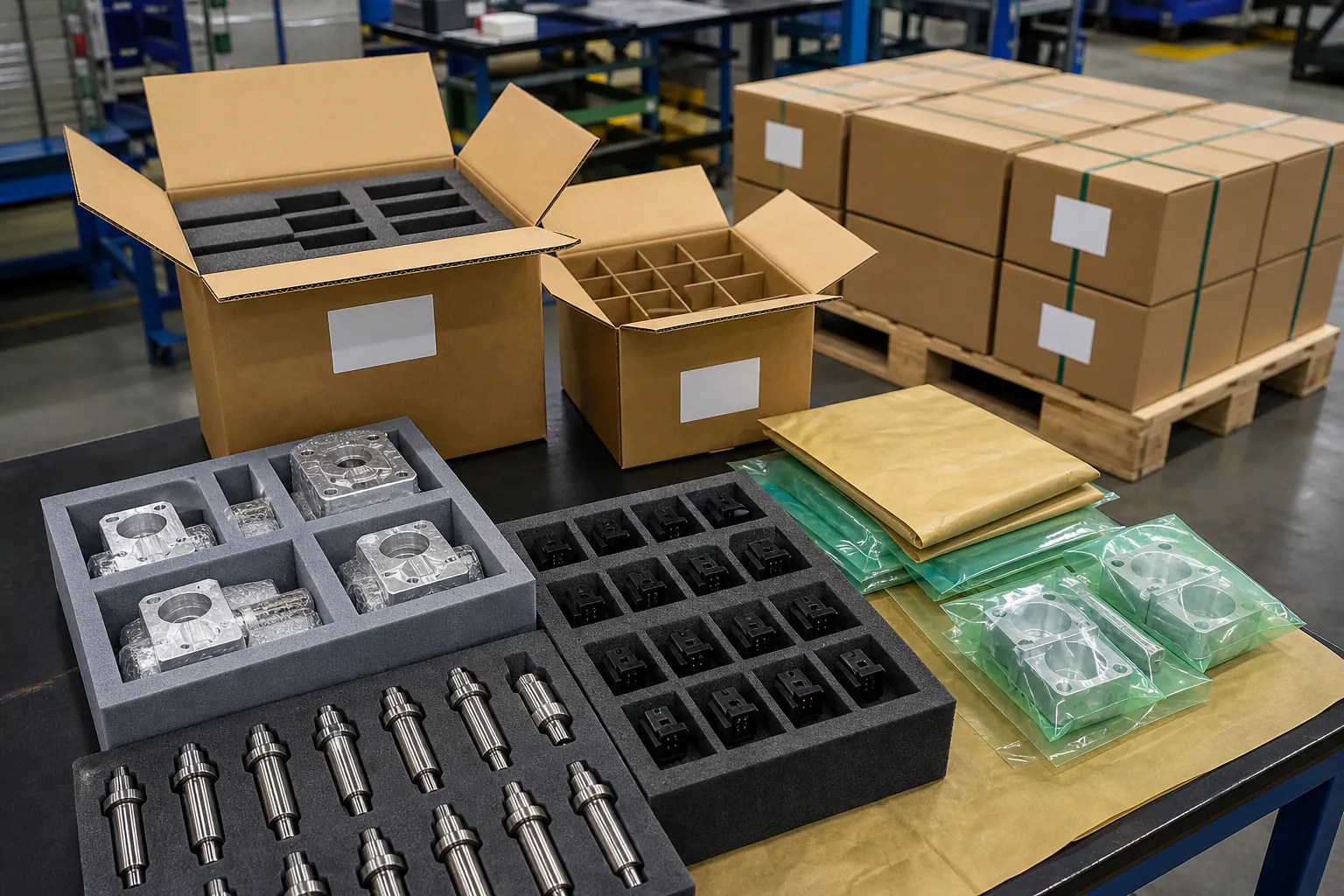
Aluminum often uses anodizing or bead blasting. Steel may use zinc plating or powder coating. Stainless steel may use passivation or polishing.
Surface Finishes
Surface finish affects cost, lead time, appearance, corrosion resistance, inspection, and packaging. Add finish requirements to the RFQ so sales can review the project correctly.
Upload Files for Quote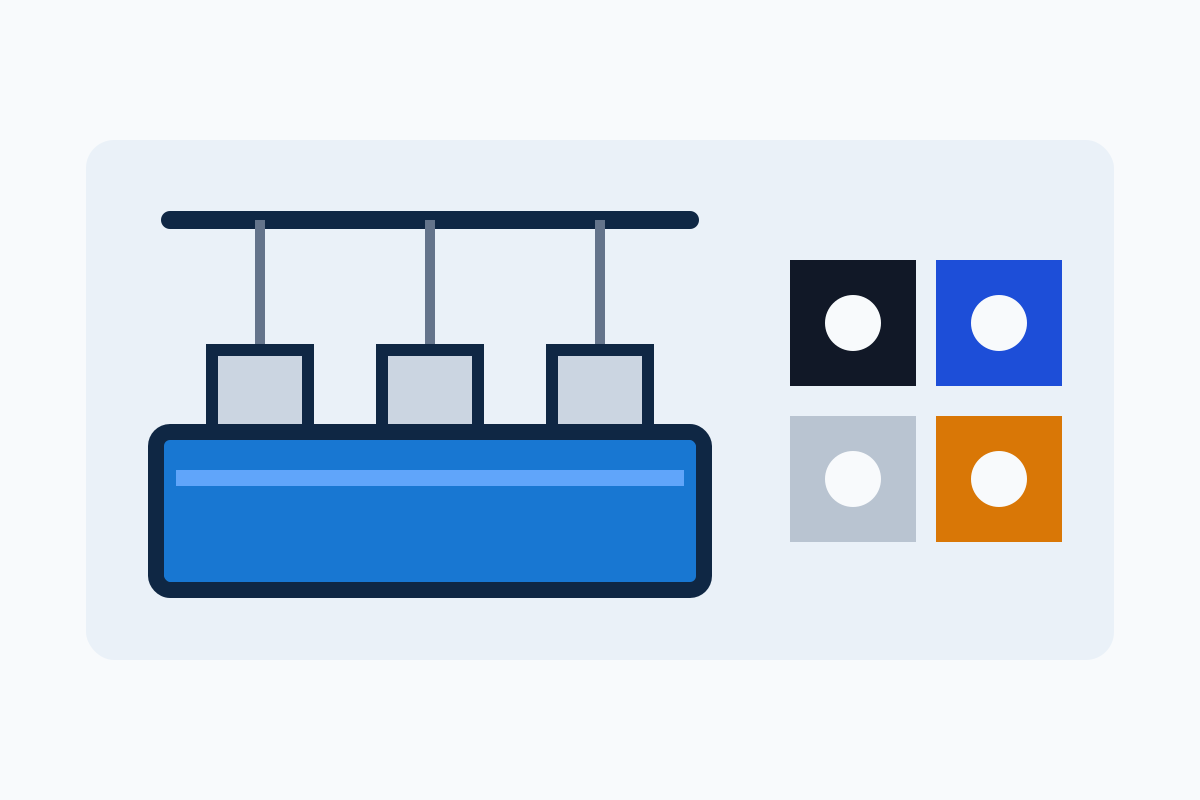
Anodizing is a common finish for aluminum CNC parts when buyers need corrosion resistance, improved appearance, color options, or surface protection.
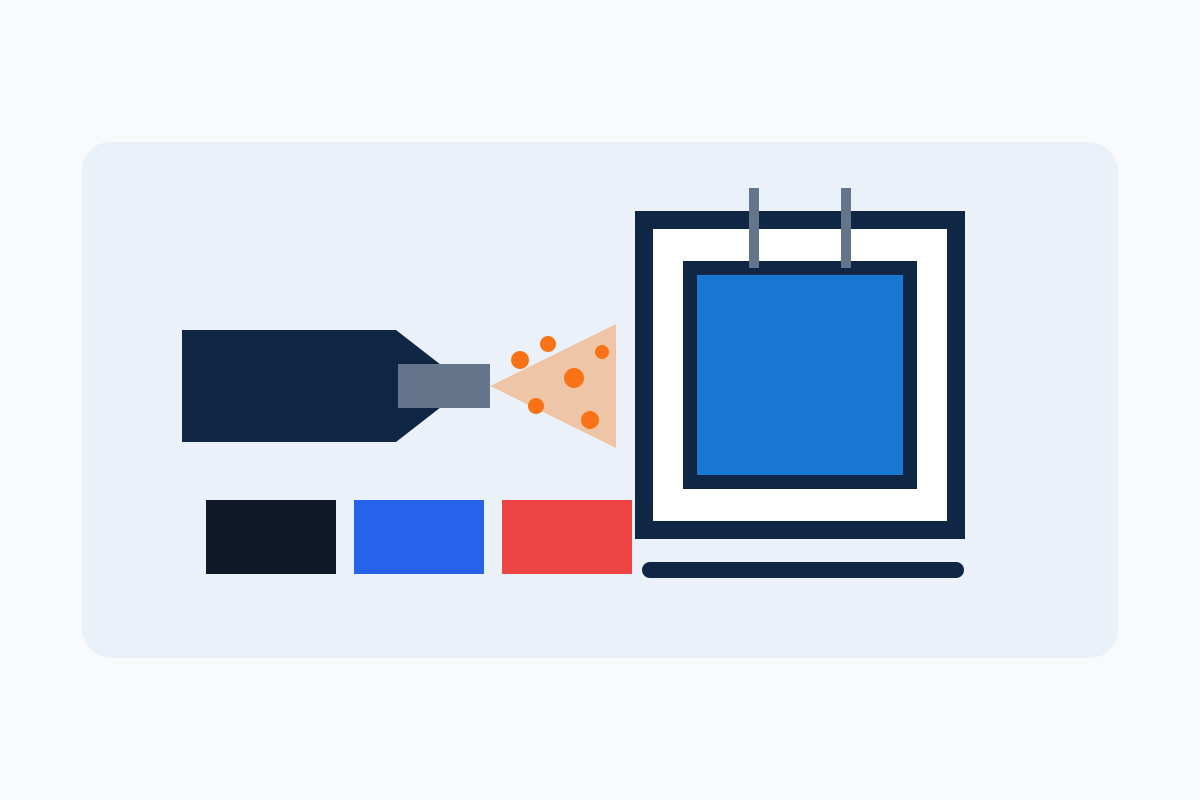
Powder coating is used for sheet metal and fabricated parts that need durable color, surface protection, and a clean industrial appearance.
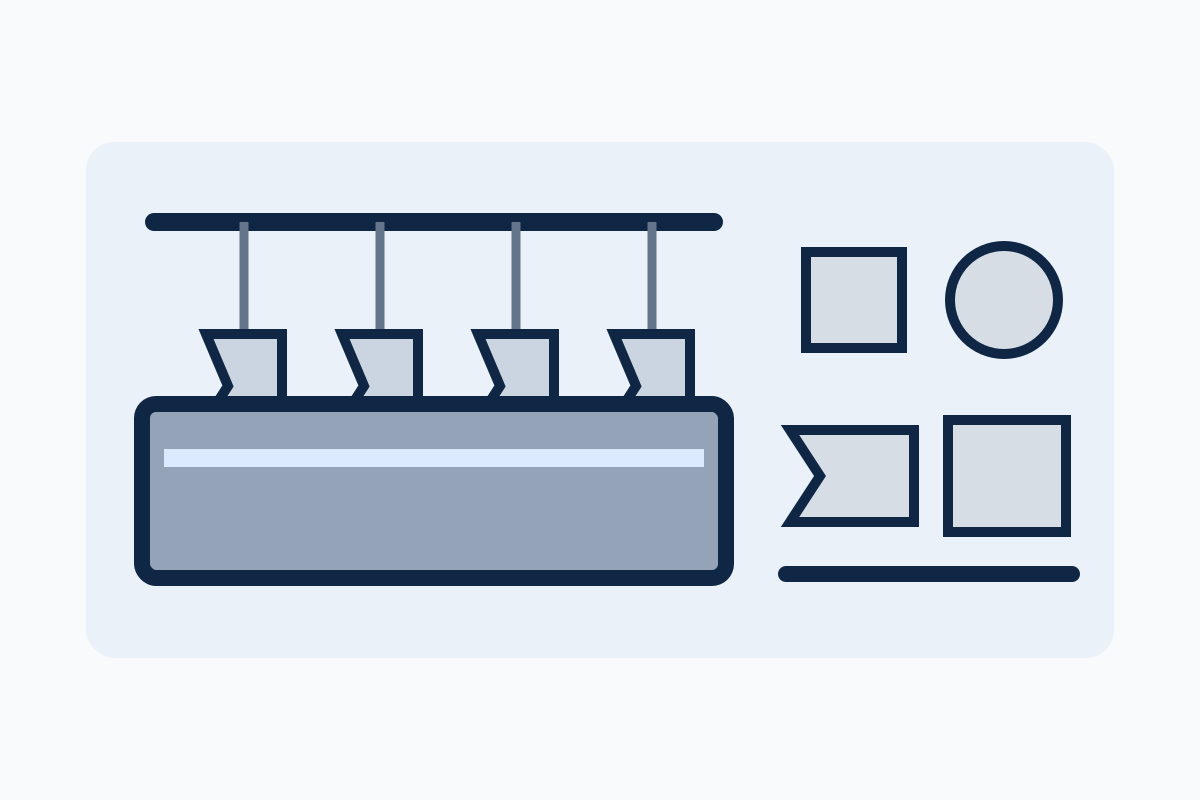
Zinc plating is often used for stamped parts, brackets, clips, fasteners, and hardware that need corrosion protection and repeat production planning.
Passivation is used for stainless steel parts when buyers need improved corrosion resistance and cleaner surface condition after machining or fabrication.
Bead blasting creates a matte surface appearance on machined parts and is often combined with anodizing or other finishing requirements.
Polishing is used for visible metal parts where buyers need smoother surfaces, improved appearance, or reduced roughness.
Finish selection
Surface finish requirements should be included before quotation because they affect masking, tolerance, lead time, packaging, inspection, corrosion resistance, and final appearance.
For aluminum CNC parts, heat sinks, housings, brackets, corrosion resistance, color options, and cosmetic surfaces.
For sheet metal enclosures, covers, outdoor brackets, panels, industrial equipment parts, and durable color finishes.
For stainless steel 304 and 316 parts, medical-style components, marine hardware, and corrosion-resistant applications.
Direct answer
Compare related products, processes, materials, and industries before uploading files. Use the project requirements, supported files, RFQ checklist, and cost and lead-time drivers below to choose the most useful next step.
Which part, process, material, or industry page should I open first?
Compare geometry, material, quantity, tolerance, finish, and production stage.
CAD files, drawings, product photos, BOM files, quantity, target price, and delivery country.
Process route, material availability, tooling or setup, finish, inspection, packaging, and annual demand.
Project decision checkpoint
Compare the available options, identify what affects price or lead time, and prepare the details needed before sales and engineering can provide a useful quotation.
Aluminum often uses anodizing or bead blasting. Steel may use zinc plating or powder coating. Stainless steel may use passivation or polishing.
Corrosion resistance, wear resistance, outdoor exposure, electrical contact, sealing faces, and assembly fit affect finish selection.
Color, texture, gloss, visible faces, surface roughness, and packaging protection should be explained clearly.
Coating thickness, plating buildup, anodizing color, and masking areas can affect holes, threads, fits, and inspection results.
You know the part family, process, material, industry, or application and need a practical sourcing path.
The part is early-stage, the material is uncertain, or quantity may require tooling instead of prototype production.
Missing drawings, unclear material, no quantity, no finish requirement, and no delivery target usually delay quote review.
Files stay connected to the RFQ workflow.
Sales checks process, material, tolerance, and quantity.
Critical dimensions, finish, and packaging are reviewed.
Delivery country, lead time, and packaging are captured.
Buyers can compare examples before sending files.
Upload CAD drawings, quantities, materials, tolerances, finishes, inspection needs, and delivery requirements. The next step is an engineer-reviewed quotation with visible assumptions and unresolved questions.
Upload Files for Review