
Materials
How Material Choice Affects Custom Part Cost and Lead Time
Understand how aluminum, stainless steel, PA66, ABS, and other materials affect machining, molding, finishing, tolerance, and RFQ review.
Material affects process fit
A material must match the manufacturing process and application. Aluminum 6061 is common for CNC machined parts, stainless steel works for strength and corrosion needs, and PA66 is widely used for molded connectors and clips.
- Aluminum 6061 for CNC parts
- Stainless steel 304 for corrosion resistance
- PA66 for durable molded parts
- ABS or PC for housings
Material also affects finish and inspection
Surface finish, color, plating, anodizing, powder coating, and dimensional stability should be clarified before quote review because they influence production planning and cost.
- Anodizing
- Powder coating
- Polishing
- Material certification
FAQ
Should I specify exact material grade?
Yes. Exact grade helps avoid wrong assumptions during quotation and production review.
Can the supplier recommend materials?
Yes. If you describe the application, load, environment, and finish, engineering can suggest practical options.
Visual manufacturing path
How Material Choice Affects Custom Part Cost and Lead Time: from files to application
Use the image chain to understand how drawings become a reviewed process, an application-ready part, an inspection plan, and protected delivery.

Engineering Review
Review CAD, dimensions, material, tolerance, finish, and missing quotation inputs.
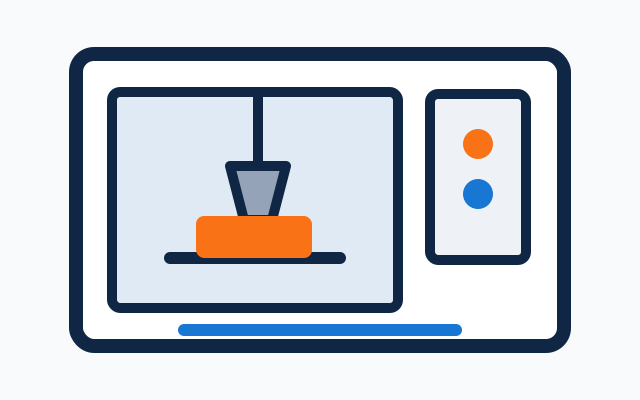
Manufacturing Process
Connect the approved requirement to a practical machining, fabrication, molding, casting, stamping, or printing route.
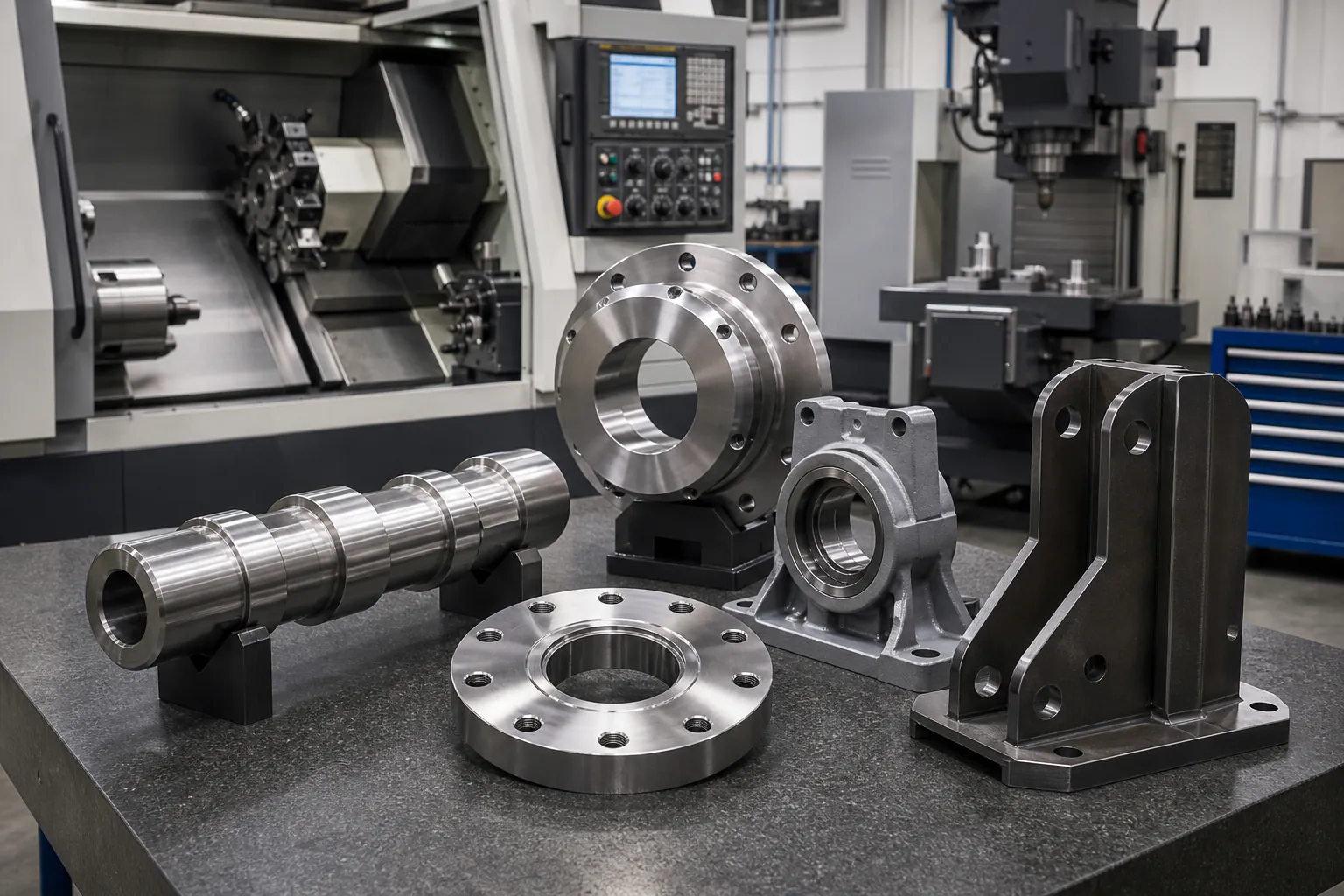
Application Context
Connect custom shafts, flanges, housings, and brackets to industrial equipment and OEM assembly requirements.
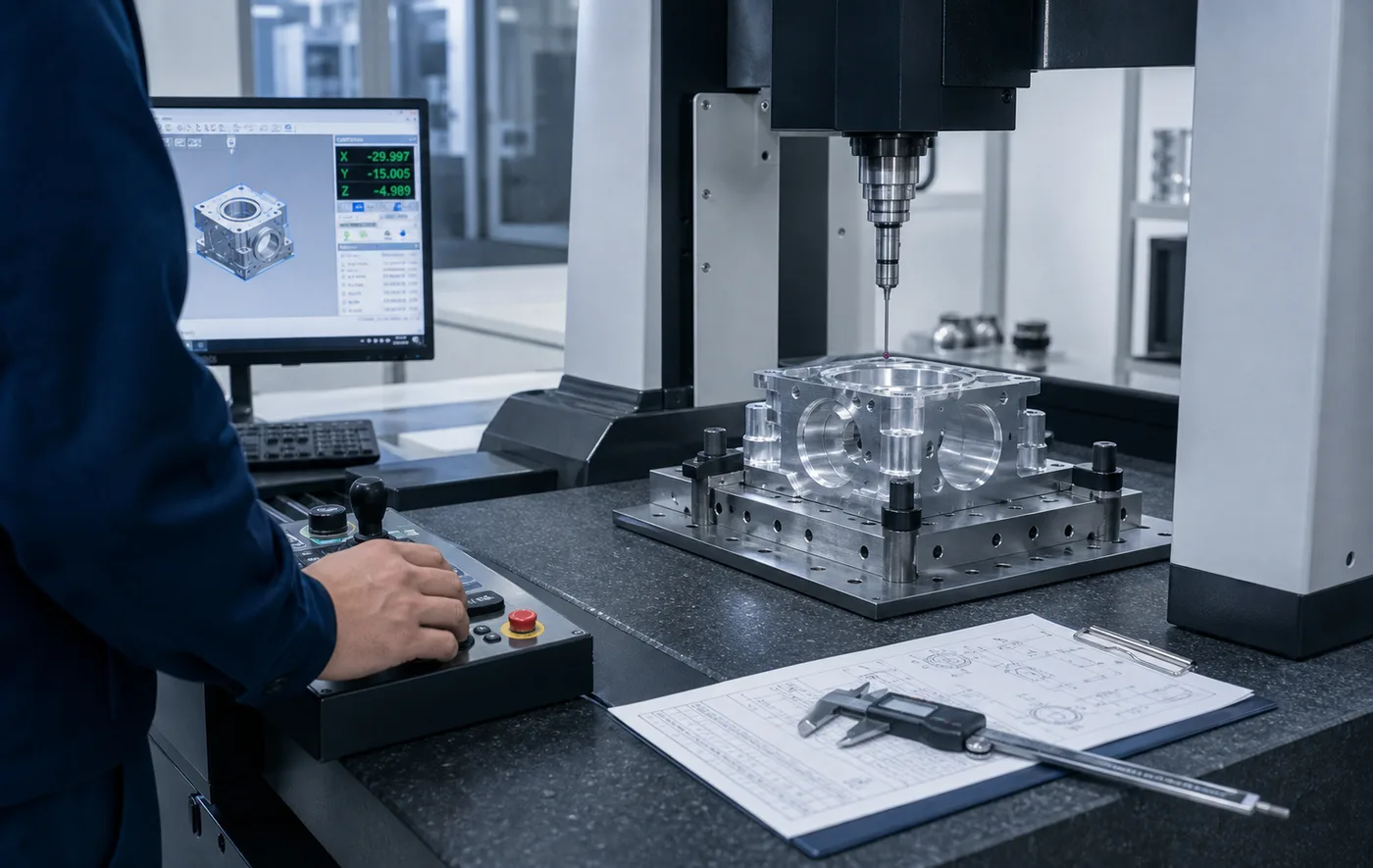
Quality Detail
Plan dimensional inspection, critical features, surface checks, and supporting documentation.
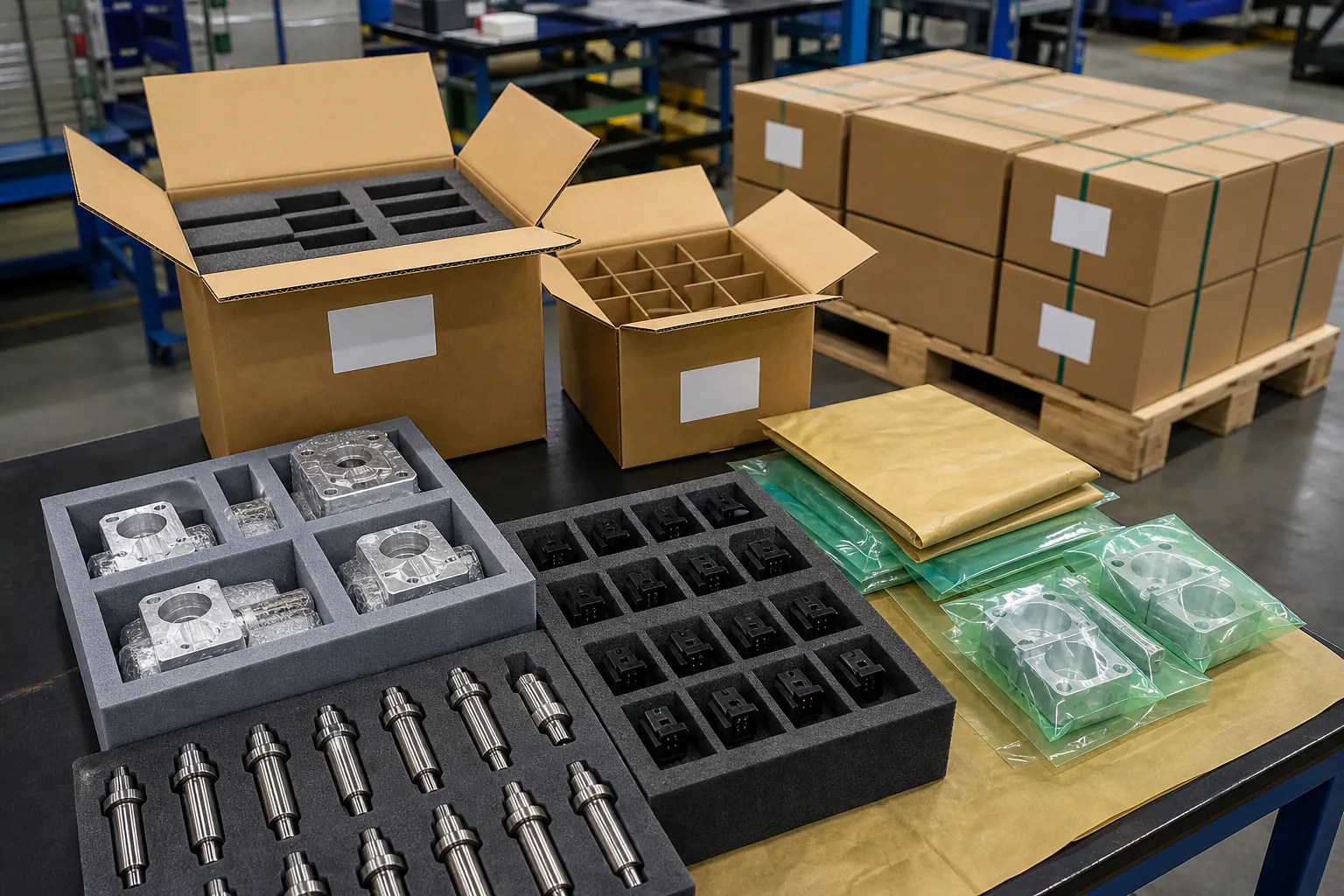
Protected Delivery
Separate finished parts, protect surfaces and metal, label batches, and prepare export packaging.
Ready to turn this guidance into an RFQ?
Upload drawings, product photos, material notes, quantity, tolerance, finish, and delivery requirements so sales can review your manufacturing quote.
Start RFQ