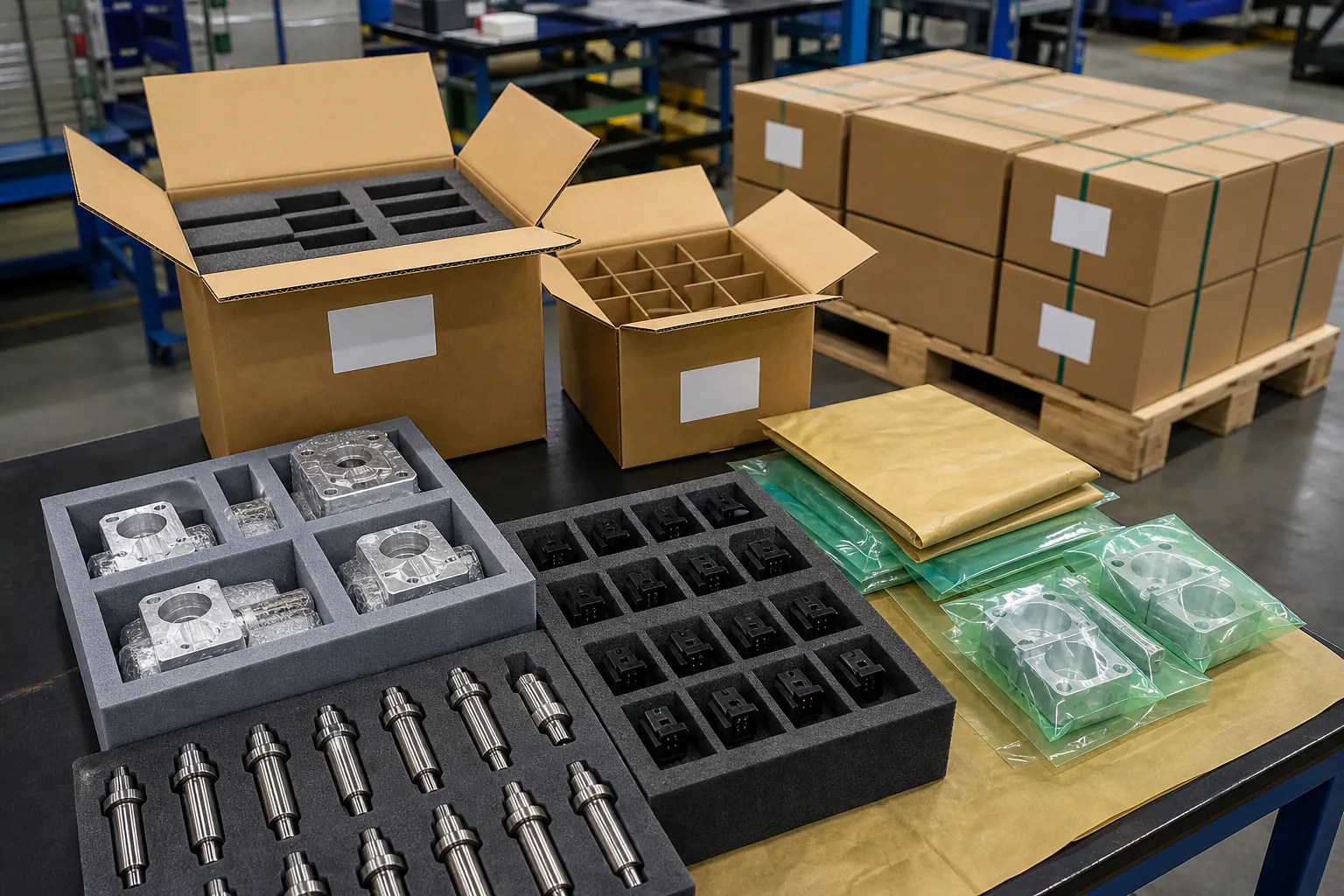
Engineering Review
Review CAD, dimensions, material, tolerance, finish, and missing quotation inputs.
Manufacturing Capability
Metal stamping supports repeat sheet metal parts where tooling, material strip, thickness, tolerance, plating, packaging, and annual demand need early quote review.

Page intent
Choose the right manufacturing process before uploading files
Quote input
CAD, PDF, photo, BOM, quantity, material, finish, tolerance
Review path
Sales intake, engineering review, quote factors, follow-up task
Quality proof
Tolerance notes, inspection plan, critical dimensions, packaging risk
Delivery scope
Prototype, sample, low-volume, production, export delivery
Review the process, material, inspection plan, and export delivery requirements before sending drawings.
Direct answer
Metal Stamping is selected by matching geometry, material, tolerance, quantity, finish, and production stage to the strengths and limits of the process. Compare alternatives when tooling, setup, surface quality, or production volume changes the most economical route.
Stamping is suitable for repeat metal components such as clips, terminals, contacts, shields, brackets, plates, and functional hardware.
Stamping RFQs should clarify material, thickness, tolerance, annual demand, tooling expectations, plating, deburring, and packaging.
High-volume stamping projects need clear commercial assumptions before tooling, sample approval, and production planning.
Buyer decision path
Move from an early requirement to a sourcing decision: confirm whether the part or process fits, identify the details that drive quote accuracy, and prepare the information needed for engineering review.
Start from CAD, PDF drawings, product photos, or sample specifications.
Confirm whether Metal Stamping is the right manufacturing route for the part.
Clarify material, tolerance, finish, inspection, and batch quantity.
Turn the project into a trackable RFQ, sales follow-up, and quotation.
Prototype to production
Buyers often need more than a price. This path explains how a project can move from early files to sample approval, low-volume build, production, quality inspection, and delivery without forcing a purchase decision too early.
Use early drawings, photos, or samples to check whether Metal Stamping is feasible.
Confirm material, finish, tolerance, inspection notes, and packaging before scaling.
Validate production route, lead time, quote drivers, and repeatable quality control.
Move approved parts into batch production, inspection reporting, and export delivery.
Visual manufacturing path
Use the image chain to understand how drawings become a reviewed process, an application-ready part, an inspection plan, and protected delivery.
Review CAD, dimensions, material, tolerance, finish, and missing quotation inputs.
Connect coil or sheet input to controlled tooling, forming stages, burr requirements, and repeat inspection.
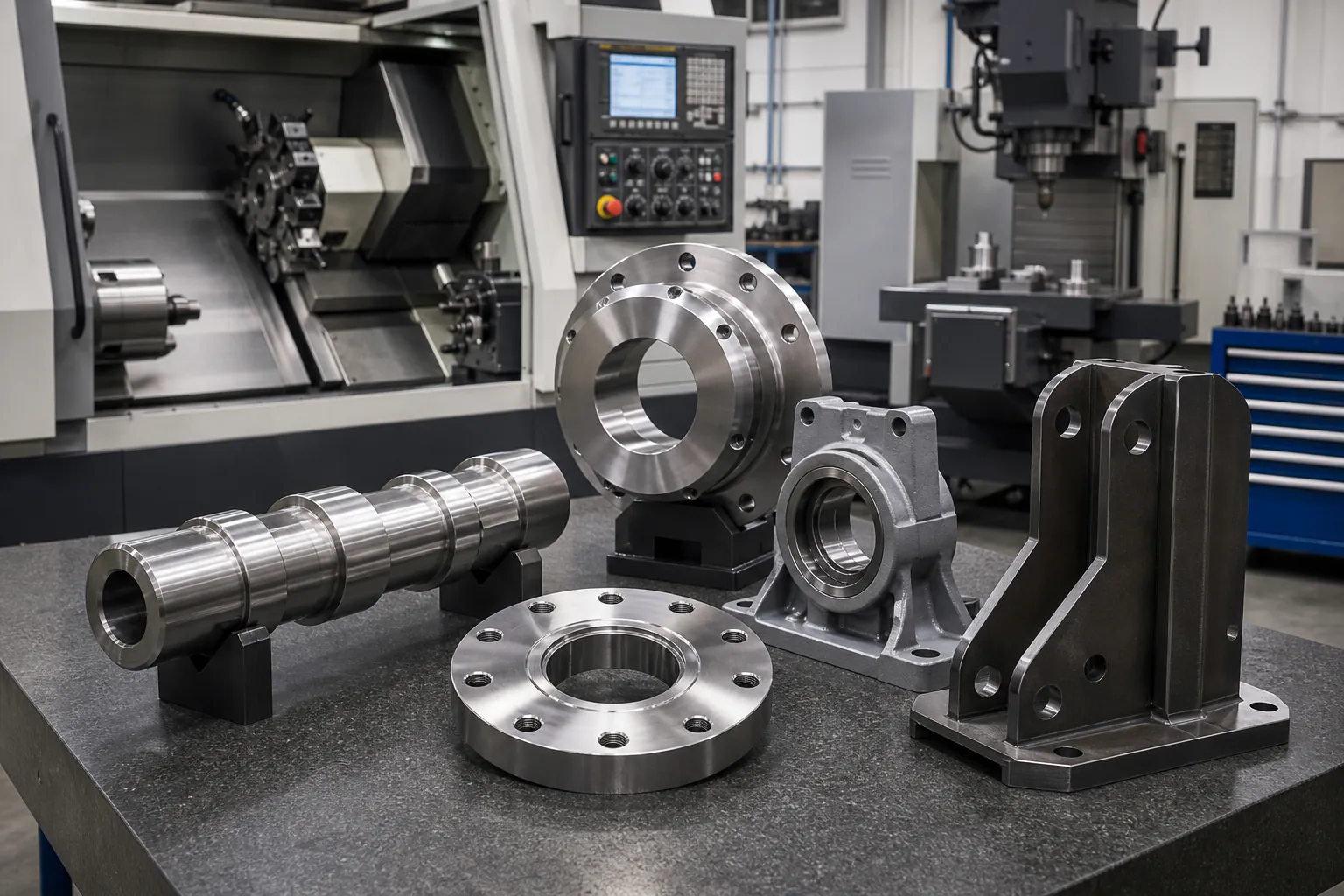
Connect production metal components to brackets, housings, equipment assemblies, and controlled repeat-volume requirements.
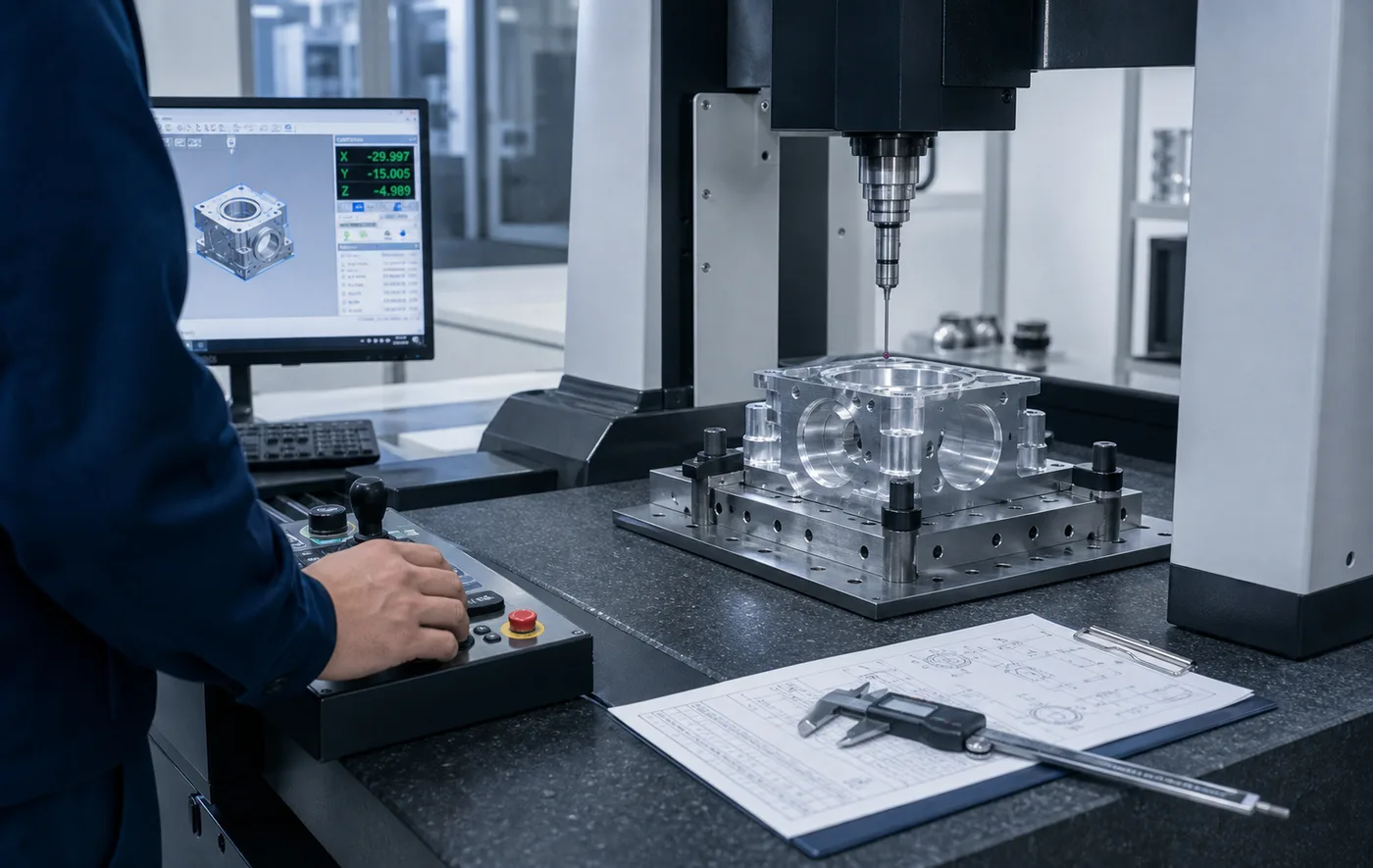
Plan dimensional inspection, critical features, surface checks, and supporting documentation.
Manufacturing specifications
Use this specification block for a fast supplier-fit check based on manufacturability, quality, quote accuracy, and delivery instead of generic marketing claims.
Engineering detail
Mature manufacturing buyers compare suppliers by technical evidence. These checks explain what should be reviewed before pricing, sample approval, batch production, and export delivery. Final limits always depend on drawings, material, geometry, quantity, and inspection requirements.
What sales will review
Geometry, tolerance, material, batch size, finish, and secondary operations.
Critical dimensions, inspection method, surface requirement, and packaging.
CAD models, PDF drawings, photos, samples, or BOM files.
Quantity, annual demand, target price, lead time, and delivery country.
Related engineering resources
Buyers who are still comparing options can use these related pages before sending files. Buyers with drawings can go directly to the RFQ workflow.
Yes. Tooling needs can be reviewed together with sample cost, production quantity, material, and lead time.
DXF, DWG, STEP, PDF drawings, product photos, and existing supplier specifications can support quotation.
Upload drawings, product photos, specifications, and annual demand so sales can score the RFQ and prepare a quotation.
Upload Files for Quote