
Typical parts and applications
- Transmission shafts, hubs, and bearing carriers
- Hydraulic manifolds, fittings, and valve blocks
- Gearbox housings, flanges, pins, and bushings
- Sensor mounts, irrigation parts, fixtures, and service replacements
CNC machining for agricultural machinery parts
CNC machining for tractor, harvester, irrigation, hydraulic, drivetrain, and farm equipment parts with material, inspection, and RFQ guidance.
Industry
Agricultural Machinery
Manufacturing route
CNC Machining
Application
Hydraulic Parts, Shafts, Housings, Pins, and Sensor Mounts
Quote input
STEP model and dimensional drawing, Blank type and machining allowance, Material, heat treatment, and coating, Batch quantity and critical inspection points
Main decision
Where is the part used and what loads or contamination does it see?
Review the manufacturing route, required files, quality controls, and delivery expectations before sending drawings.
Industry manufacturing guide
Agricultural machinery parts should be sourced around field load, contamination, corrosion, service access, and repeat fit. The buyer should identify whether the component belongs to a drivetrain, hydraulic circuit, planting system, irrigation assembly, sensor mount, or replacement program because each use changes material, tolerance, finish, and inspection priorities.
Industry-specific sourcing decisions
Agricultural machinery parts should be sourced around field load, contamination, corrosion, service access, and repeat fit. The buyer should identify whether the component belongs to a drivetrain, hydraulic circuit, planting system, irrigation assembly, sensor mount, or replacement program because each use changes material, tolerance, finish, and inspection priorities.
Project-specific decision examples
A cast housing carries bearings, seals, and a shaft alignment chain while operating under vibration and dust. The casting model alone does not show usable machining allowance or the functional bearing datum.
Quote the blank and machining route together, then inspect the bearing bores, seal faces, and mounting datums from the approved casting condition.
A valve block combines threaded ports, cross-drilled passages, plugs, sealing faces, and contamination-sensitive internal edges. A visually clean part can still fail if intersecting holes retain burrs.
Define passage cleaning, plug installation, thread inspection, and the exact hydraulic interfaces before comparing unit price.
The only available reference may be a worn pin, hub, or shaft removed from a machine. Copying wear into the new component can reproduce the failure instead of restoring the original fit.
Reconstruct the intended geometry from mating parts, service measurements, and functional clearances before releasing a replacement drawing.
A lightweight mount locates a camera, seed sensor, encoder, or control module beside moving planting hardware. Mud, washdown, vibration, cable routing, and field calibration shape the design more than raw machining tolerance.
Control the sensor datum, protective geometry, connector access, drainage, coating, and mounting repeatability so a replaced bracket does not require a new field-calibration method.
A carrier supports a rotating auger near grain, dust, vibration, and seasonal shock loads while bolting into a fabricated machine structure. Misalignment can accelerate bearing wear even when the bore diameter passes inspection.
Reference the bearing bore to the installed mounting pattern, define grease and seal interfaces, and verify alignment with representative fastener preload before seasonal production.
A compact block distributes agricultural fluid through small drilled passages, valve seats, threaded ports, and service plugs. Chemical exposure, residue, cleaning, and cross-hole burrs can create field problems unrelated to outer appearance.
Confirm fluid compatibility and cleaning method, then specify passage intersection deburring, port standards, valve-seat finish, plug installation, and a contamination-controlled final inspection.
Product to delivery chain
Confirm supplier fit, process fit, material or application fit, quality risk, quote inputs, and delivery expectations before committing to production.
Connect Agricultural Machinery requirements to real products, materials, and quality risks.
Review whether CNC Machining fits the part geometry, tolerance, material, and volume.
Confirm tolerance, finish, inspection notes, certification, packaging, and delivery expectations.
Upload files and project details so sales and engineering can review the request and prepare a quotation.
Prototype to production
A practical sourcing project starts with the requirement, confirms manufacturability, reviews samples, prepares the quotation, and then moves toward production and delivery.
Clarify Hydraulic Parts, Shafts, Housings, Pins, and Sensor Mounts, drawings, application, material, quantity, and target delivery.
Check whether CNC Machining is suitable or whether another process is better.
Confirm quote drivers, tooling or setup, sample needs, inspection notes, and packaging.
Move approved parts into repeatable production, quality inspection, and export delivery.
Visual manufacturing path
Use the image chain to understand how drawings become a reviewed process, an application-ready part, an inspection plan, and protected delivery.

Review CAD, dimensions, material, tolerance, finish, and missing quotation inputs.

Connect the approved requirement to a practical machining, fabrication, molding, casting, stamping, or printing route.
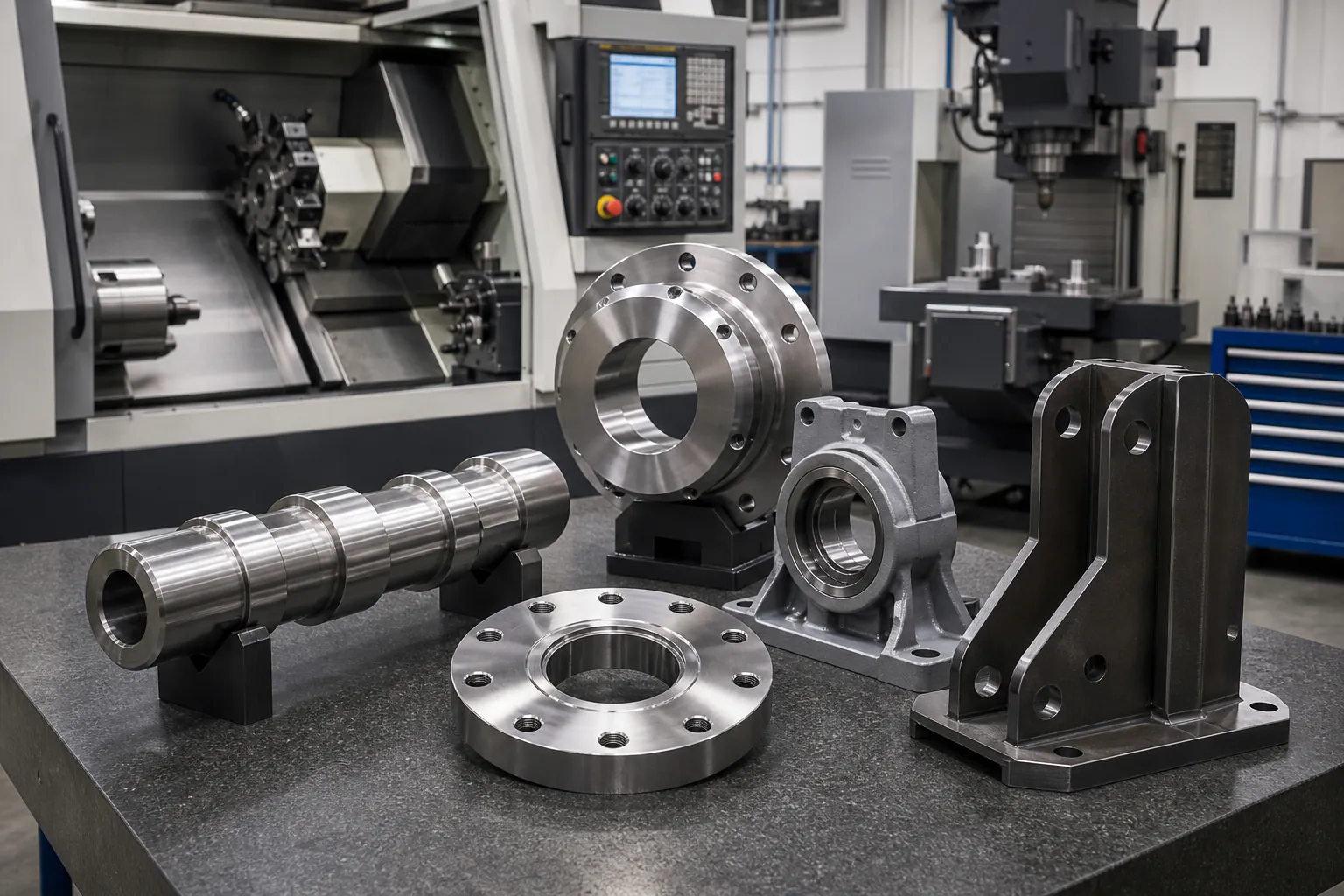
Connect precision machined shafts, flanges, housings, brackets, and fixtures to industrial OEM applications.
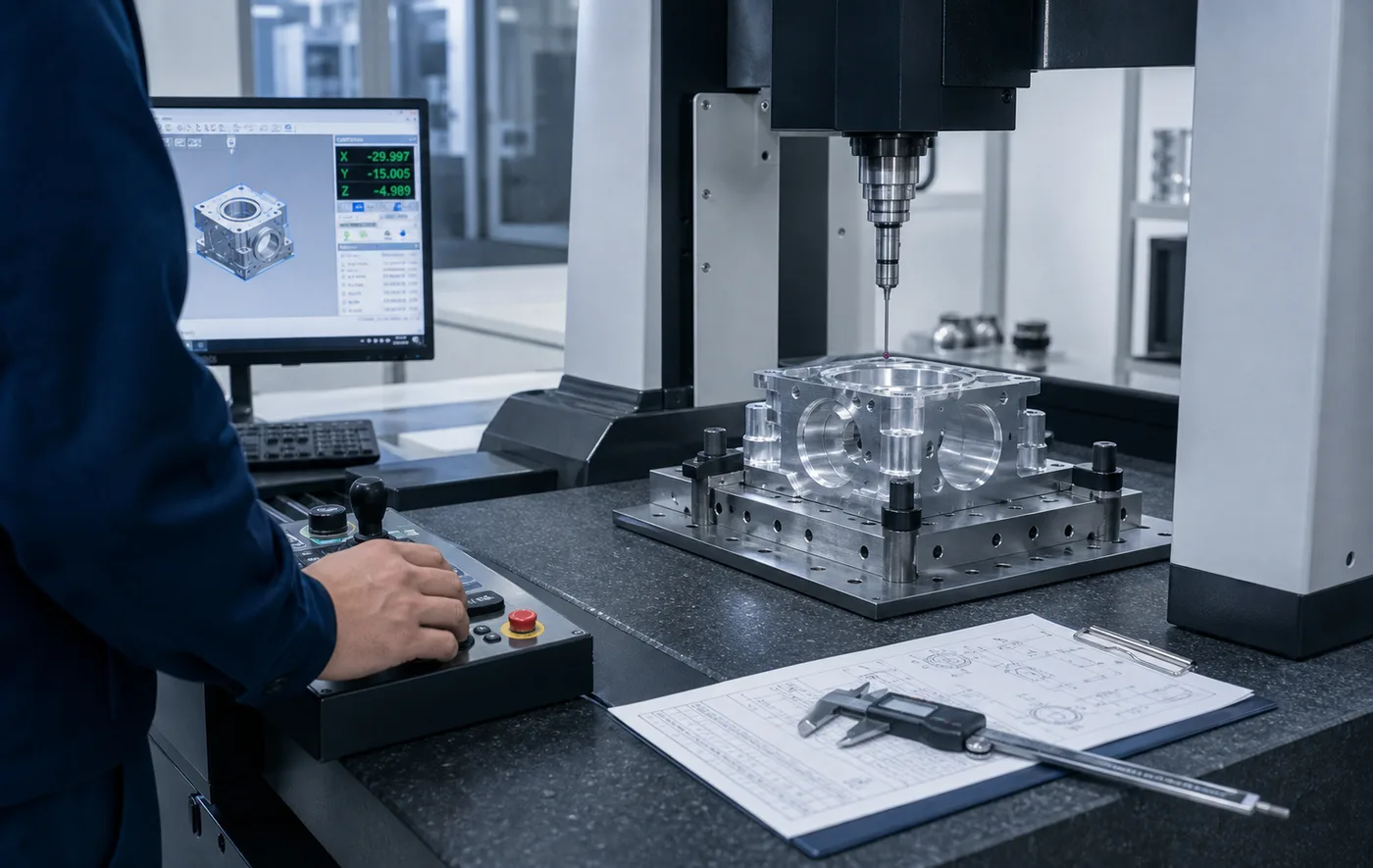
Plan dimensional inspection, critical features, surface checks, and supporting documentation.
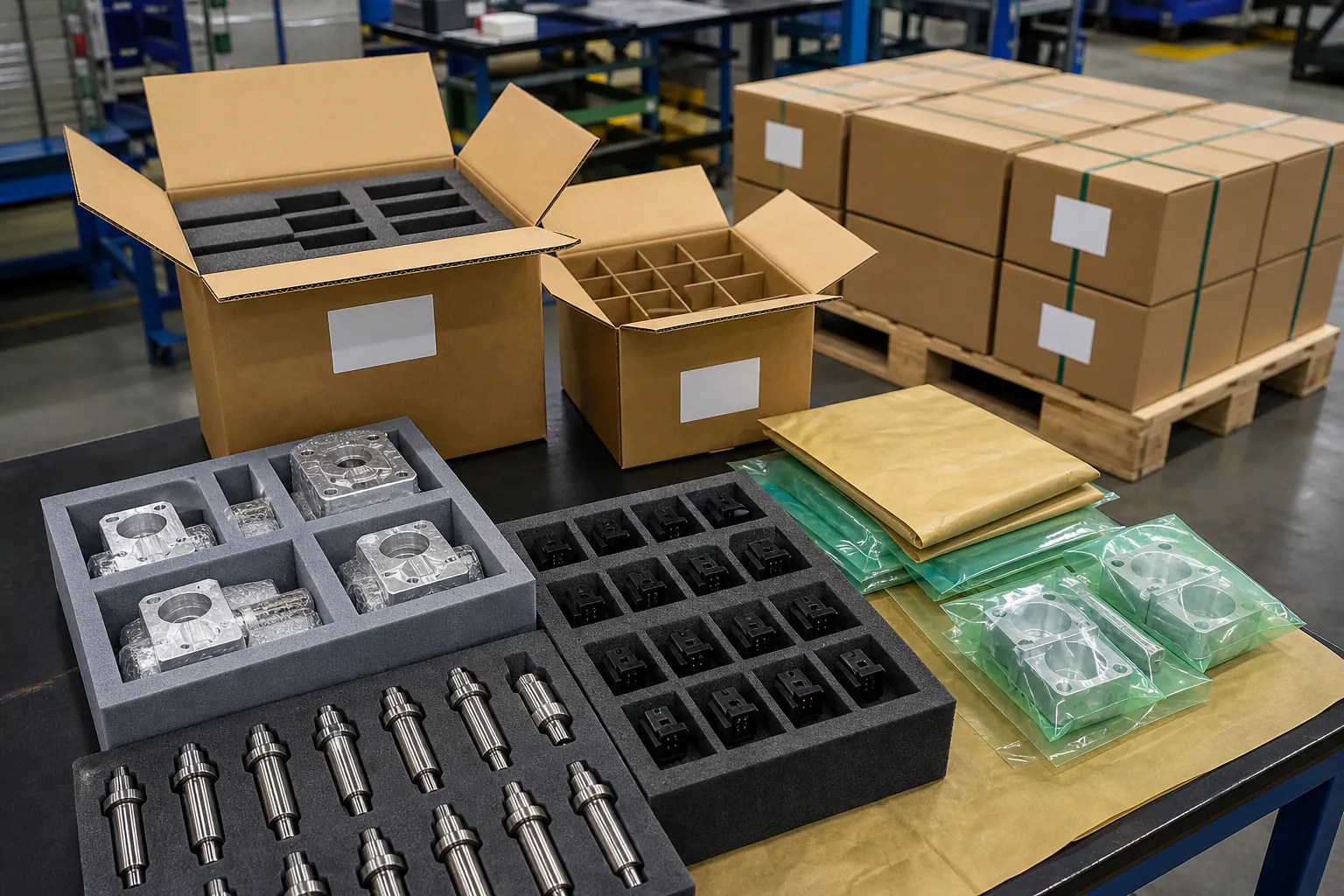
Separate finished parts, protect surfaces and metal, label batches, and prepare export packaging.
Manufacturing specifications
Use these specifications to judge process fit, material fit, quality risk, quote inputs, and delivery expectations without relying on broad marketing claims.
Engineering detail
This section gives search visitors the hard sourcing details that usually matter before sending drawings: process fit, material fit, tolerance, finish, quality risk, quote blockers, and production planning.
What sales will review
Transmission shafts, hubs, and bearing carriers, Hydraulic manifolds, fittings, and valve blocks, Gearbox housings, flanges, pins, and bushings, Sensor mounts, irrigation parts, fixtures, and service replacements
Machining allowance and datum choice on cast or forged blanks, Heat-treatment movement and finish-machining sequence, Deep hydraulic passages, cross holes, plugs, and deburring access, Keyways, splines, threads, bearing seats, and coating allowance
Blank sourcing and machining allowance, Heat treatment and post-treatment finishing, Large part envelope or multi-setup geometry, Critical fits, passage inspection, and repeat-order documentation
Diameter, runout, concentricity, and bearing-fit inspection, Hydraulic passage cleanliness and burr control, Hardness or material documents when required by the drawing, Corrosion protection, part identification, and service-ready packaging
Upload CAD files, PDF drawings, product photos, material notes, quantity, tolerance, finish, delivery target, and any existing supplier specifications.
Sales and engineering review process fit, material, tolerance, quantity, finish, application, delivery needs, and uploaded files before preparing the quotation.
Yes. Early RFQs can use product photos, rough drawings, samples, or BOM files. Final pricing becomes more accurate when CAD and detailed drawings are available.
Typical projects include Transmission shafts, hubs, and bearing carriers, Hydraulic manifolds, fittings, and valve blocks, Gearbox housings, flanges, pins, and bushings, Sensor mounts, irrigation parts, fixtures, and service replacements. Final process selection depends on the drawing, material, quantity, and functional requirements.
Diameter, runout, concentricity, and bearing-fit inspection; Hydraulic passage cleanliness and burr control; Hardness or material documents when required by the drawing; Corrosion protection, part identification, and service-ready packaging. State the required inspection and documentation scope in the RFQ rather than assuming it is included.
Upload drawings, product photos, material requirements, quantity, target price, tolerance, finish, and delivery expectations so sales can review the project.
Start RFQ