
Typical parts and applications
- Propulsion, pump, and drive shafts
- Couplings, flanges, bearing carriers, and seal housings
- Pump bodies, valve components, and fluid fittings
- Deck hardware, instrument mounts, brackets, and offshore equipment parts
CNC machining for marine equipment components
CNC machining for marine shafts, couplings, pump housings, valve parts, deck hardware, sealing features, corrosion review, and export RFQs.
Industry
Marine Equipment
Manufacturing route
CNC Machining
Application
Shafts, Couplings, Pump Parts, Valve Bodies, and Deck Hardware
Quote input
3D model and controlled drawing, Operating environment and mating metals, Exact alloy and finish specification, Part size, weight, quantity, and inspection scope
Main decision
Is the part submerged, splash-exposed, outdoor, or inside protected equipment?
Review the manufacturing route, required files, quality controls, and delivery expectations before sending drawings.
Industry manufacturing guide
Marine machining decisions start with exposure and function. A shaft running through a seal, a pump housing carrying fluid, and a deck bracket exposed to spray need different alloy, finish, surface, and inspection plans. The RFQ should state the environment and mating materials rather than assuming every stainless or aluminum grade performs the same way.
Industry-specific sourcing decisions
Marine machining decisions start with exposure and function. A shaft running through a seal, a pump housing carrying fluid, and a deck bracket exposed to spray need different alloy, finish, surface, and inspection plans. The RFQ should state the environment and mating materials rather than assuming every stainless or aluminum grade performs the same way.
Project-specific decision examples
A marine pump shaft must align bearings, transmit torque, and pass through a seal while exposed to fluid and humidity. Grade selection alone does not control runout or seal life.
Separate bearing fits, seal roughness, coupling datum, keyway, and corrosion treatment on the drawing, then inspect the shaft as one rotational stack.
A bracket may see spray, vibration, sunlight, fastener preload, and contact with a different metal structure. Trapped water and unprotected interfaces can matter more than a polished appearance.
Review drainage, crevices, alloy pairing, finish, fasteners, and mounting loads before selecting material thickness and machining strategy.
A damaged coupling can hide the original bore fit, key geometry, face alignment, and balance requirement. Reverse engineering should not treat every measured surface as design intent.
Use shaft and equipment datums to rebuild the functional drawing, then validate bore, key, face runout, and installed alignment on the first part.
A compact body may combine fluid passages, threaded ports, sealing lands, a stem bore, fasteners, and dissimilar mating hardware. Trapped chips, crevices, and a wrong alloy condition can undermine an otherwise accurate component.
Review the fluid path, drainage, material certificate, port standard, sealing finish, cleaning, and compatible assembly metals before releasing machining and passivation.
Product to delivery chain
Confirm supplier fit, process fit, material or application fit, quality risk, quote inputs, and delivery expectations before committing to production.
Connect Marine Equipment requirements to real products, materials, and quality risks.
Review whether CNC Machining fits the part geometry, tolerance, material, and volume.
Confirm tolerance, finish, inspection notes, certification, packaging, and delivery expectations.
Upload files and project details so sales and engineering can review the request and prepare a quotation.
Prototype to production
A practical sourcing project starts with the requirement, confirms manufacturability, reviews samples, prepares the quotation, and then moves toward production and delivery.
Clarify Shafts, Couplings, Pump Parts, Valve Bodies, and Deck Hardware, drawings, application, material, quantity, and target delivery.
Check whether CNC Machining is suitable or whether another process is better.
Confirm quote drivers, tooling or setup, sample needs, inspection notes, and packaging.
Move approved parts into repeatable production, quality inspection, and export delivery.
Visual manufacturing path
Use the image chain to understand how drawings become a reviewed process, an application-ready part, an inspection plan, and protected delivery.

Review CAD, dimensions, material, tolerance, finish, and missing quotation inputs.

Connect the approved requirement to a practical machining, fabrication, molding, casting, stamping, or printing route.
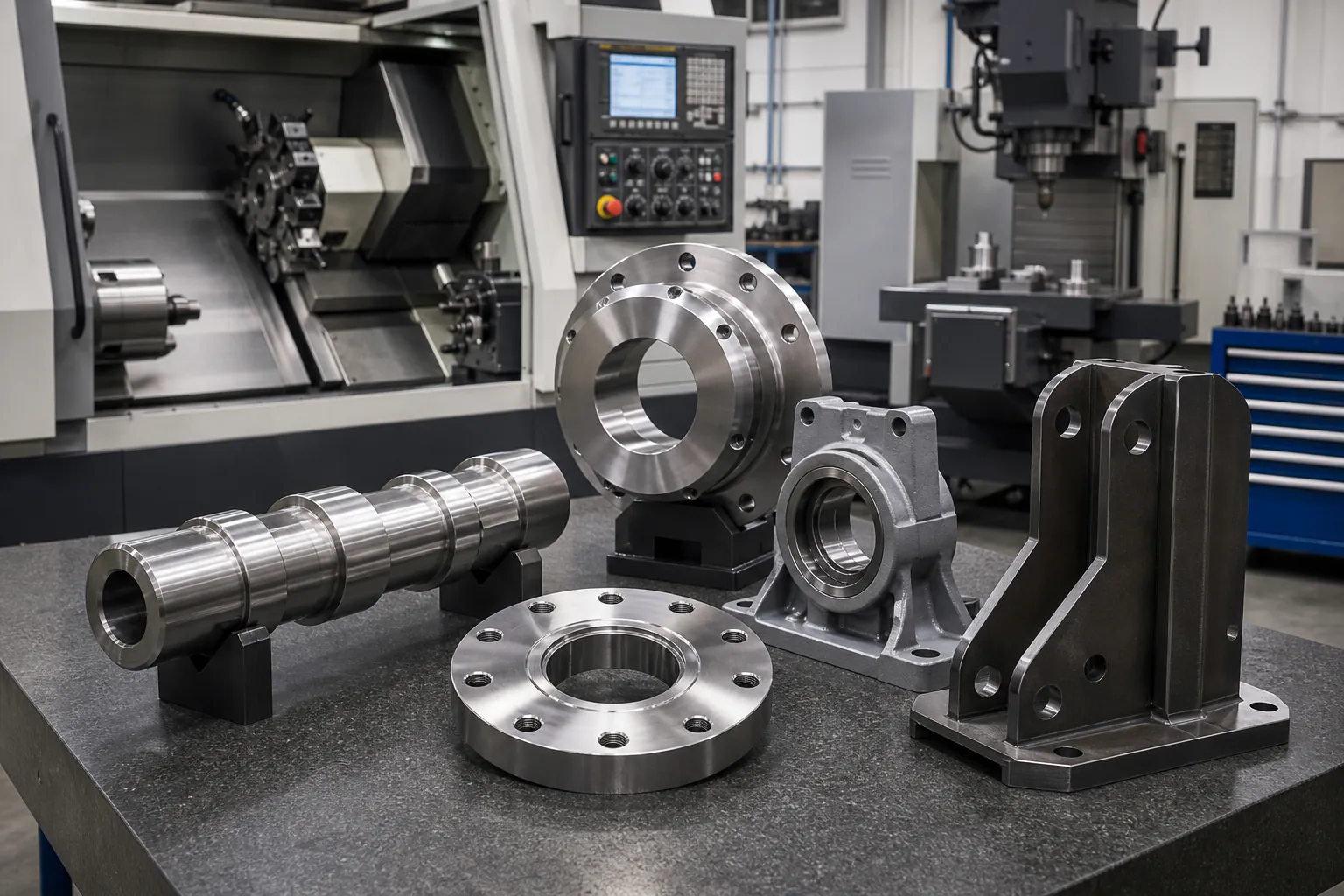
Connect precision machined shafts, flanges, housings, brackets, and fixtures to industrial OEM applications.
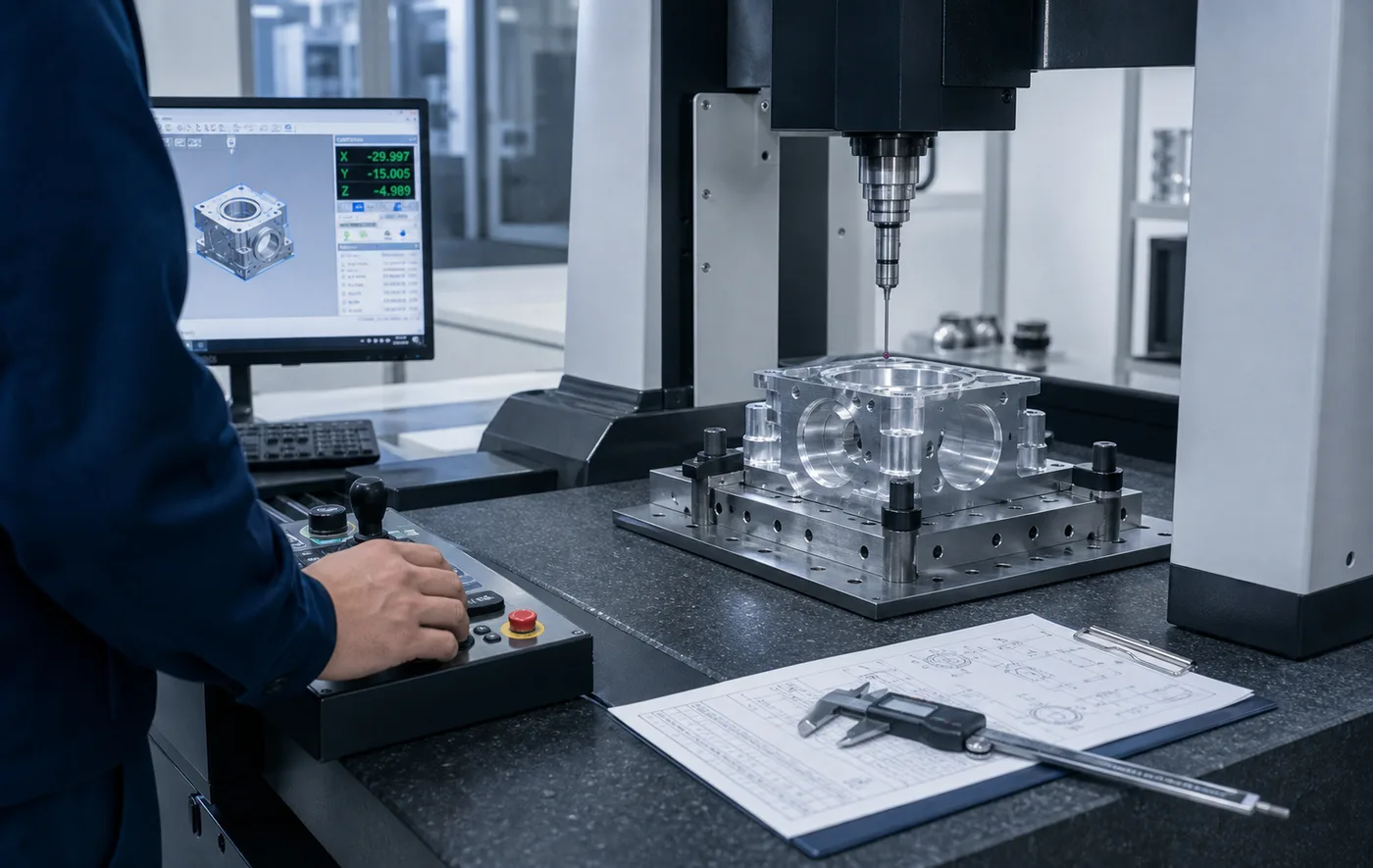
Plan dimensional inspection, critical features, surface checks, and supporting documentation.
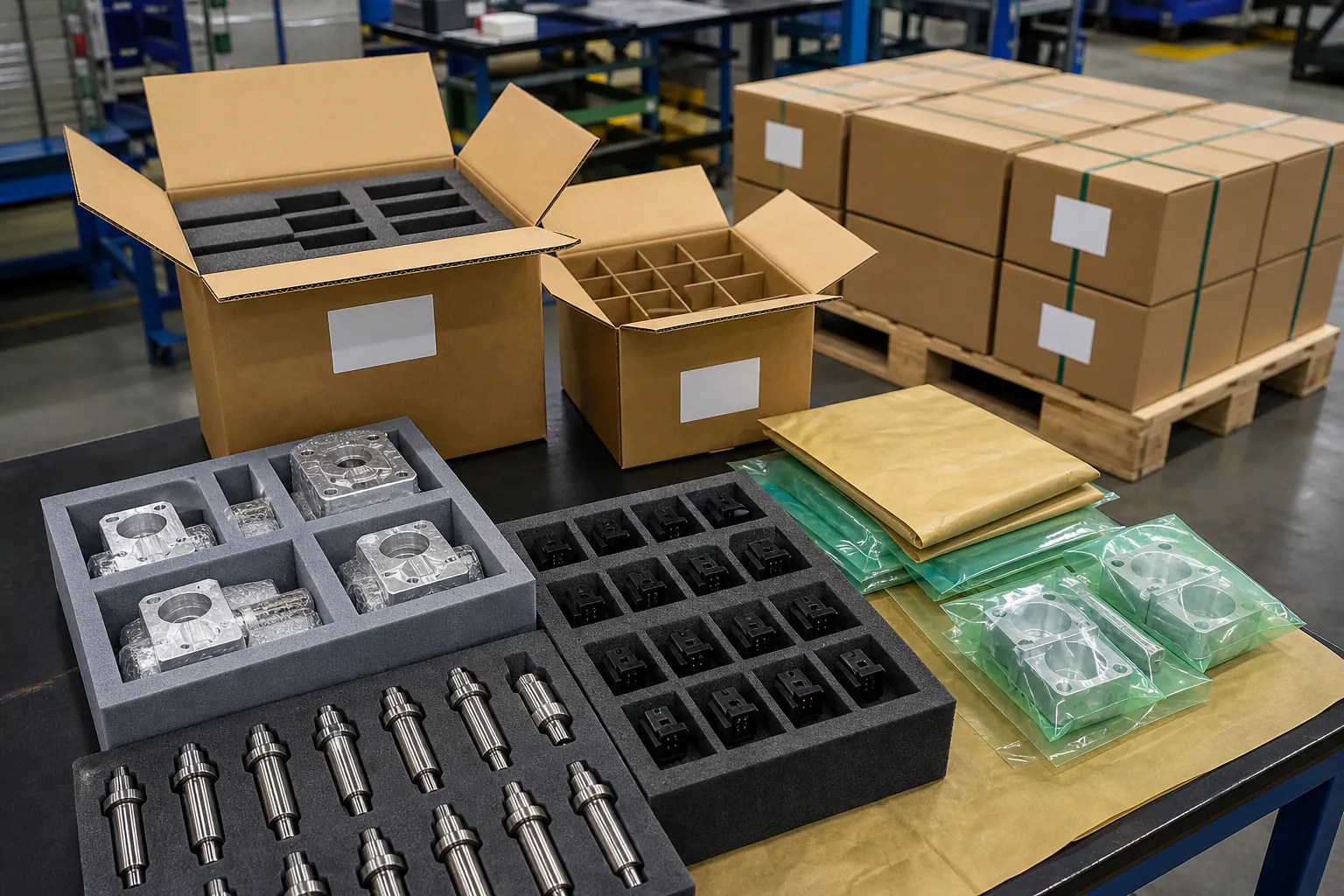
Separate finished parts, protect surfaces and metal, label batches, and prepare export packaging.
Manufacturing specifications
Use these specifications to judge process fit, material fit, quality risk, quote inputs, and delivery expectations without relying on broad marketing claims.
Engineering detail
This section gives search visitors the hard sourcing details that usually matter before sending drawings: process fit, material fit, tolerance, finish, quality risk, quote blockers, and production planning.
What sales will review
Propulsion, pump, and drive shafts, Couplings, flanges, bearing carriers, and seal housings, Pump bodies, valve components, and fluid fittings, Deck hardware, instrument mounts, brackets, and offshore equipment parts
Long-shaft support, turning sequence, and straightness control, Seal surfaces, bearing journals, keyways, and coupling alignment, Crevice-prone geometry, drainage, thread protection, and dissimilar-metal interfaces, Passivation, coating, anodizing, and post-finish dimension planning
Long or heavy workpieces and special support, Corrosion-resistant alloy machining time, Tight runout and surface-finish requirements, Material documents, passivation, coating, and export packaging
Runout, concentricity, straightness, and journal diameter, Surface finish on seal and bearing contact areas, Material grade and requested traceability documents, Protected packing against moisture, impact, and mixed-metal contact
Upload CAD files, PDF drawings, product photos, material notes, quantity, tolerance, finish, delivery target, and any existing supplier specifications.
Sales and engineering review process fit, material, tolerance, quantity, finish, application, delivery needs, and uploaded files before preparing the quotation.
Yes. Early RFQs can use product photos, rough drawings, samples, or BOM files. Final pricing becomes more accurate when CAD and detailed drawings are available.
Typical projects include Propulsion, pump, and drive shafts, Couplings, flanges, bearing carriers, and seal housings, Pump bodies, valve components, and fluid fittings, Deck hardware, instrument mounts, brackets, and offshore equipment parts. Final process selection depends on the drawing, material, quantity, and functional requirements.
Runout, concentricity, straightness, and journal diameter; Surface finish on seal and bearing contact areas; Material grade and requested traceability documents; Protected packing against moisture, impact, and mixed-metal contact. State the required inspection and documentation scope in the RFQ rather than assuming it is included.
Upload drawings, product photos, material requirements, quantity, target price, tolerance, finish, and delivery expectations so sales can review the project.
Start RFQ