
Typical parts and applications
- PCB and instrument housings
- Control boxes, power enclosures, and communication equipment cases
- Extruded heat-sink enclosures and machined end panels
- Sealed outdoor boxes, die-cast covers, chassis, and rack components
custom aluminum enclosure manufacturer
Custom aluminum enclosures made by CNC machining, sheet metal, extrusion, or die casting for electronics, controls, telecom, energy, and industrial equipment RFQs.
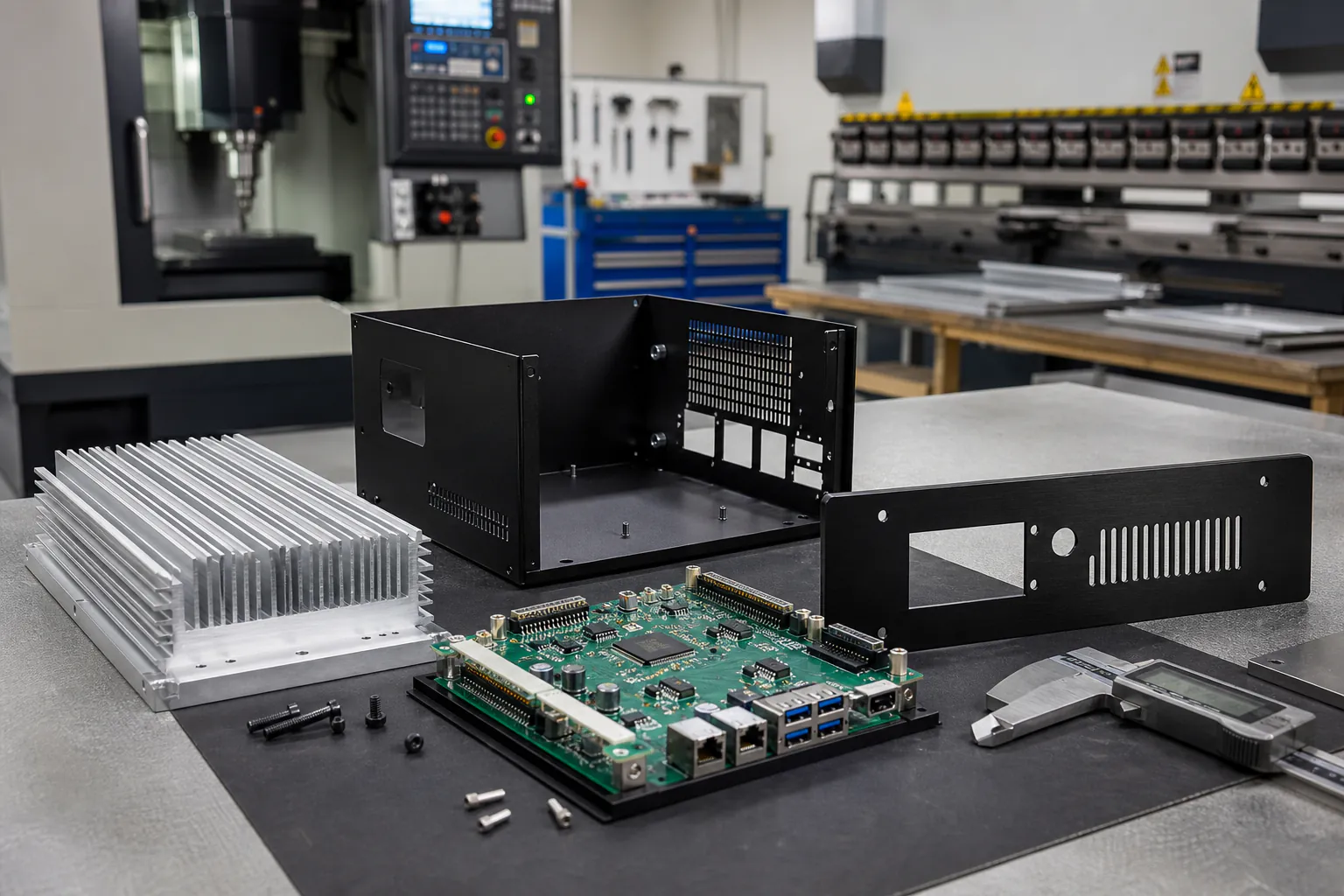
Industry
Electronics, Telecommunications, Energy, and Industrial Equipment
Manufacturing route
CNC Machining, Sheet Metal, Extrusion, or Die Casting
Application
PCB, Instrument, Control, Outdoor, and Thermal Equipment Protection
Quote input
Enclosure and PCB assembly files, Quantity, annual demand, and preferred process, Alloy, finish, masking, and cosmetic notes, Thermal, sealing, connector, and validation requirements
Main decision
Which process best matches the geometry, volume, and design maturity?
Review the manufacturing route, required files, quality controls, and delivery expectations before sending drawings.
Material application guide
A custom aluminum enclosure is not one process category. CNC machining suits low-volume precision cavities, sheet metal suits larger folded boxes and cabinets, extrusion suits constant cross-sections with machined end features, and die casting suits stable medium-to-high volume designs with integrated ribs and bosses. The sourcing decision should begin with process selection, then finish and validation.
Industry-specific sourcing decisions
A custom aluminum enclosure is not one process category. CNC machining suits low-volume precision cavities, sheet metal suits larger folded boxes and cabinets, extrusion suits constant cross-sections with machined end features, and die casting suits stable medium-to-high volume designs with integrated ribs and bosses. The sourcing decision should begin with process selection, then finish and validation.
Project-specific decision examples
A billet enclosure contains precision cavities, connector bores, a display opening, threaded bosses, and a gasket land while the product design is still changing. Production tooling would slow revisions.
Use CNC machining with a stable assembly datum, then inspect connector, lid, PCB, and sealing interfaces after anodizing or the specified finish.
A larger electronics assembly needs front and rear panels, card guides, fans, removable covers, rack ears, labels, and service access. Machining the whole body would waste material and cost.
Use a folded enclosure and machined or purchased details, then validate rack fit and populated assembly before freezing flat patterns and finish.
A stable higher-volume design combines bosses, ribs, fins, cable entries, lid fasteners, and a gasket. Casting can integrate features but requires tooling and secondary machining.
Approve the final assembly and environmental test plan before releasing the die, with machined sealing and connector features controlled after casting.
Product to delivery chain
Confirm supplier fit, process fit, material or application fit, quality risk, quote inputs, and delivery expectations before committing to production.
Define Custom Aluminum Enclosures geometry, function, quantity, and application.
Review whether CNC Machining, Sheet Metal, Extrusion, or Die Casting fits the part geometry, tolerance, material, and volume.
Confirm tolerance, finish, inspection notes, certification, packaging, and delivery expectations.
Upload files and project details so sales and engineering can review the request and prepare a quotation.
Prototype to production
A practical sourcing project starts with the requirement, confirms manufacturability, reviews samples, prepares the quotation, and then moves toward production and delivery.
Clarify Custom Aluminum Enclosures, drawings, application, material, quantity, and target delivery.
Check whether CNC Machining, Sheet Metal, Extrusion, or Die Casting is suitable or whether another process is better.
Confirm quote drivers, tooling or setup, sample needs, inspection notes, and packaging.
Move approved parts into repeatable production, quality inspection, and export delivery.
Visual manufacturing path
Use the image chain to understand how drawings become a reviewed process, an application-ready part, an inspection plan, and protected delivery.

Review CAD, dimensions, material, tolerance, finish, and missing quotation inputs.
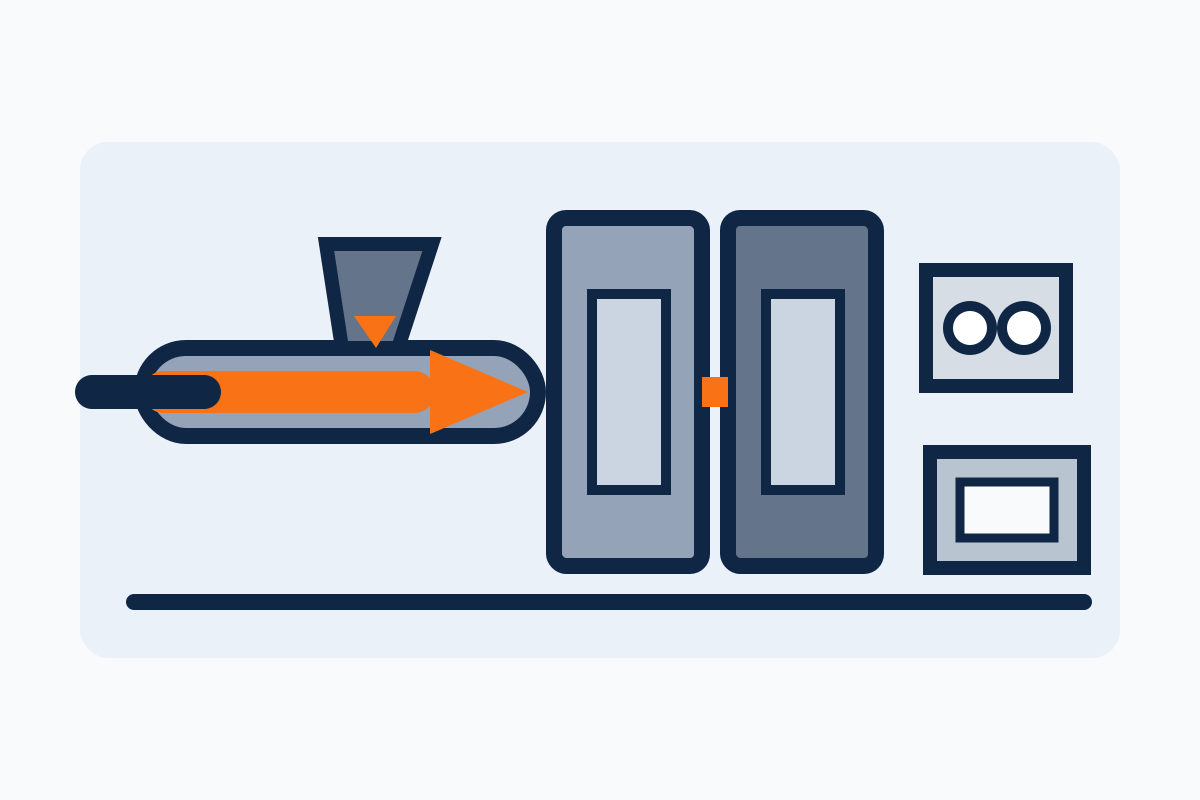
Review die design, alloy flow, trimming, secondary machining, and dimensional inspection before production.
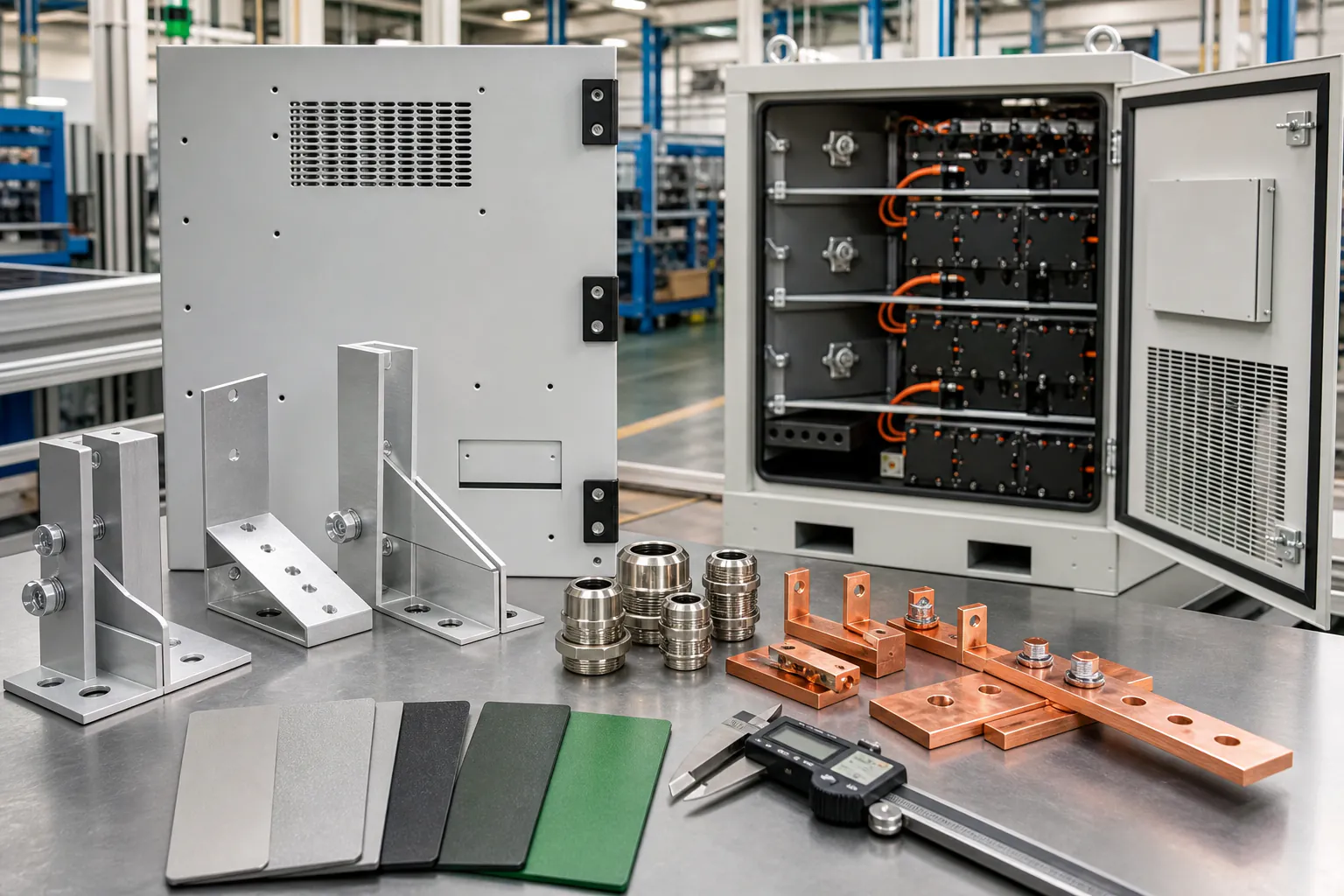
Connect brackets, conductors, glands, and enclosures to energy-storage and outdoor equipment assemblies.
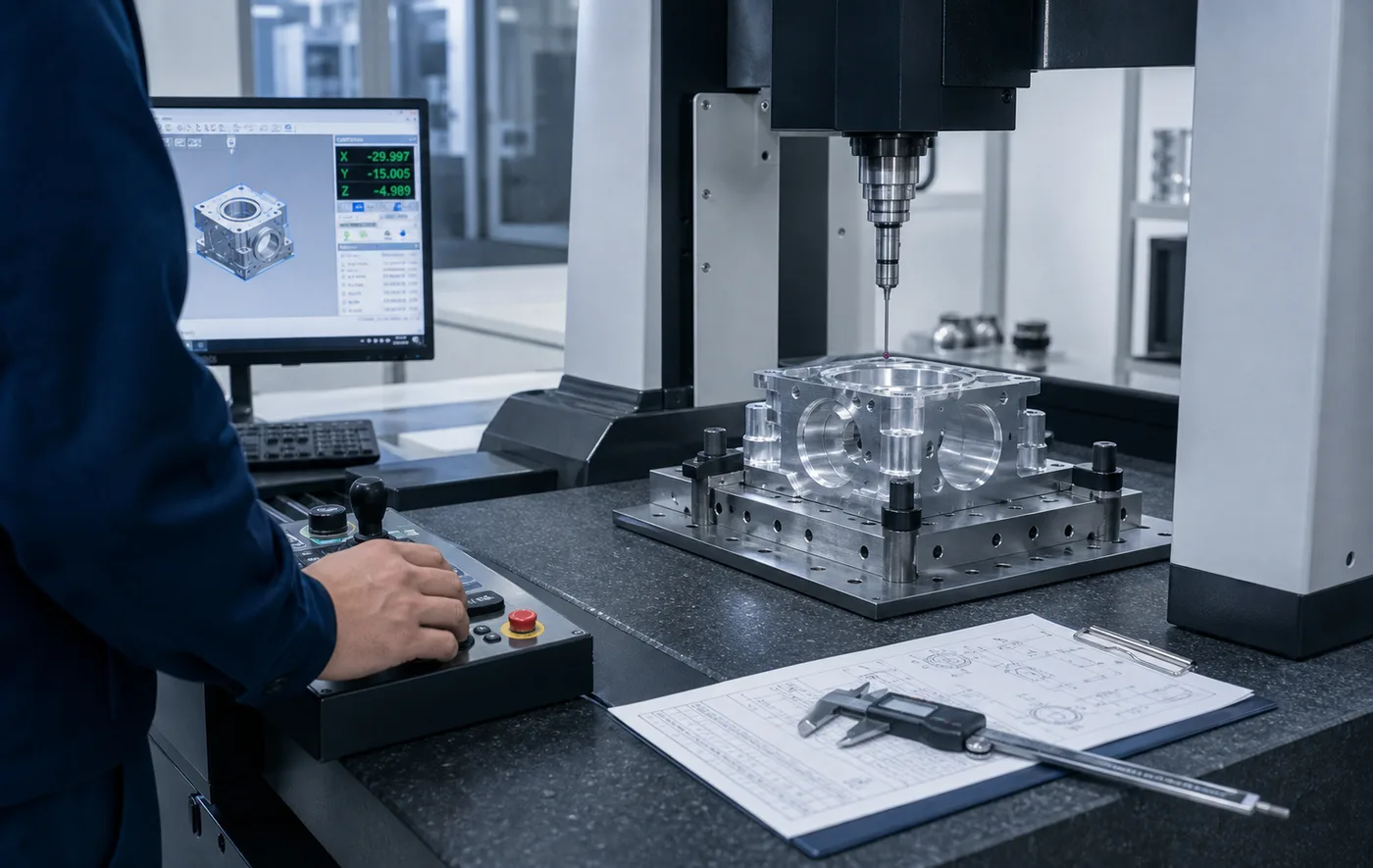
Plan dimensional inspection, critical features, surface checks, and supporting documentation.
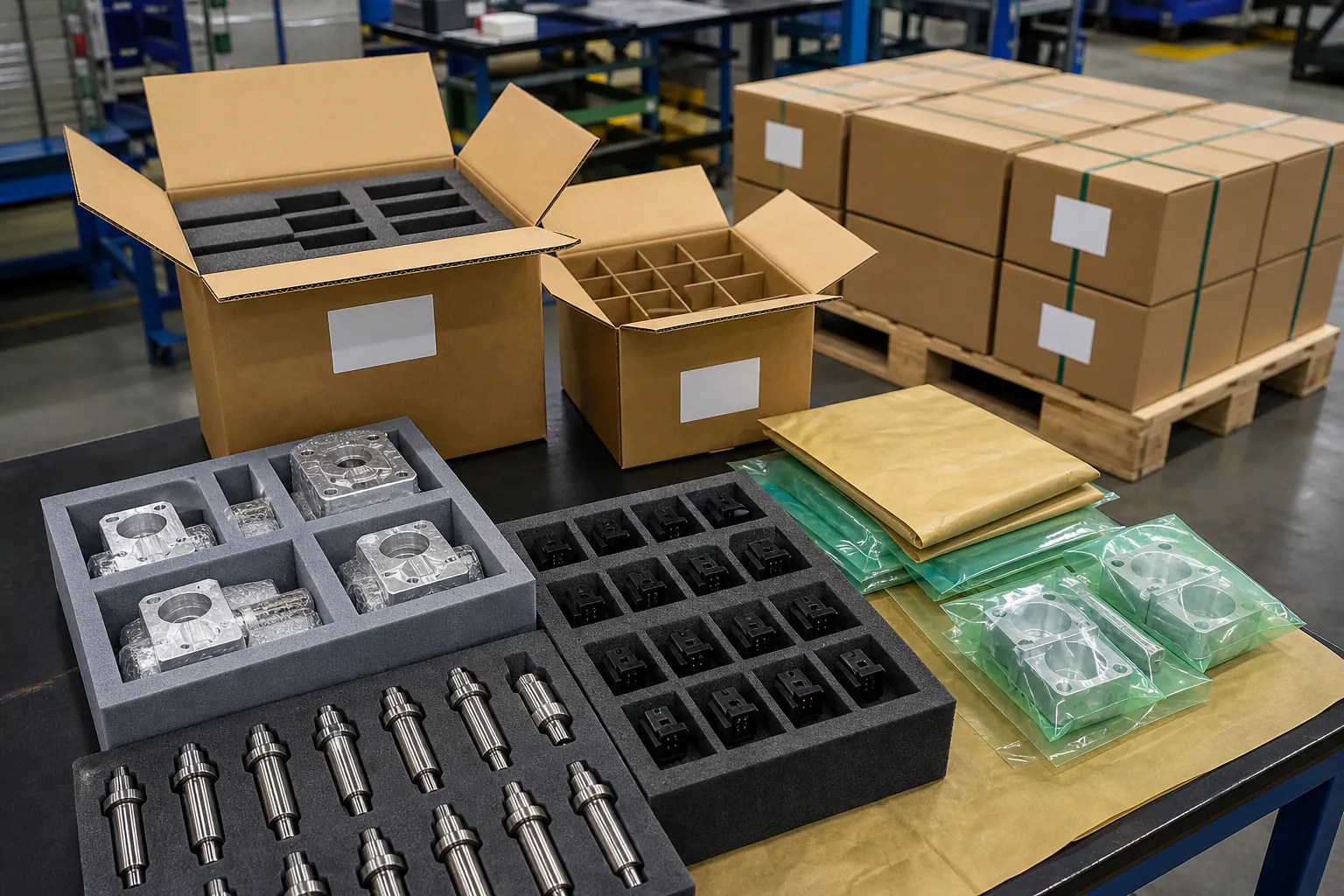
Separate finished parts, protect surfaces and metal, label batches, and prepare export packaging.
Manufacturing specifications
Use these specifications to judge process fit, material fit, quality risk, quote inputs, and delivery expectations without relying on broad marketing claims.
Engineering detail
This section gives search visitors the hard sourcing details that usually matter before sending drawings: process fit, material fit, tolerance, finish, quality risk, quote blockers, and production planning.
What sales will review
PCB and instrument housings, Control boxes, power enclosures, and communication equipment cases, Extruded heat-sink enclosures and machined end panels, Sealed outdoor boxes, die-cast covers, chassis, and rack components
Process choice by volume, wall geometry, tooling, and change risk, PCB rails, bosses, connectors, fasteners, and assembly tolerance stack, Thermal path, venting, sealing land, drainage, and gasket compression, Anodizing, powder coating, masking, conductive contact, and marking sequence
Selected process and tooling requirement, Enclosure size, wall thickness, cavities, and secondary machining, Finish, masking, hardware, gasket, and assembly, Inspection, validation samples, packaging, and annual volume
Connector, PCB, lid, and mounting pattern position, Flatness on thermal and sealing surfaces, Finish color, texture, masking, and cosmetic acceptance, Buyer-defined ingress, thermal, shielding, and environmental validation
Upload CAD files, PDF drawings, product photos, material notes, quantity, tolerance, finish, delivery target, and any existing supplier specifications.
Sales and engineering review process fit, material, tolerance, quantity, finish, application, delivery needs, and uploaded files before preparing the quotation.
Yes. Early RFQs can use product photos, rough drawings, samples, or BOM files. Final pricing becomes more accurate when CAD and detailed drawings are available.
Typical projects include PCB and instrument housings, Control boxes, power enclosures, and communication equipment cases, Extruded heat-sink enclosures and machined end panels, Sealed outdoor boxes, die-cast covers, chassis, and rack components. Final process selection depends on the drawing, material, quantity, and functional requirements.
Connector, PCB, lid, and mounting pattern position; Flatness on thermal and sealing surfaces; Finish color, texture, masking, and cosmetic acceptance; Buyer-defined ingress, thermal, shielding, and environmental validation. State the required inspection and documentation scope in the RFQ rather than assuming it is included.
Upload drawings, product photos, material requirements, quantity, target price, tolerance, finish, and delivery expectations so sales can review the project.
Start RFQ