
Typical parts and applications
- Connector bodies and terminal protection covers
- Busbar barriers and battery insulation components
- Cable glands, guides, clamps, and strain-relief parts
- Sensor, control, and outdoor-equipment housings
injection molding for energy equipment components
Injection molding for energy equipment connector bodies, terminal guards, insulation covers, cable components, sensor housings, tooling, and RFQs.
Industry
Energy
Manufacturing route
Injection Molding
Application
Connector Bodies, Terminal Guards, Insulation Covers, and Sensor Housings
Quote input
3D model with electrical interfaces, Exact resin grade or required properties, Insert, seal, color, and rating notes, Validation plan and annual demand
Main decision
Which material rating or test standard is mandatory?
Review the manufacturing route, required files, quality controls, and delivery expectations before sending drawings.
Industry manufacturing guide
Energy-equipment plastic components can involve insulation, heat, flame behavior, UV exposure, sealing, and metal interfaces. A reliable sourcing decision requires the buyer to name the governing test or rating and the exact approved resin where applicable. MakesHub should not infer compliance from labels such as PA66 or PC alone.
Industry-specific sourcing decisions
Energy-equipment plastic components can involve insulation, heat, flame behavior, UV exposure, sealing, and metal interfaces. A reliable sourcing decision requires the buyer to name the governing test or rating and the exact approved resin where applicable. MakesHub should not infer compliance from labels such as PA66 or PC alone.
Product to delivery chain
Confirm supplier fit, process fit, material or application fit, quality risk, quote inputs, and delivery expectations before committing to production.
Connect Energy requirements to real products, materials, and quality risks.
Review whether Injection Molding fits the part geometry, tolerance, material, and volume.
Confirm tolerance, finish, inspection notes, certification, packaging, and delivery expectations.
Upload files and project details so sales and engineering can review the request and prepare a quotation.
Prototype to production
A practical sourcing project starts with the requirement, confirms manufacturability, reviews samples, prepares the quotation, and then moves toward production and delivery.
Clarify Connector Bodies, Terminal Guards, Insulation Covers, and Sensor Housings, drawings, application, material, quantity, and target delivery.
Check whether Injection Molding is suitable or whether another process is better.
Confirm quote drivers, tooling or setup, sample needs, inspection notes, and packaging.
Move approved parts into repeatable production, quality inspection, and export delivery.
Visual manufacturing path
Use the image chain to understand how drawings become a reviewed process, an application-ready part, an inspection plan, and protected delivery.

Review CAD, dimensions, material, tolerance, finish, and missing quotation inputs.
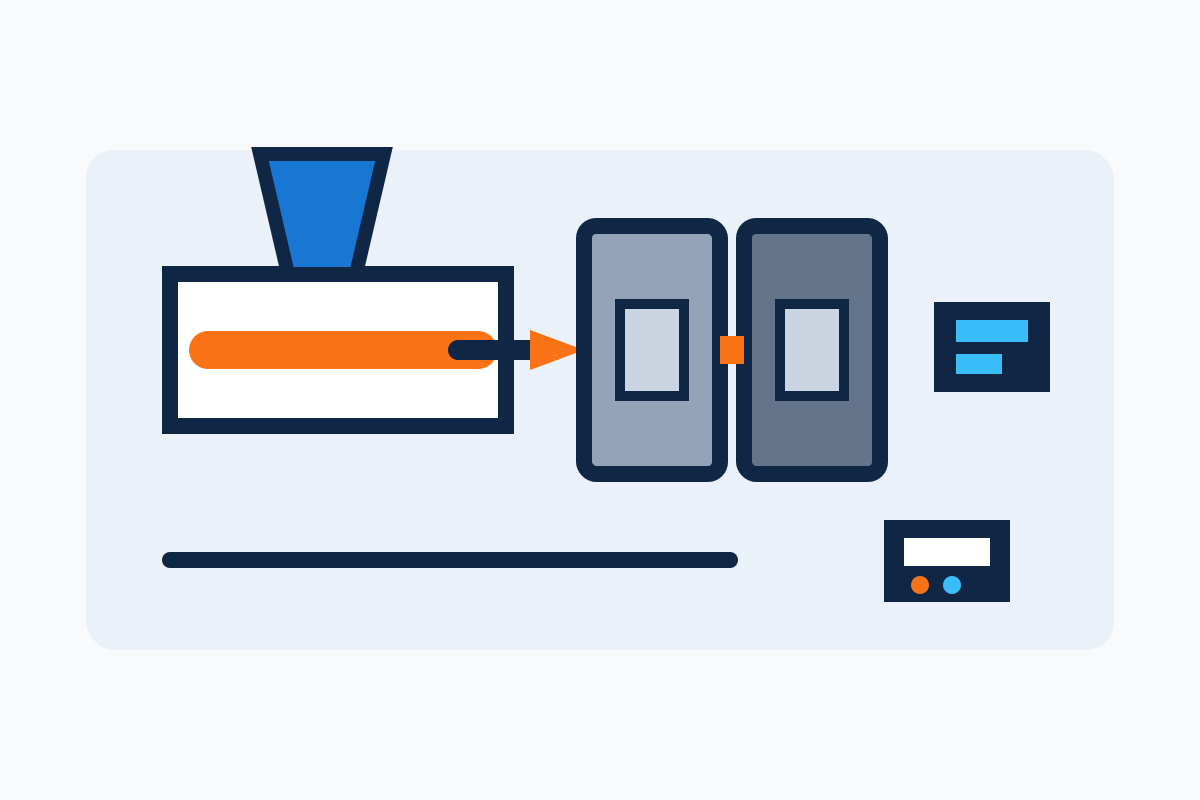
Review resin, tool design, gate strategy, shrinkage, critical dimensions, and repeat production requirements.
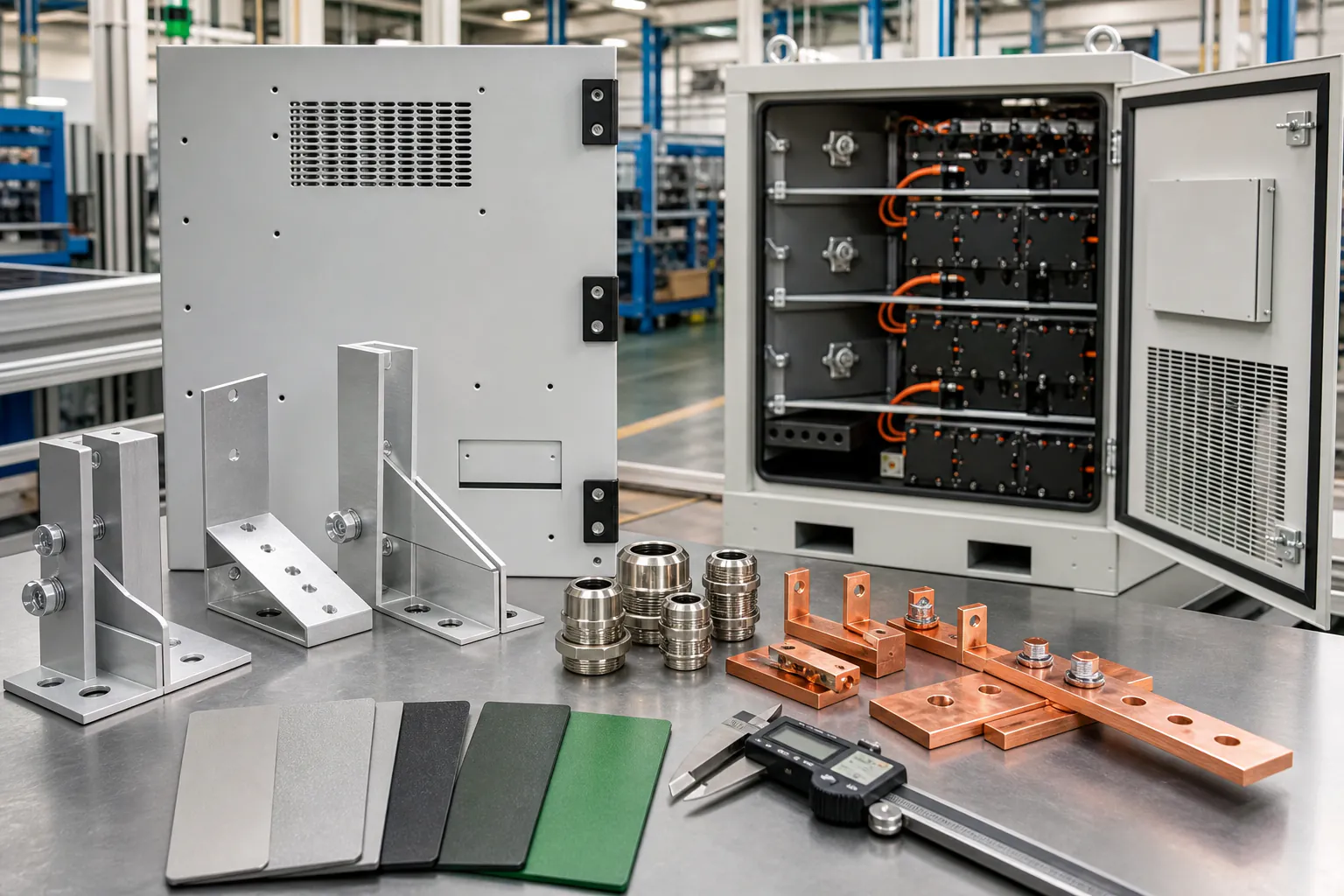
Connect brackets, conductors, glands, and enclosures to energy-storage and outdoor equipment assemblies.
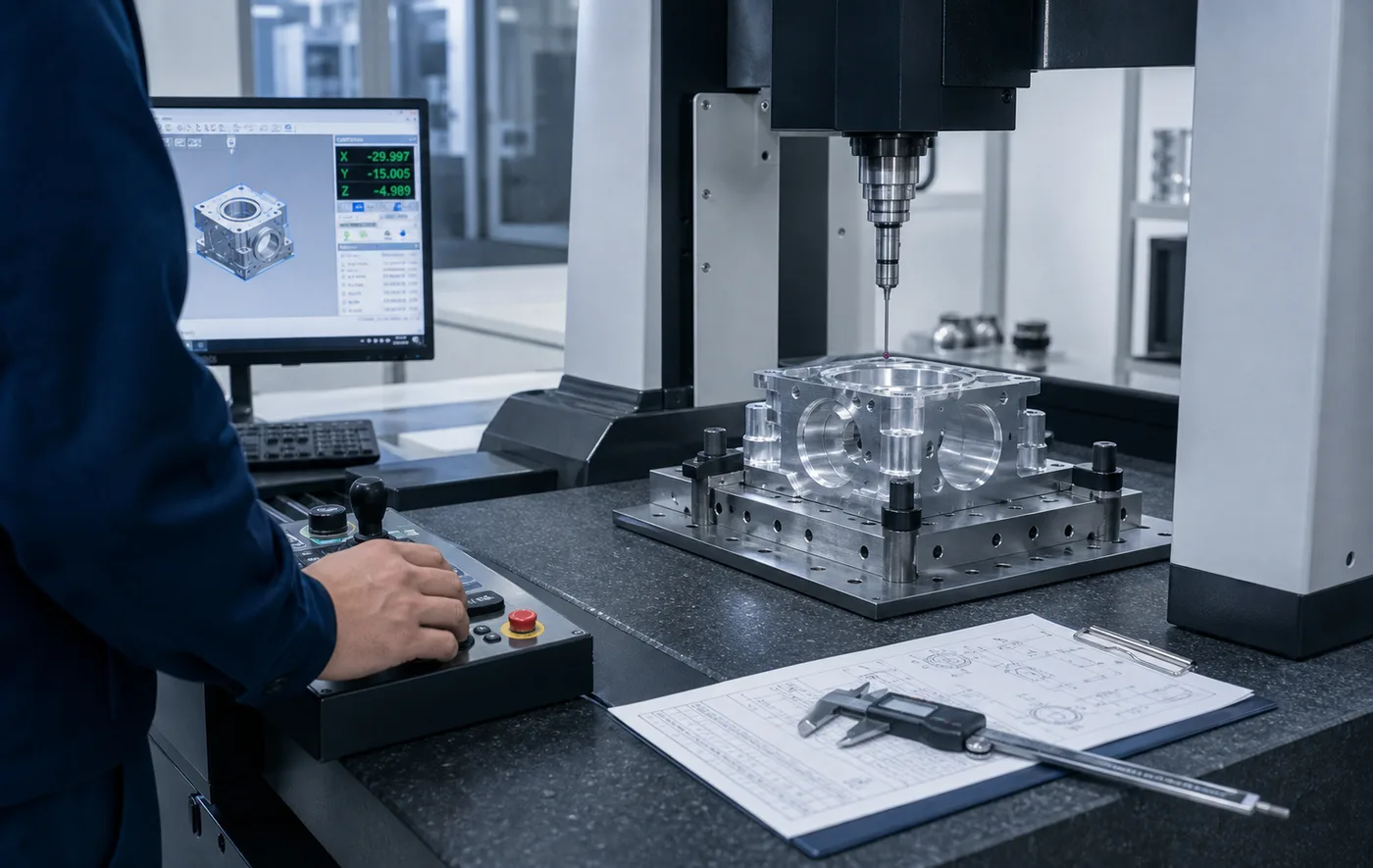
Plan dimensional inspection, critical features, surface checks, and supporting documentation.
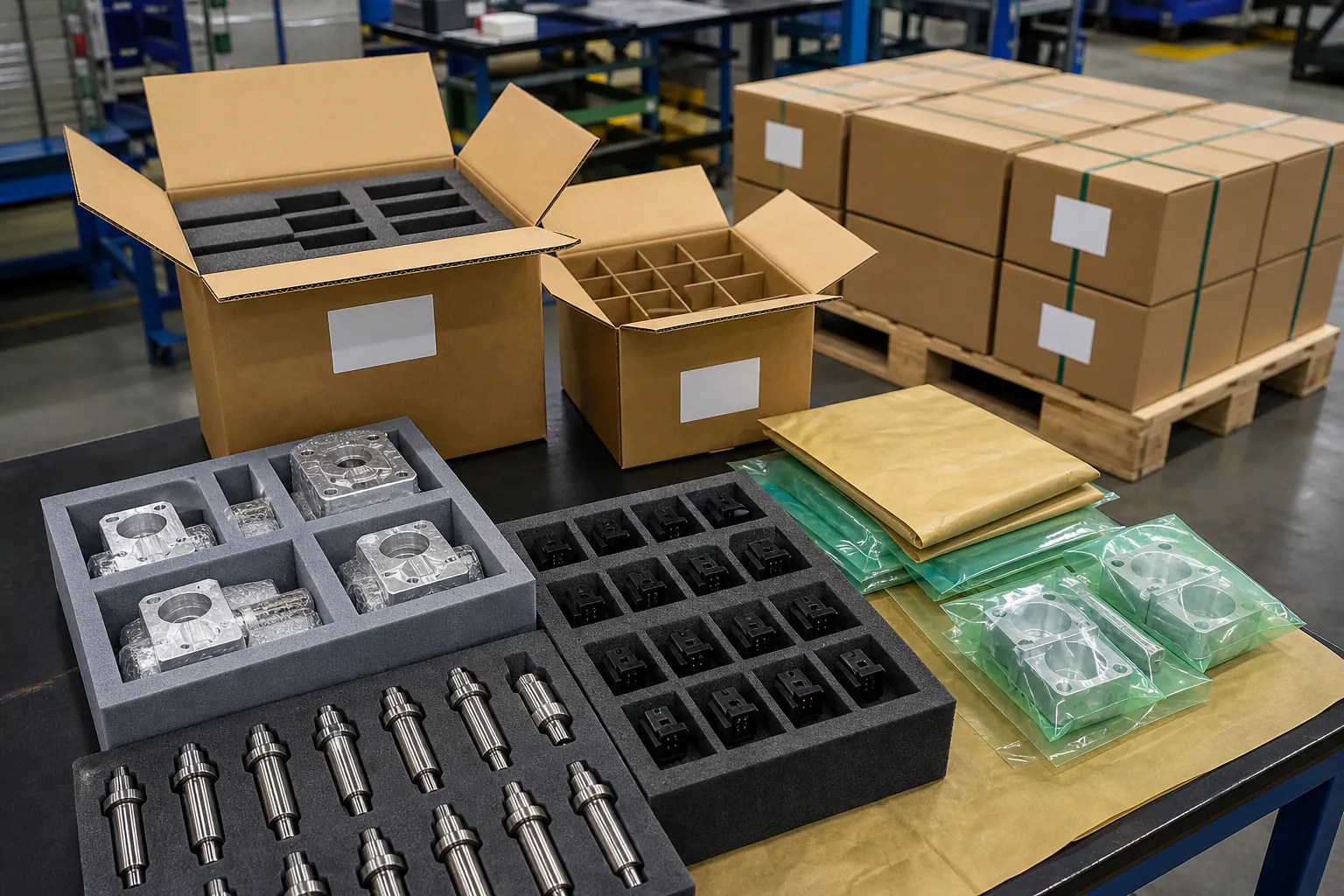
Separate finished parts, protect surfaces and metal, label batches, and prepare export packaging.
Manufacturing specifications
Use these specifications to judge process fit, material fit, quality risk, quote inputs, and delivery expectations without relying on broad marketing claims.
Engineering detail
This section gives search visitors the hard sourcing details that usually matter before sending drawings: process fit, material fit, tolerance, finish, quality risk, quote blockers, and production planning.
What sales will review
Connector bodies and terminal protection covers, Busbar barriers and battery insulation components, Cable glands, guides, clamps, and strain-relief parts, Sensor, control, and outdoor-equipment housings
Creepage, clearance, and minimum-wall geometry, Insert molding, terminal retention, and assembly access, Seal grooves, shutoffs, weld lines, and dimensional shrinkage, Gate placement away from critical electrical or sealing interfaces
Rated or reinforced resin, Insert molding and tool actions, Sealing geometry and dimensional control, Validation samples, documents, and annual demand
Exact resin and color traceability when requested, Insert position and connector-fit inspection, Sealing and assembly dimensions, Buyer-defined material, environmental, or electrical validation records
Upload CAD files, PDF drawings, product photos, material notes, quantity, tolerance, finish, delivery target, and any existing supplier specifications.
Sales and engineering review process fit, material, tolerance, quantity, finish, application, delivery needs, and uploaded files before preparing the quotation.
Yes. Early RFQs can use product photos, rough drawings, samples, or BOM files. Final pricing becomes more accurate when CAD and detailed drawings are available.
Typical projects include Connector bodies and terminal protection covers, Busbar barriers and battery insulation components, Cable glands, guides, clamps, and strain-relief parts, Sensor, control, and outdoor-equipment housings. Final process selection depends on the drawing, material, quantity, and functional requirements.
Exact resin and color traceability when requested; Insert position and connector-fit inspection; Sealing and assembly dimensions; Buyer-defined material, environmental, or electrical validation records. State the required inspection and documentation scope in the RFQ rather than assuming it is included.
Upload drawings, product photos, material requirements, quantity, target price, tolerance, finish, and delivery expectations so sales can review the project.
Start RFQ