Manufacturing specifications
Supplier-fit checklist for injection molding for robotics components
Use these specifications to judge process fit, material fit, quality risk, quote inputs, and delivery expectations without relying on broad marketing claims.
Typical parts
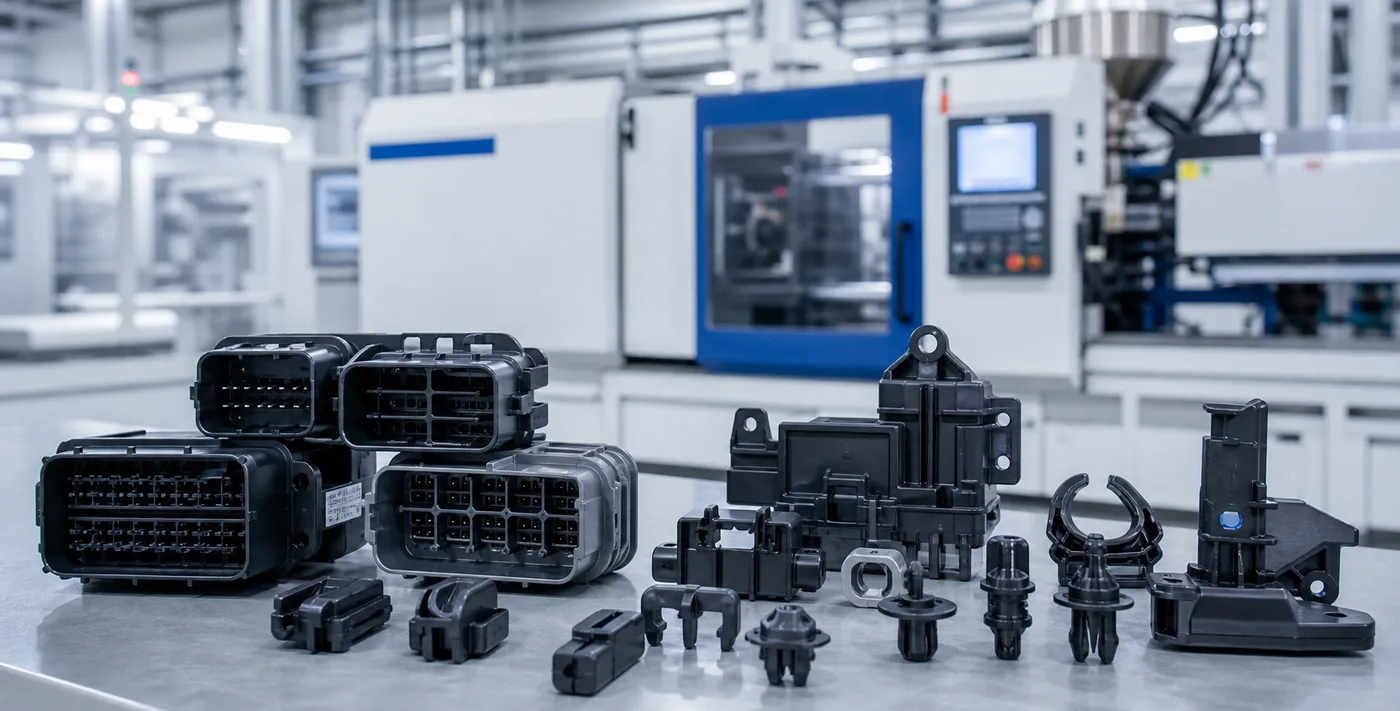
Controller, drive, sensor, camera, and motor housings; Cable guides, energy-chain links, clips, strain reliefs, and connector covers; End-effector fingers, vacuum-cup carriers, gripper covers, and lightweight brackets; Machine guards, access covers, knobs, wear guides, and service components
Material guidance
ABS or PC/ABS for suitable protected housings and cosmetic covers; PA66, reinforced nylon, POM, or other engineering plastics for loaded, wear, or moving parts; Flame, ESD, UV, chemical, or heat requirements must be tied to an exact resin grade; Compare molded resin with machined plastic, 3D printing, or metal where volume and loads do not justify tooling
Process review
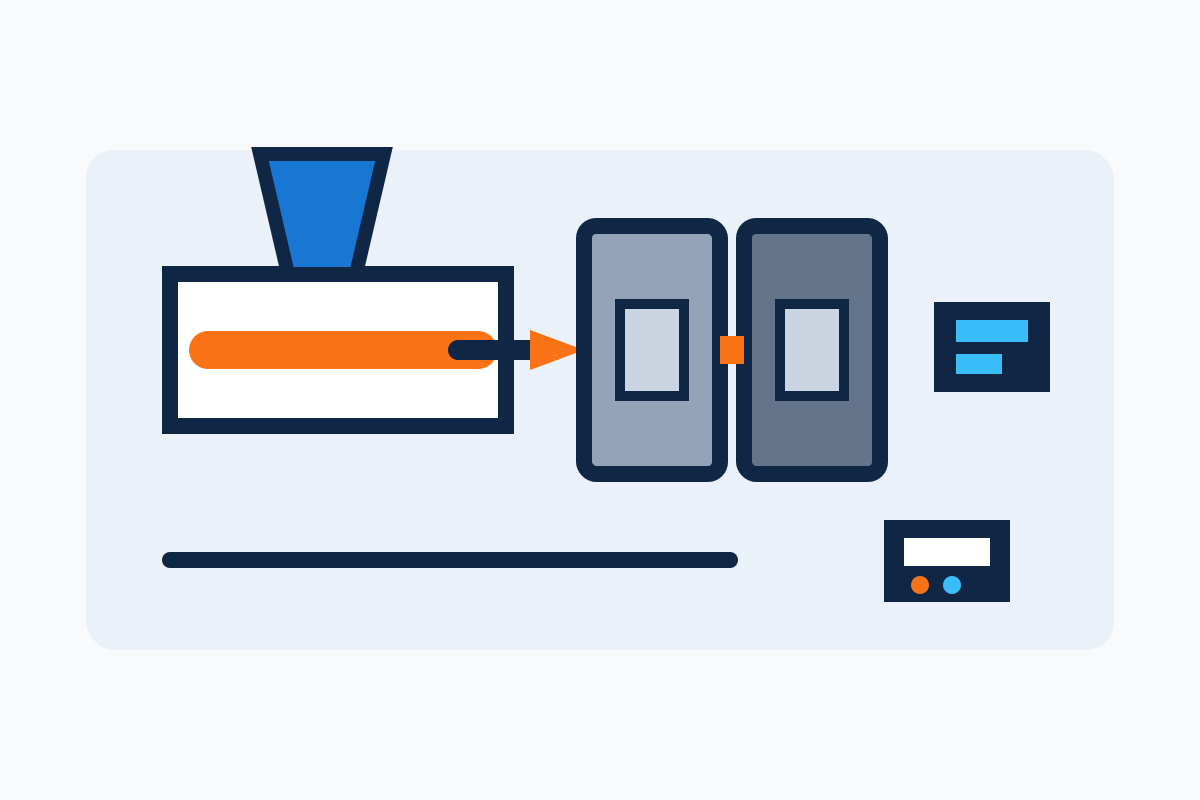
Boss, insert, snap, hinge, bearing, and cable-retention geometry; Uniform walls, ribs, draft, gate, weld line, ejector, and warp strategy; Mating datums for sensors, encoders, covers, and moving clearances; Insert loading, automation, cavity count, and part handling after molding
Quality definition
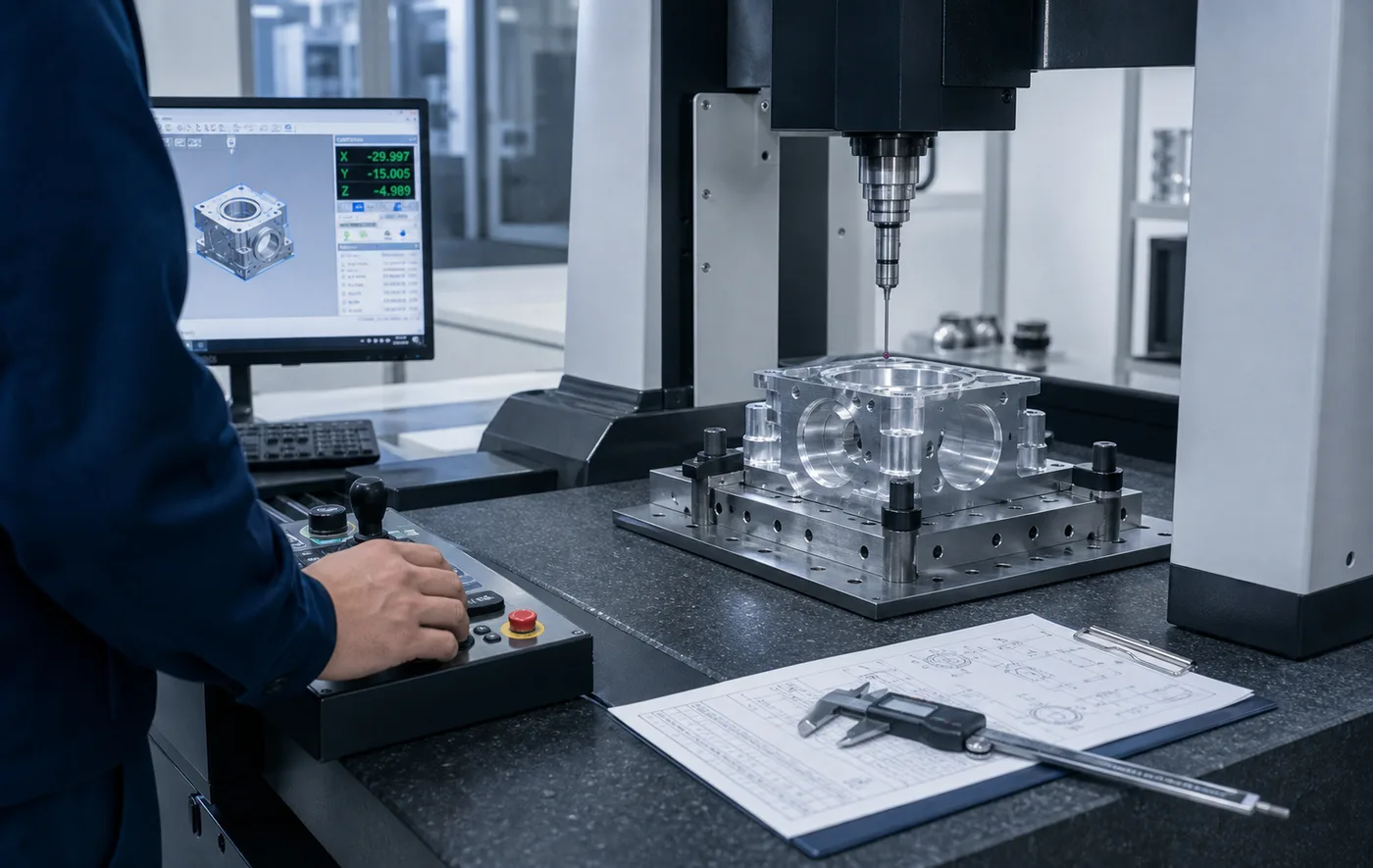
Assembly fit through the robot's motion and service envelope; Sensor, bearing, fastener, and connector interface inspection; Material, color, texture, cavity, and revision identification; Functional cycle, load, chemical, or ESD validation only to buyer-defined methods
Cost and lead time
Tool complexity, sliders, lifters, inserts, and cavity count; Low annual demand relative to tooling investment; High-performance resin, cosmetic texture, and color control; Functional fixtures, insert molding, assembly, and protective packaging
RFQ package
Part and robot assembly STEP files; Load, motion, temperature, chemical, and ESD context; Insert, fastener, cable, sensor, and cosmetic requirements; Prototype plan, annual demand, and functional test criteria