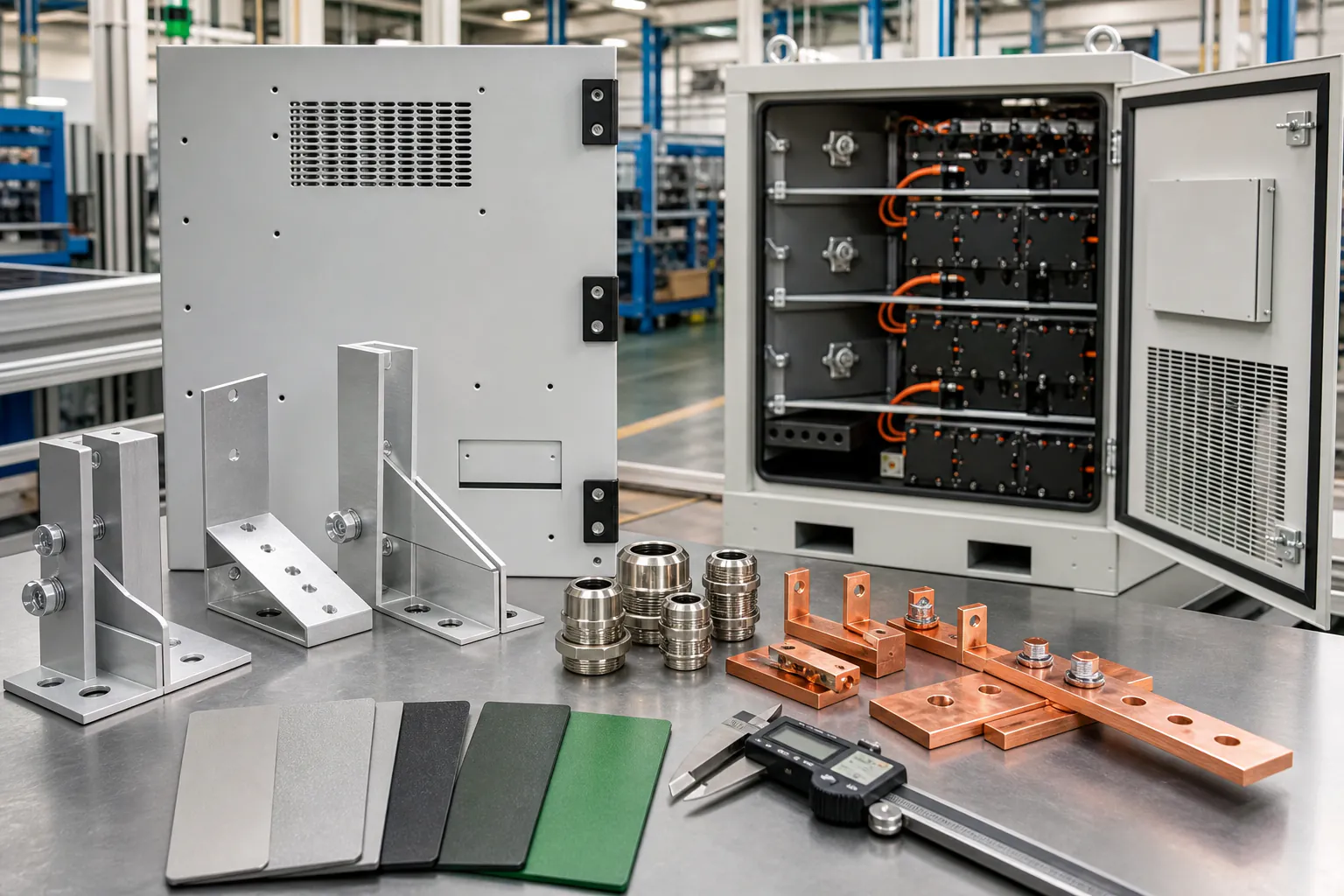
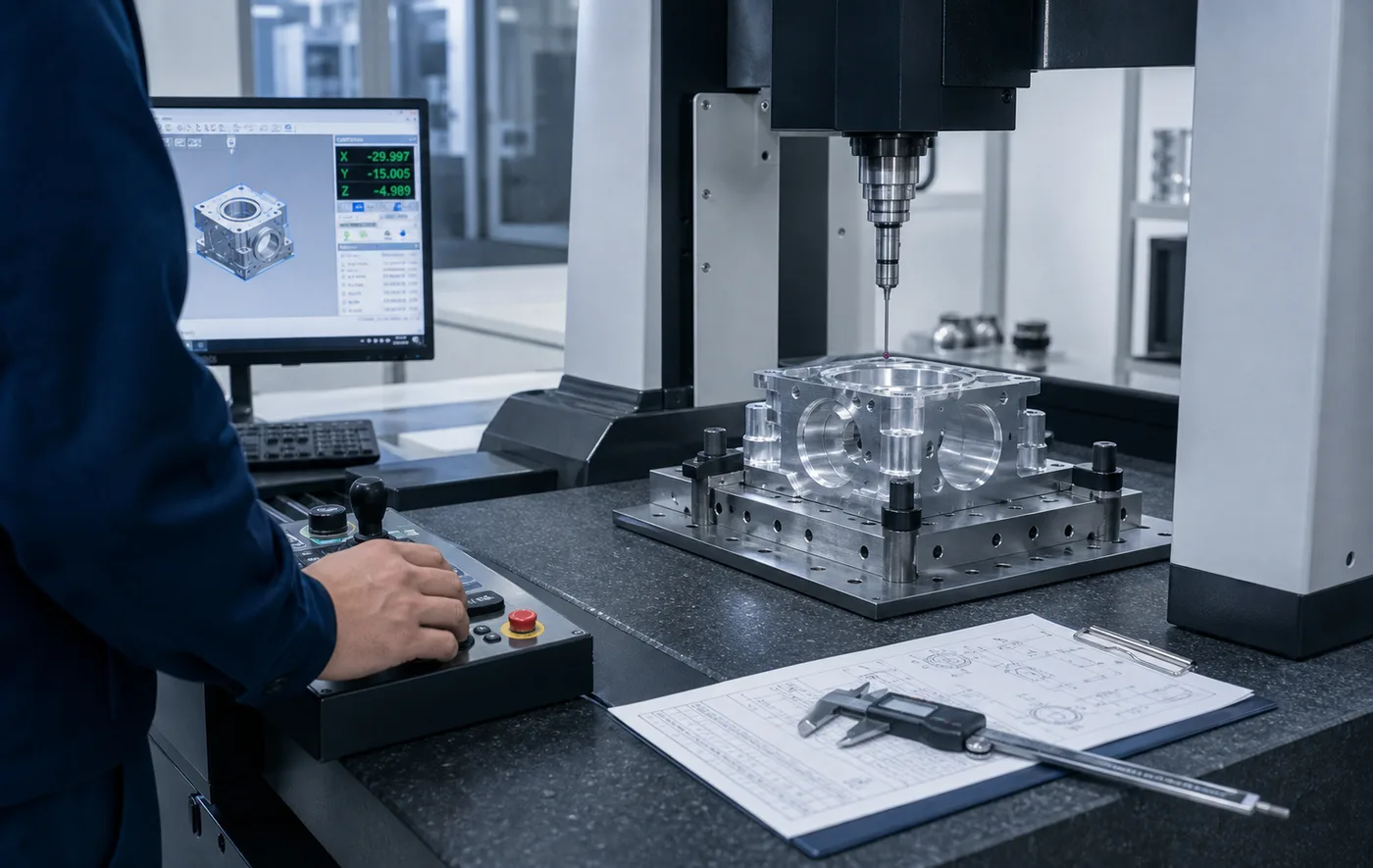
Energy-system stampings should be sourced as functional electrical or structural components, not generic sheet-metal shapes. The buyer remains responsible for current, temperature-rise, insulation, and system validation; the manufacturing RFQ should translate those decisions into material, thickness, contact zones, geometry, plating, burr, flatness, and inspection requirements.
1. Which surfaces carry current, transfer heat, or make contact?
2. What alloy, temper, thickness, and plating are mandatory?
3. Where must burr direction, flatness, and insulation clearance be controlled?
4. What annual volume and product life justify production tooling?