Manufacturing specifications
Supplier-fit checklist for precision metal stamping for medical device parts
Use these specifications to judge process fit, material fit, quality risk, quote inputs, and delivery expectations without relying on broad marketing claims.
Typical parts
Retaining clips, springs, latches, brackets, and instrument mechanisms; Electrical contacts, battery tabs, shields, and sensor components; Washers, shims, spacers, blades or blade blanks, and fluid-device parts; Small drawn housings, covers, sleeves, carriers, and stamped subassemblies
Material guidance
Stainless steel grades and tempers selected to the buyer's corrosion, spring, forming, and sterilization needs; Copper alloys for buyer-approved conductive or spring-contact components; Titanium, specialty alloys, or coated materials only where qualified capability and documentation are confirmed; Material substitutions, mill source, finish, and lubricant controls require buyer approval
Process review
Strip layout, carrier, grain direction, forming sequence, springback, and slug control; Burr direction, edge break, shear condition, coined areas, and contact surfaces; Progressive, transfer, fourslide, laser-cut prototype, or hybrid route by geometry and volume; Tool sensors, in-die operations, cleaning, passivation, assembly, and packaging sequence
Quality definition
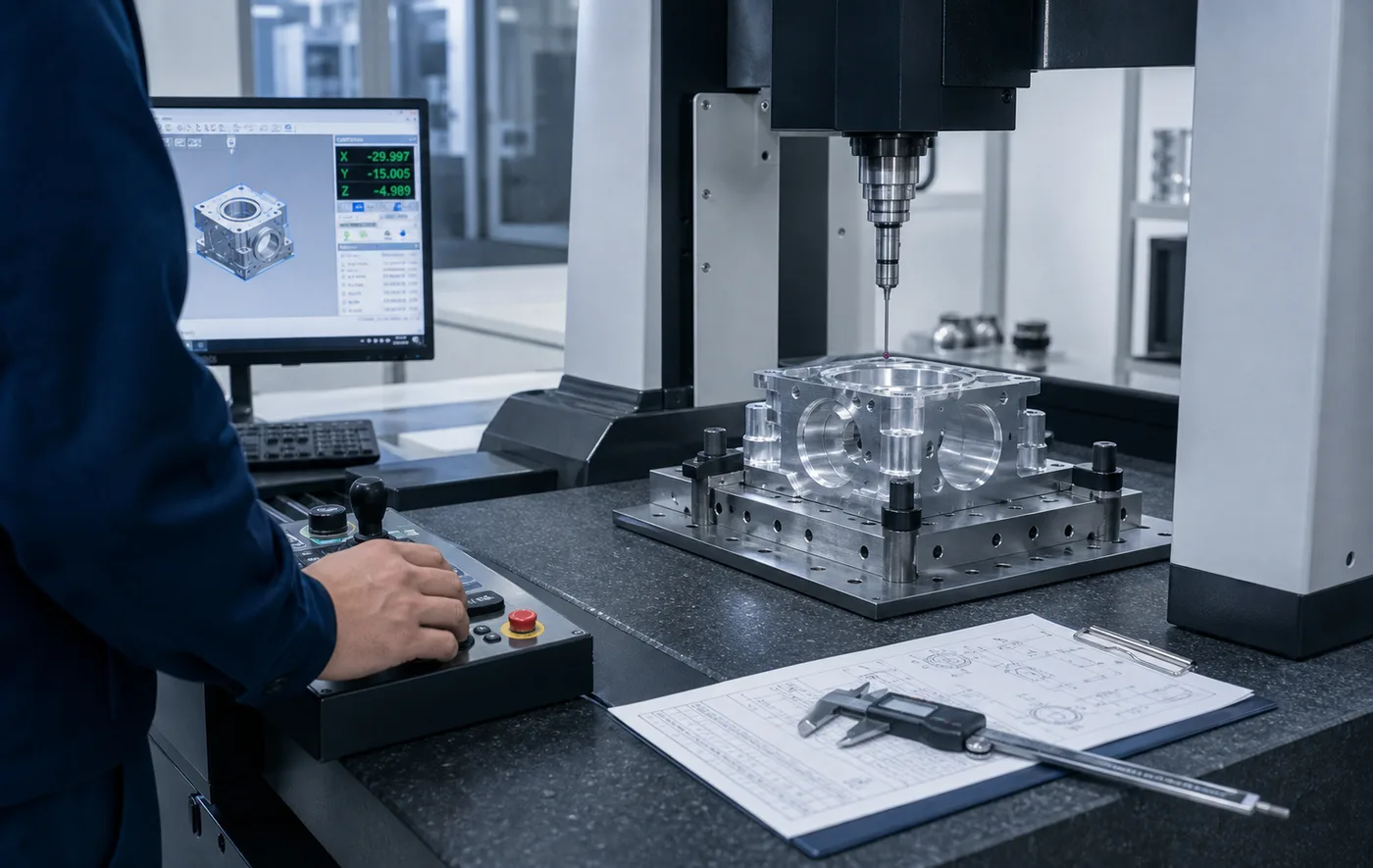
Critical dimensions, edges, burr height, form, and functional spring behavior; Material lot and process traceability to buyer requirements; Inspection method, gauge correlation, sampling, and validation records; Cleanliness, passivation, packaging, and bioburden controls only to an approved specification
Cost and lead time
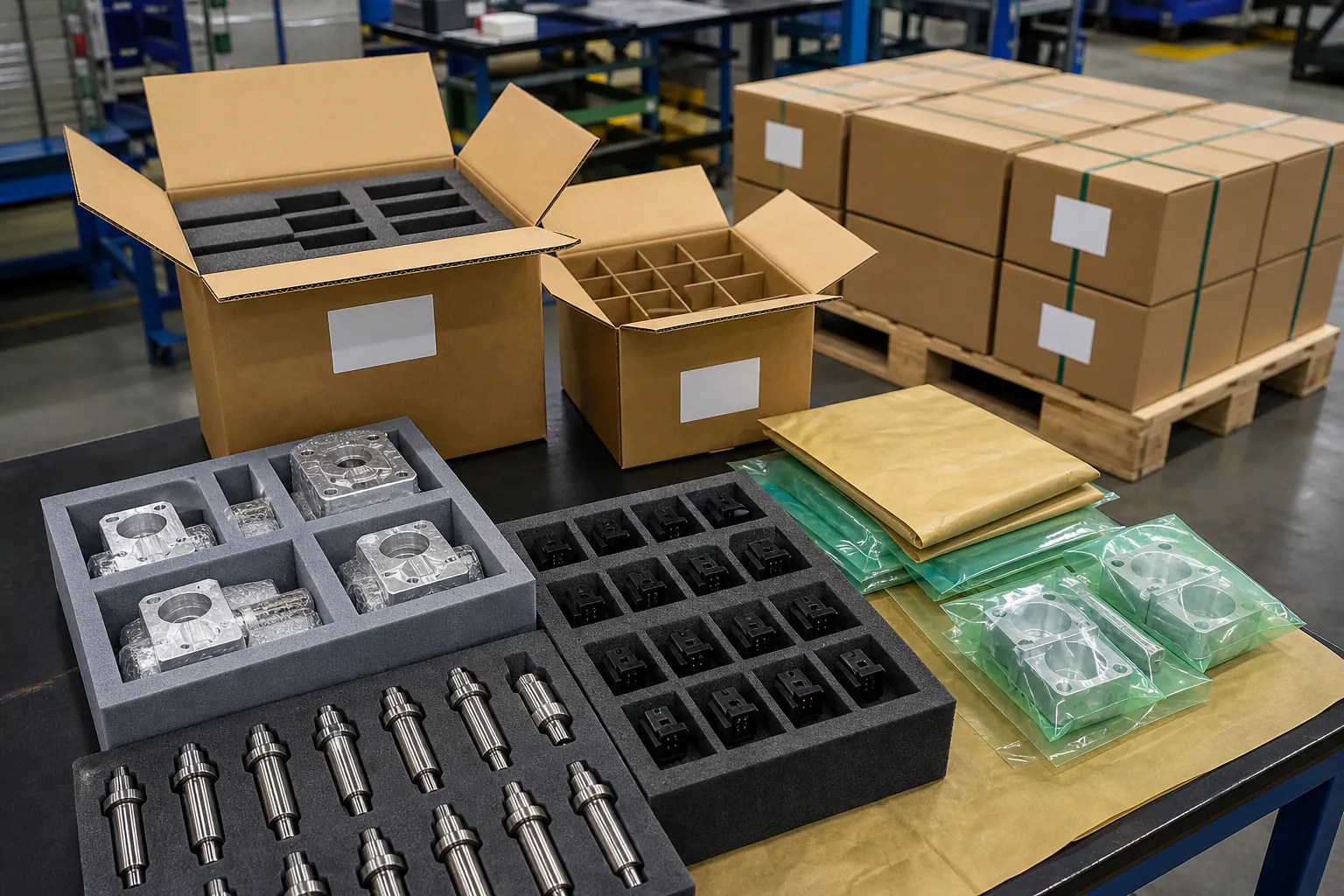
Tool complexity, strip use, small features, and material thickness; Special alloy, temper, edge, or surface requirements; Inspection fixtures, validation runs, studies, and documentation; Cleaning, passivation, controlled handling, assembly, and packaging
RFQ package
Controlled drawing, 3D model, and assembly context; Material specification, thickness, temper, and grain direction; Burr, edge, cleanliness, traceability, and packaging requirements; Annual demand, tooling plan, inspection, validation, and supplier-approval scope