
Typical parts and applications
- Diagnostic and laboratory equipment enclosures
- Instrument panels, bezels, and internal frames
- Medical carts, trays, shelves, and access panels
- Protective covers, brackets, and equipment bases
sheet metal fabrication for medical devices
Sheet metal fabrication for medical device enclosures, instrument panels, carts, trays, covers, cleanable surfaces, inspection, and supplier RFQs.
Industry
Medical
Manufacturing route
Sheet Metal Fabrication
Application
Device Enclosures, Instrument Panels, Carts, Trays, and Covers
Quote input
STEP assembly and fabrication drawings, Material, thickness, and surface finish, Cosmetic, cleaning, and edge requirements, Documentation and inspection expectations
Main decision
Which surfaces are visible, touched, or cleaned?
Review the manufacturing route, required files, quality controls, and delivery expectations before sending drawings.
Industry manufacturing guide
Medical-device sheet-metal work should be sourced by intended use and supplier requirements rather than appearance alone. Enclosures and carts may need smooth cleanable surfaces, safe edges, controlled gaps, reliable hardware, and program-specific documentation. The buyer should state any regulatory, quality-system, cleanliness, or validation obligation instead of assuming it is included.
Industry-specific sourcing decisions
Medical-device sheet-metal work should be sourced by intended use and supplier requirements rather than appearance alone. Enclosures and carts may need smooth cleanable surfaces, safe edges, controlled gaps, reliable hardware, and program-specific documentation. The buyer should state any regulatory, quality-system, cleanliness, or validation obligation instead of assuming it is included.
Product to delivery chain
Confirm supplier fit, process fit, material or application fit, quality risk, quote inputs, and delivery expectations before committing to production.
Connect Medical requirements to real products, materials, and quality risks.
Review whether Sheet Metal Fabrication fits the part geometry, tolerance, material, and volume.
Confirm tolerance, finish, inspection notes, certification, packaging, and delivery expectations.
Upload files and project details so sales and engineering can review the request and prepare a quotation.
Prototype to production
A practical sourcing project starts with the requirement, confirms manufacturability, reviews samples, prepares the quotation, and then moves toward production and delivery.
Clarify Device Enclosures, Instrument Panels, Carts, Trays, and Covers, drawings, application, material, quantity, and target delivery.
Check whether Sheet Metal Fabrication is suitable or whether another process is better.
Confirm quote drivers, tooling or setup, sample needs, inspection notes, and packaging.
Move approved parts into repeatable production, quality inspection, and export delivery.
Visual manufacturing path
Use the image chain to understand how drawings become a reviewed process, an application-ready part, an inspection plan, and protected delivery.

Review CAD, dimensions, material, tolerance, finish, and missing quotation inputs.

Connect the approved requirement to a practical machining, fabrication, molding, casting, stamping, or printing route.
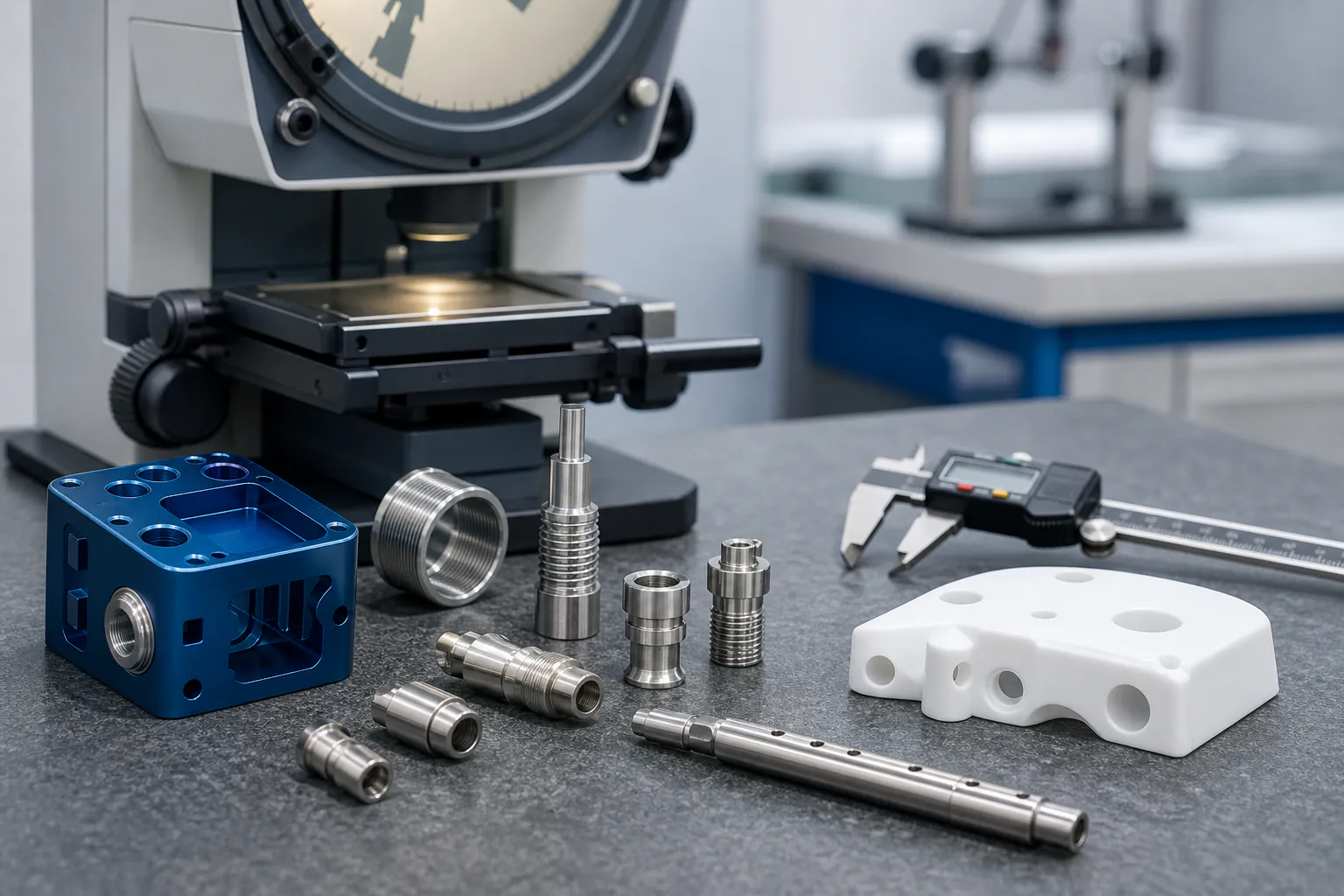
Connect precision parts to instrument, diagnostic, housing, and device-component applications.
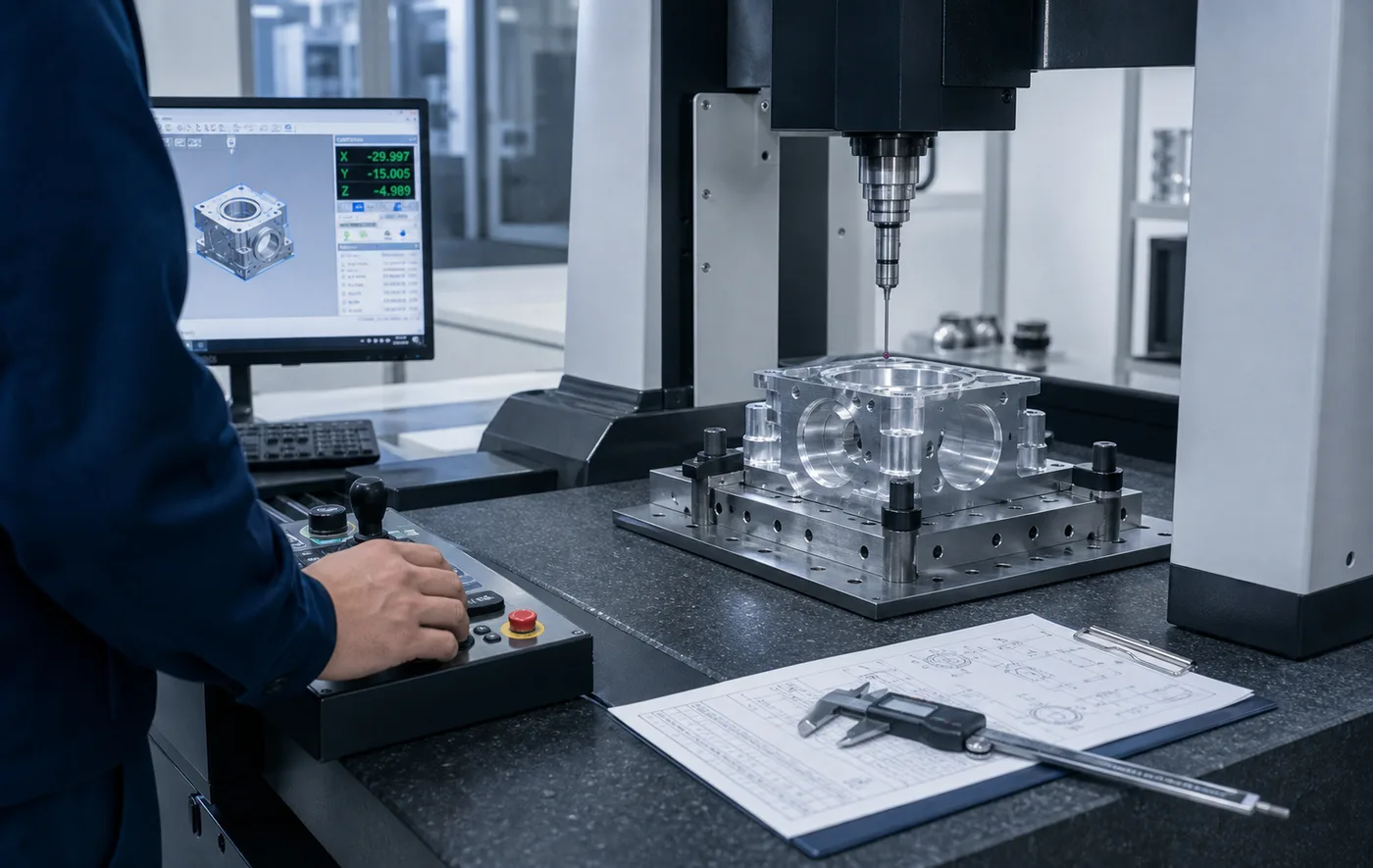
Plan dimensional inspection, critical features, surface checks, and supporting documentation.
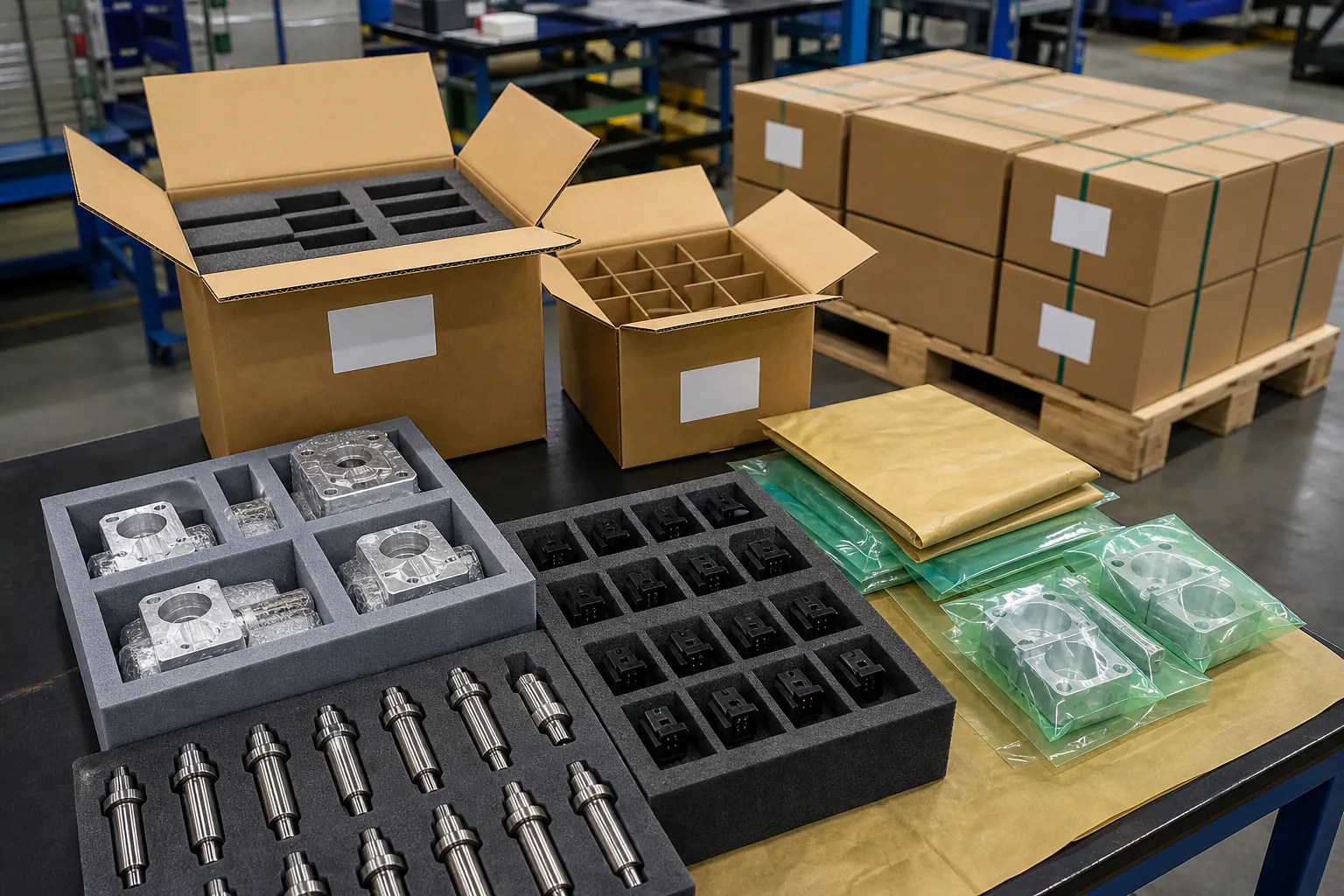
Separate finished parts, protect surfaces and metal, label batches, and prepare export packaging.
Manufacturing specifications
Use these specifications to judge process fit, material fit, quality risk, quote inputs, and delivery expectations without relying on broad marketing claims.
Engineering detail
This section gives search visitors the hard sourcing details that usually matter before sending drawings: process fit, material fit, tolerance, finish, quality risk, quote blockers, and production planning.
What sales will review
Diagnostic and laboratory equipment enclosures, Instrument panels, bezels, and internal frames, Medical carts, trays, shelves, and access panels, Protective covers, brackets, and equipment bases
Hemmed or rounded edge strategy, Weld access, grinding, and cleanable corner design, Door, hinge, latch, and inserted-hardware alignment, Brushing, passivation, powder coating, and protected assembly sequence
Stainless material and finish grade, Weld finishing and cosmetic surface work, Assembly hardware and functional checks, Documentation, cleaning, and protective packaging
Gap, flush, door, and hardware function checks, Cosmetic zones and finish acceptance criteria, Sharp-edge, burr, weld, and cleanability review, Material and inspection documentation when specified
Upload CAD files, PDF drawings, product photos, material notes, quantity, tolerance, finish, delivery target, and any existing supplier specifications.
Sales and engineering review process fit, material, tolerance, quantity, finish, application, delivery needs, and uploaded files before preparing the quotation.
Yes. Early RFQs can use product photos, rough drawings, samples, or BOM files. Final pricing becomes more accurate when CAD and detailed drawings are available.
Typical projects include Diagnostic and laboratory equipment enclosures, Instrument panels, bezels, and internal frames, Medical carts, trays, shelves, and access panels, Protective covers, brackets, and equipment bases. Final process selection depends on the drawing, material, quantity, and functional requirements.
Gap, flush, door, and hardware function checks; Cosmetic zones and finish acceptance criteria; Sharp-edge, burr, weld, and cleanability review; Material and inspection documentation when specified. State the required inspection and documentation scope in the RFQ rather than assuming it is included.
Upload drawings, product photos, material requirements, quantity, target price, tolerance, finish, and delivery expectations so sales can review the project.
Start RFQ