
Typical parts and applications
- Pump, valve, and seal shafts
- Motor, gearbox, conveyor, and drive shafts
- Marine, food-equipment, and washdown shafts
- Stepped pins, spindles, rollers, arbors, and precision axles
stainless steel machined shaft manufacturer
Custom stainless steel machined shafts for pumps, motors, food equipment, marine systems, and industrial drives with turning, grinding, finish, and RFQ guidance.
Industry
Industrial, Marine, Fluid, and Food Equipment
Manufacturing route
CNC Turning and Grinding
Application
Pump, Motor, Conveyor, Marine, and Industrial Drive Shafts
Quote input
Shaft drawing with datums and fits, Stainless grade and material condition, Heat treatment, passivation, and surface requirements, Length, quantity, runout, and inspection scope
Main decision
Which environment, fluid, load, speed, and wear conditions apply?
Review the manufacturing route, required files, quality controls, and delivery expectations before sending drawings.
Material application guide
The correct stainless shaft grade depends on the actual failure risk. Austenitic grades may suit corrosion-focused uses, precipitation-hardening grades may suit higher strength, and martensitic grades may suit selected wear or hardness requirements. The buyer should specify the approved grade and condition rather than asking for generic stainless steel.
Industry-specific sourcing decisions
The correct stainless shaft grade depends on the actual failure risk. Austenitic grades may suit corrosion-focused uses, precipitation-hardening grades may suit higher strength, and martensitic grades may suit selected wear or hardness requirements. The buyer should specify the approved grade and condition rather than asking for generic stainless steel.
Project-specific decision examples
The shaft crosses bearings, an impeller, a coupling, and a seal while contacting fluid. Corrosion resistance is necessary, but journal runout and seal roughness often control performance.
Choose the approved grade from fluid and load, then grind or finish the bearing and seal surfaces from the coupling datum and document runout.
A food or packaging conveyor shaft may face cleaning chemicals, repeated washdown, keys, sprockets, bearings, and exposed surfaces. Crevices and rough transitions can complicate cleaning.
Confirm hygiene and regulatory requirements with the buyer, then define grade, finish, weld-free geometry, threads, keyways, and passivation as required.
A drive shaft may need higher strength, hardness, fatigue resistance, spline or key features, and controlled journals. A common austenitic grade may not meet the mechanical requirement.
Select material and heat-treatment condition from torque and life calculations, then plan straightening, grinding allowance, hardness, and final rotational inspection.
Product to delivery chain
Confirm supplier fit, process fit, material or application fit, quality risk, quote inputs, and delivery expectations before committing to production.
Define Stainless Steel Machined Shafts geometry, function, quantity, and application.
Review whether CNC Turning and Grinding fits the part geometry, tolerance, material, and volume.
Confirm tolerance, finish, inspection notes, certification, packaging, and delivery expectations.
Upload files and project details so sales and engineering can review the request and prepare a quotation.
Prototype to production
A practical sourcing project starts with the requirement, confirms manufacturability, reviews samples, prepares the quotation, and then moves toward production and delivery.
Clarify Stainless Steel Machined Shafts, drawings, application, material, quantity, and target delivery.
Check whether CNC Turning and Grinding is suitable or whether another process is better.
Confirm quote drivers, tooling or setup, sample needs, inspection notes, and packaging.
Move approved parts into repeatable production, quality inspection, and export delivery.
Visual manufacturing path
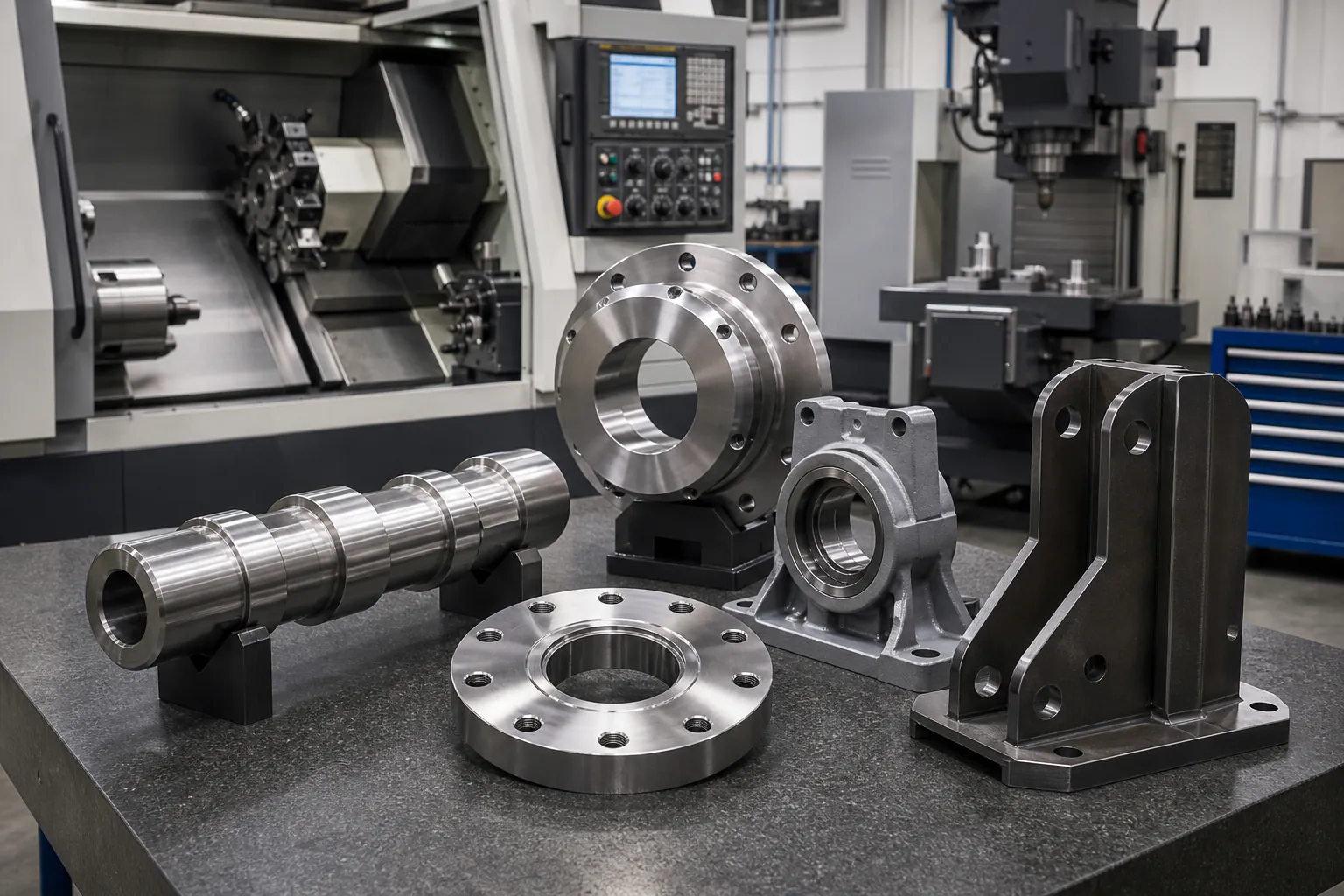
Use the image chain to understand how drawings become a reviewed process, an application-ready part, an inspection plan, and protected delivery.

Review CAD, dimensions, material, tolerance, finish, and missing quotation inputs.
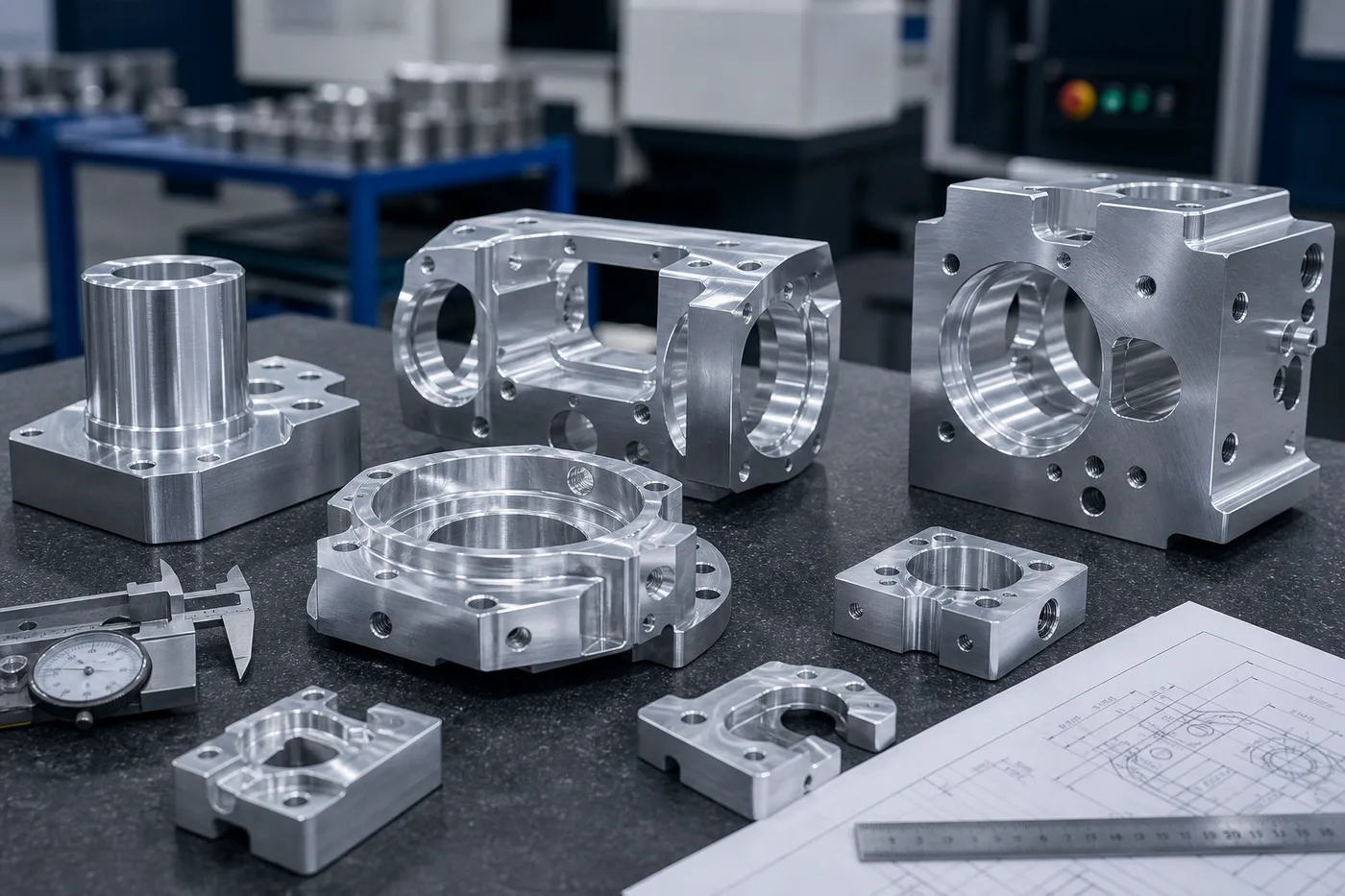
Review the machining route, setup and datum plan, tool access, burr control, secondary operations, and inspection evidence before production.
Connect precision machined shafts, flanges, housings, brackets, and fixtures to industrial OEM applications.
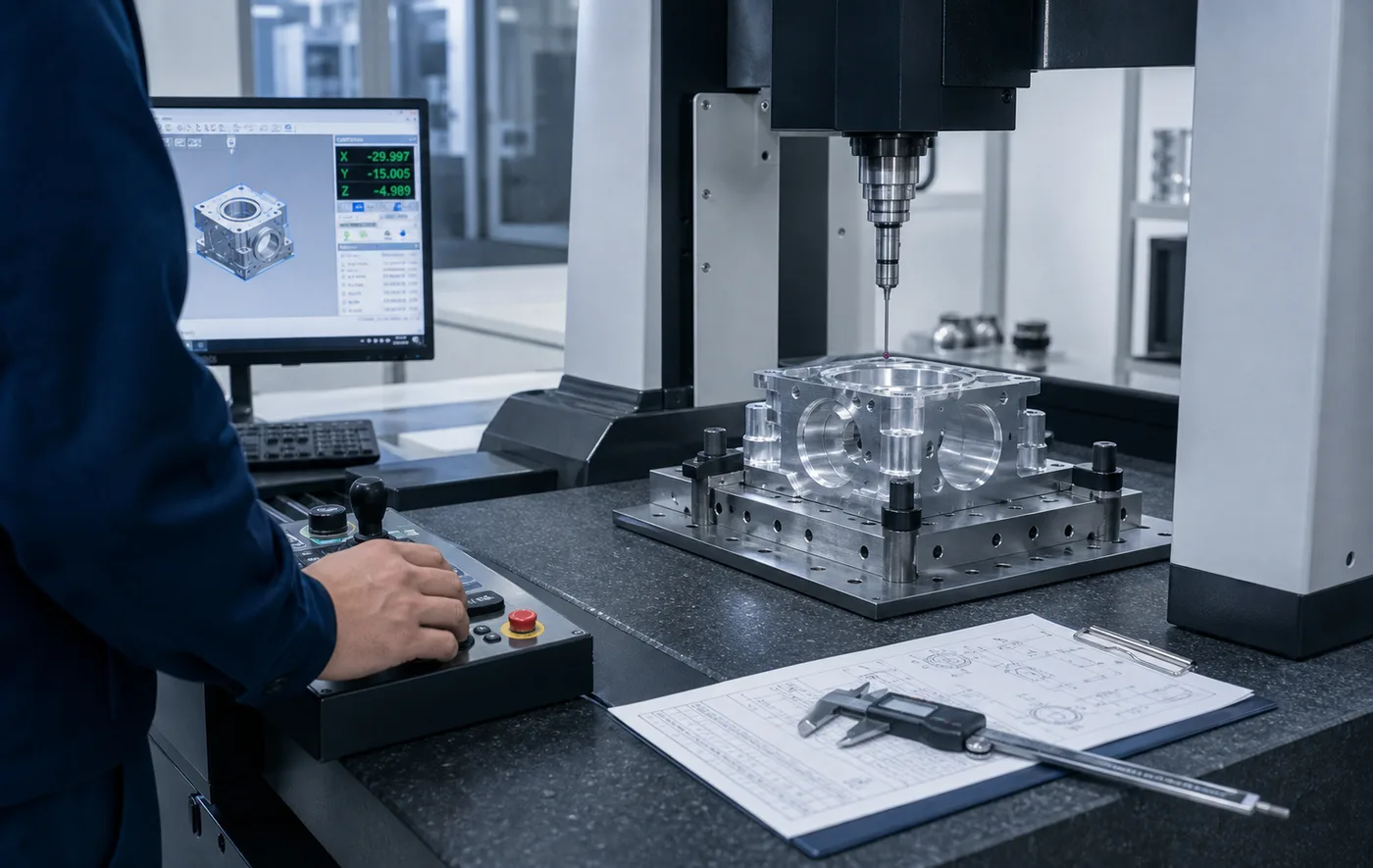
Plan dimensional inspection, critical features, surface checks, and supporting documentation.
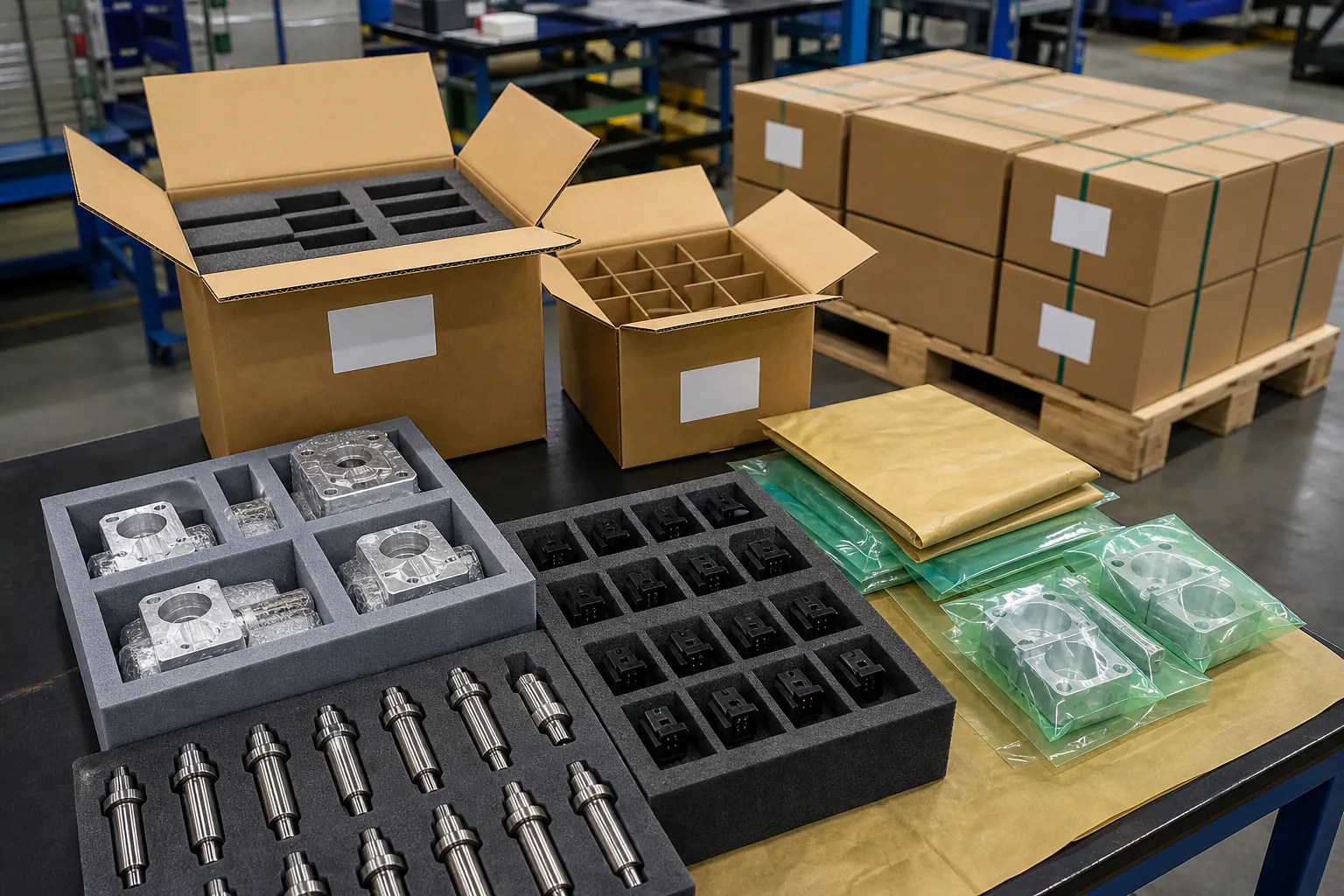
Separate finished parts, protect surfaces and metal, label batches, and prepare export packaging.
Manufacturing specifications
Use these specifications to judge process fit, material fit, quality risk, quote inputs, and delivery expectations without relying on broad marketing claims.
Engineering detail
This section gives search visitors the hard sourcing details that usually matter before sending drawings: process fit, material fit, tolerance, finish, quality risk, quote blockers, and production planning.
What sales will review
Pump, valve, and seal shafts, Motor, gearbox, conveyor, and drive shafts, Marine, food-equipment, and washdown shafts, Stepped pins, spindles, rollers, arbors, and precision axles
Length-to-diameter ratio, steady support, and straightness strategy, Heat-treatment movement and grinding allowance, Bearing journals, seal finishes, keyways, splines, and thread transitions, Passivation, polishing, coating, and protection of finished surfaces
Grade, condition, and raw-bar diameter, Length, slenderness, and support requirements, Heat treatment, straightening, and precision grinding, Tight runout, surface finish, inspection records, and packaging
Diameter, taper, roundness, runout, and concentricity, Surface roughness on bearings and seals, Hardness and material condition when specified, Thread, keyway, spline, passivation, and packaging inspection
Upload CAD files, PDF drawings, product photos, material notes, quantity, tolerance, finish, delivery target, and any existing supplier specifications.
Sales and engineering review process fit, material, tolerance, quantity, finish, application, delivery needs, and uploaded files before preparing the quotation.
An early review can use lawful product photos, rough drawings, samples, or BOM files. A firm quotation still depends on controlled technical files, resolved requirements, eligible supplier evidence, and a current written scope.
Typical projects include Pump, valve, and seal shafts, Motor, gearbox, conveyor, and drive shafts, Marine, food-equipment, and washdown shafts, Stepped pins, spindles, rollers, arbors, and precision axles. Final process selection depends on the drawing, material, quantity, and functional requirements.
Diameter, taper, roundness, runout, and concentricity; Surface roughness on bearings and seals; Hardness and material condition when specified; Thread, keyway, spline, passivation, and packaging inspection. State the required inspection and documentation scope in the RFQ rather than assuming it is included.
Upload drawings, product photos, material requirements, quantity, target price, tolerance, finish, and delivery expectations so sales can review the project.
Start RFQ