Typical parts
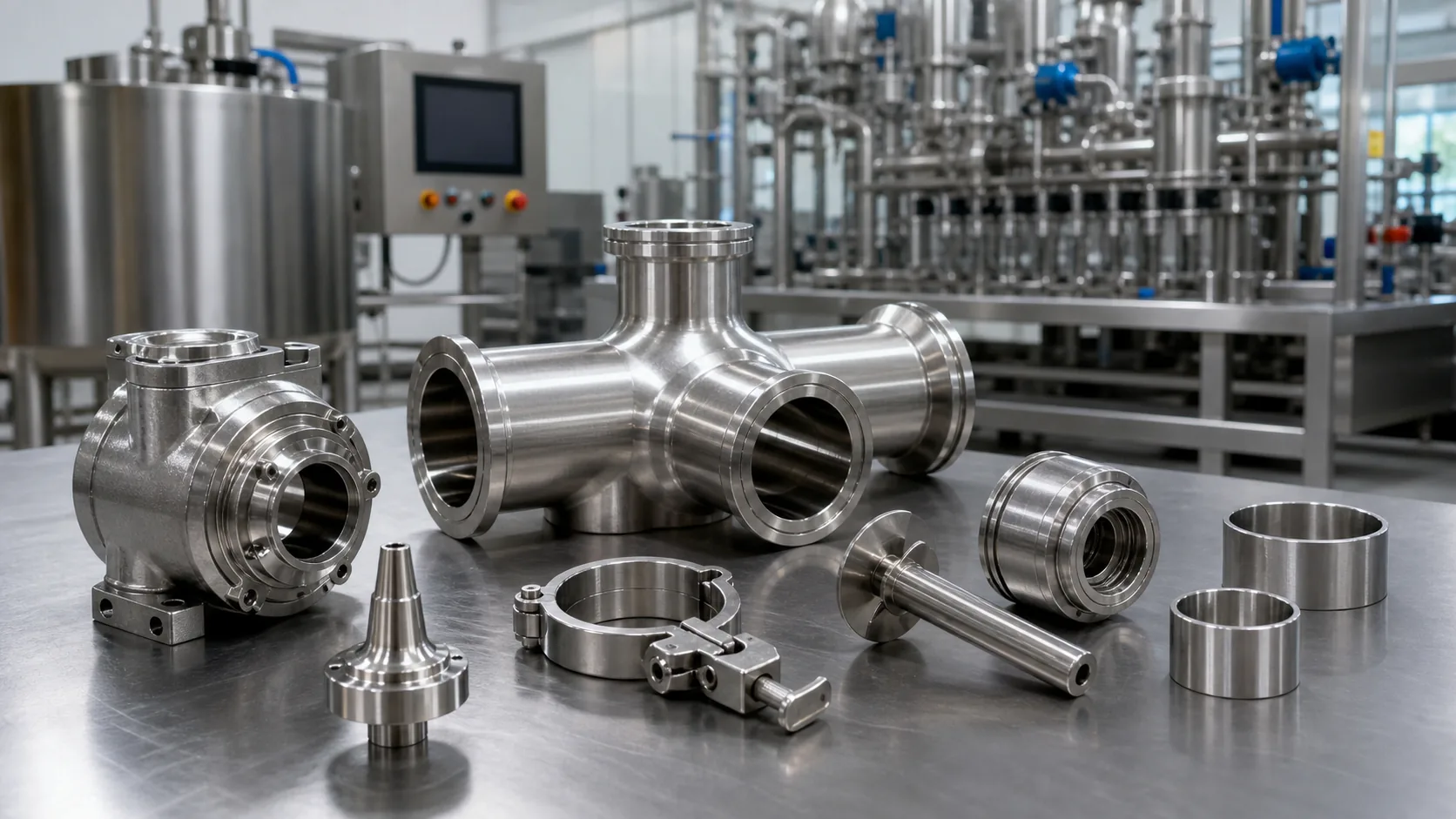
Filling and dosing nozzles, distribution manifolds, valve bodies, pump components, flow blocks, sleeves, and sanitary fitting interfaces; Mixer and agitator shafts, impellers, hubs, couplings, bearing housings, seal carriers, spacers, and drive components; Filter housings, sampling blocks, transfer fittings, sensor mounts, instrument adapters, clamps, and maintenance tooling; Tablet press, capsule filler, inspection, labeling, and packaging change parts, format tooling, fixtures, and legacy MRO spares
Material guidance
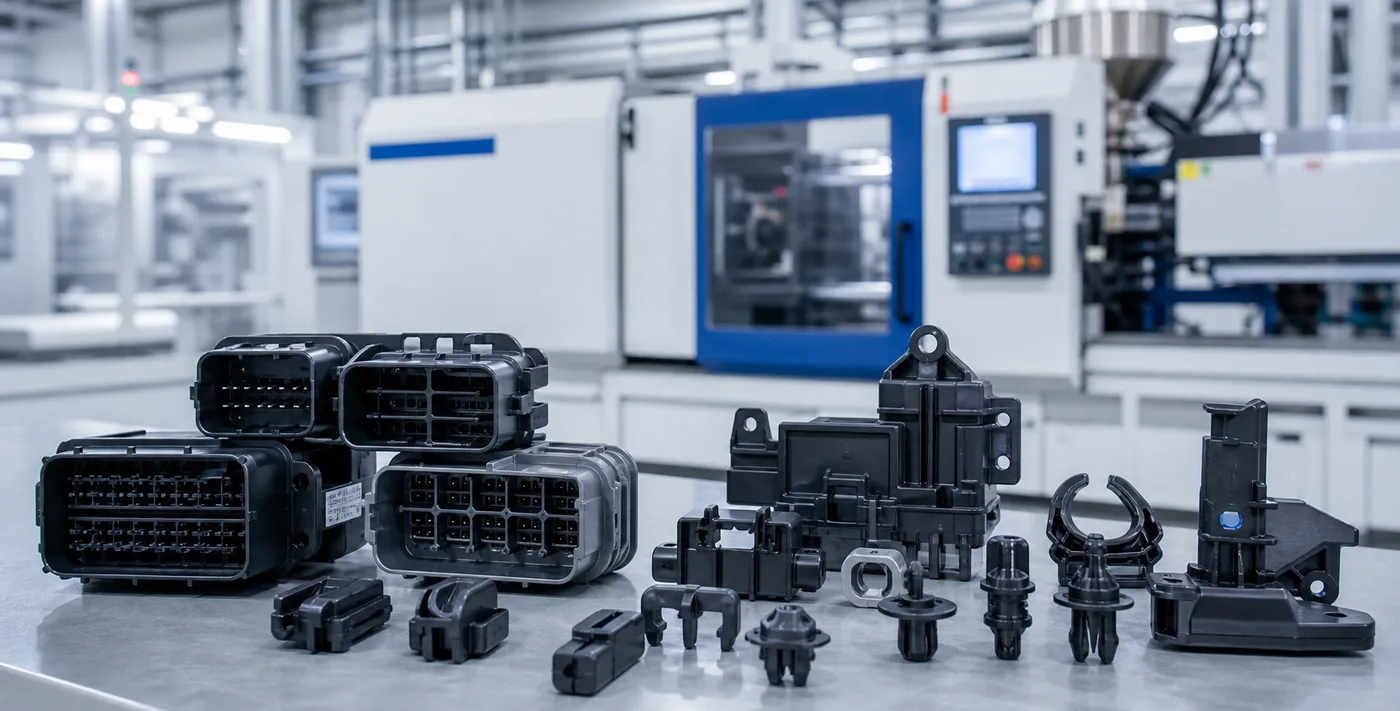
Use the exact approved stainless grade and condition on the drawing; 316L, 316, and 304 must not be treated as interchangeable labels; Select stainless alloy from process chemistry, chloride or solvent exposure, temperature, pressure, joining, corrosion risk, cleaning, and documentation needs; Use PEEK, PTFE, POM, UHMWPE, or another engineering polymer only by exact grade, filler, color, temperature, chemical exposure, and buyer approval; Use Hastelloy, titanium, or another special alloy only when the process specification and corrosion assessment call for that exact material; Avoid generic claims such as medical grade, pharmaceutical grade, GMP compliant, or FDA approved unless a defined requirement and supporting record apply to the exact supplied item
Process review
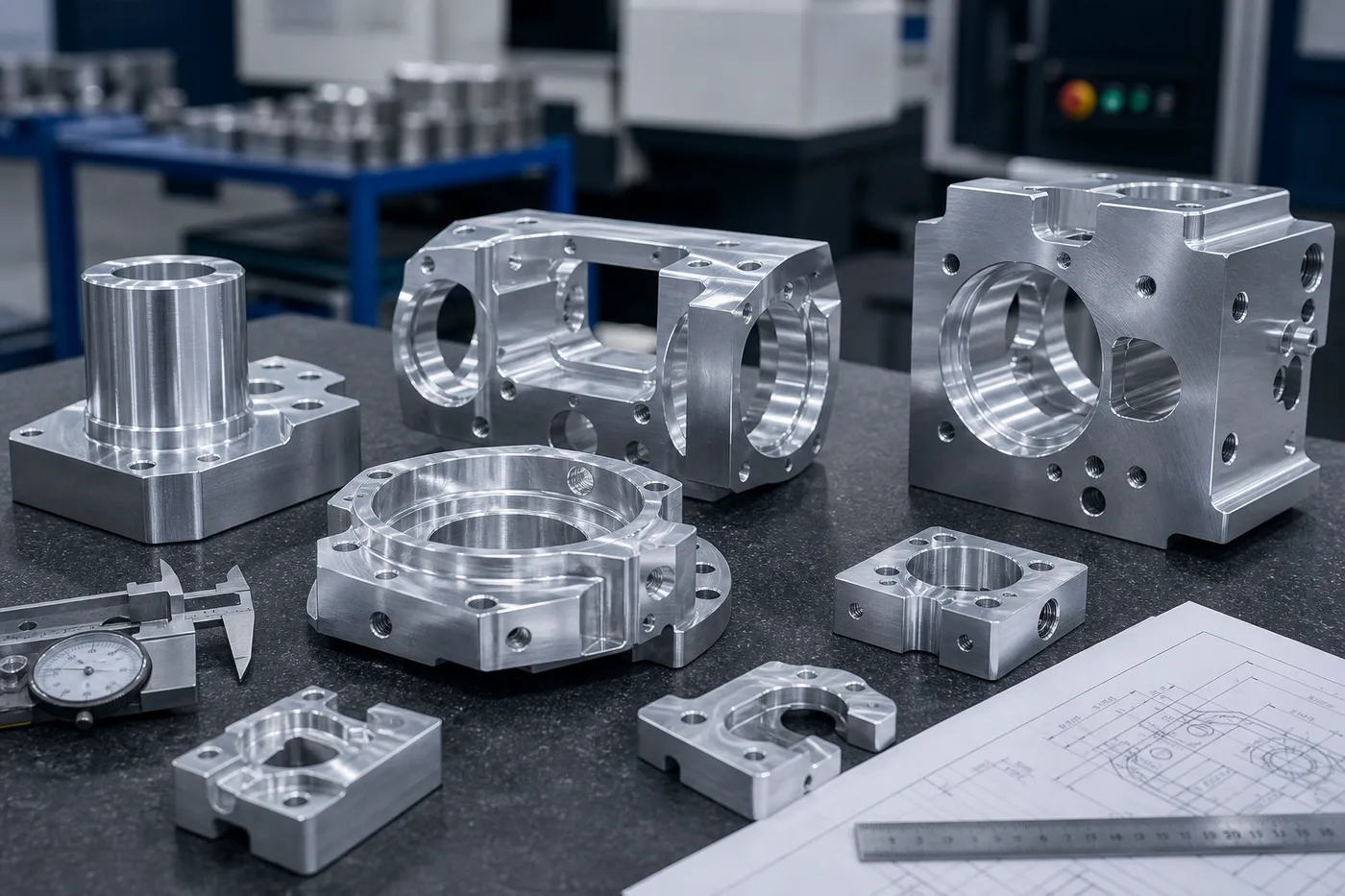
Process flow path, cross-drilled intersections, internal transitions, blind features, dead legs, drainage, venting, and access for cleaning or inspection; Seal grooves, clamp and flange interfaces, seats, bearing fits, shaft runout, impeller position, concentricity, and assembly stack; Machining direction, tool marks, burr removal, edge condition, exposed threads, crevices, roughness location, and roughness measurement method; Passivation, electropolishing, controlled finishing, cleaning, heat treatment, masking, and final dimensional state after every secondary operation; Reverse-engineered spare decisions separated into measured sample facts, observed wear or repair, buyer-approved assumptions, and equipment-trial evidence
Quality definition
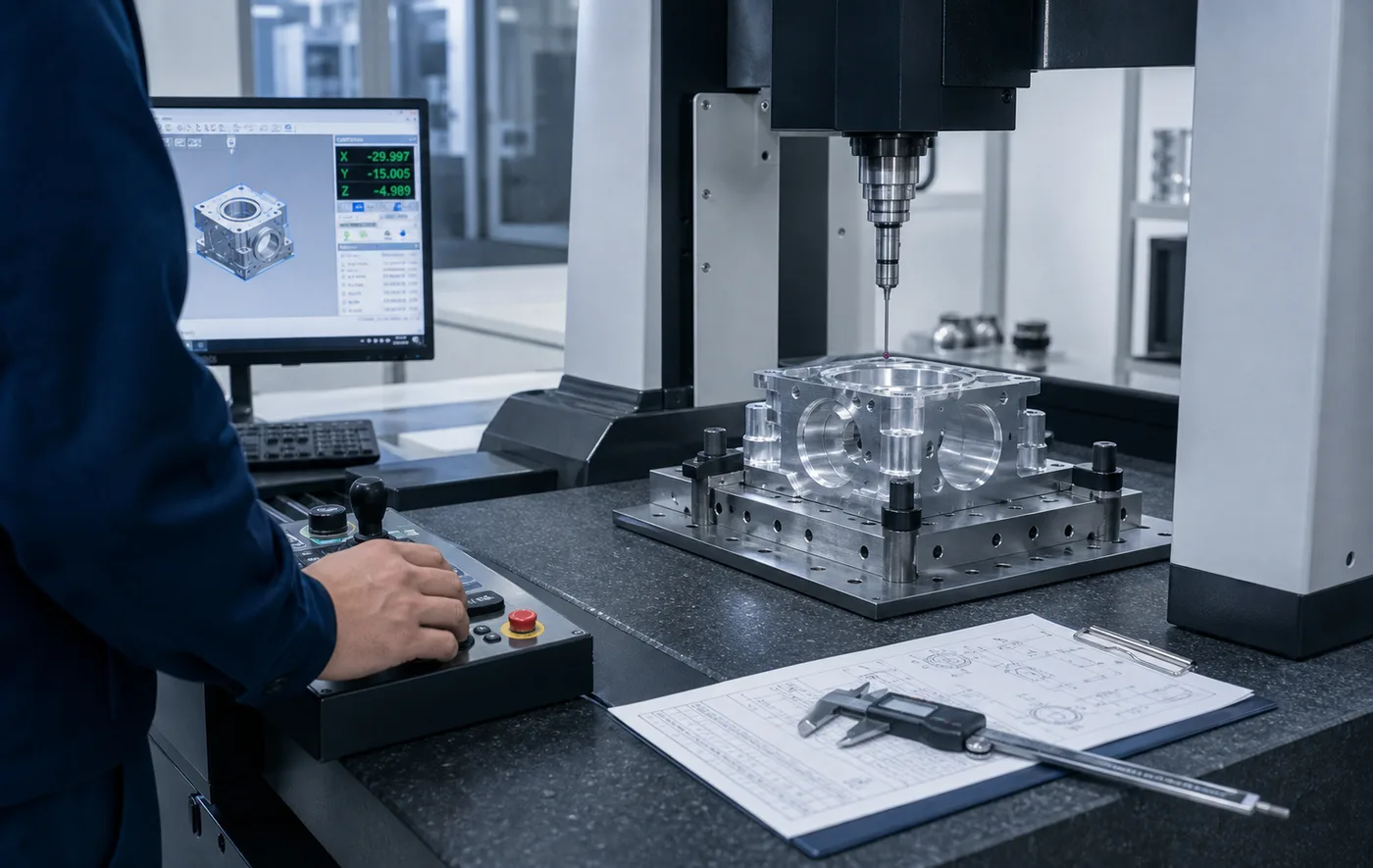
Material certificates, heat or lot traceability, part identification, revision control, and substitution approval matched to the RFQ; Critical dimensions, seal and bearing interfaces, runout, position, profile, flow features, and assembly relationships inspected from functional datums; Surface roughness, passivation, electropolishing, cleaning, and special-process records supplied only to stated acceptance criteria; Internal passages, intersecting holes, threads, grooves, and cavities controlled for burrs, retained chips, visible residue, and inspection access; Cleaning validation, sterilization validation, process performance, equipment qualification, and regulatory release completed under the buyer's quality system
Cost and lead time
Special alloy, certified stock condition, heat or lot traceability, serialization, documentation package, and low-volume material purchasing; Deep bores, internal passages, intersecting flow paths, thin walls, long shafts, fine seal geometry, and restricted tool access; Tight runout, sealing dimensions, broad profile or flatness, controlled roughness, difficult internal inspection, and documented reporting; Passivation, electropolishing, polishing, controlled cleaning, protected handling, special packaging, and validation samples; Urgent line-down spares, reverse engineering, mixed change-part kits, buyer trials, revisions, and repeat-stock controls
RFQ package
STEP model, controlled 2D drawing, assembly or P&ID reference, and a marked product or process flow-path view; Product, API, excipient, buffer, solvent, or utility category; temperature, pressure, and CIP, SIP, or manual cleaning conditions; Exact material grade, roughness or finish, passivation or electropolishing, traceability, critical features, and reporting requirements; Prototype and production quantity, validation plan, inspection scope, line-downtime target, delivery country, and protective packaging