Typical parts
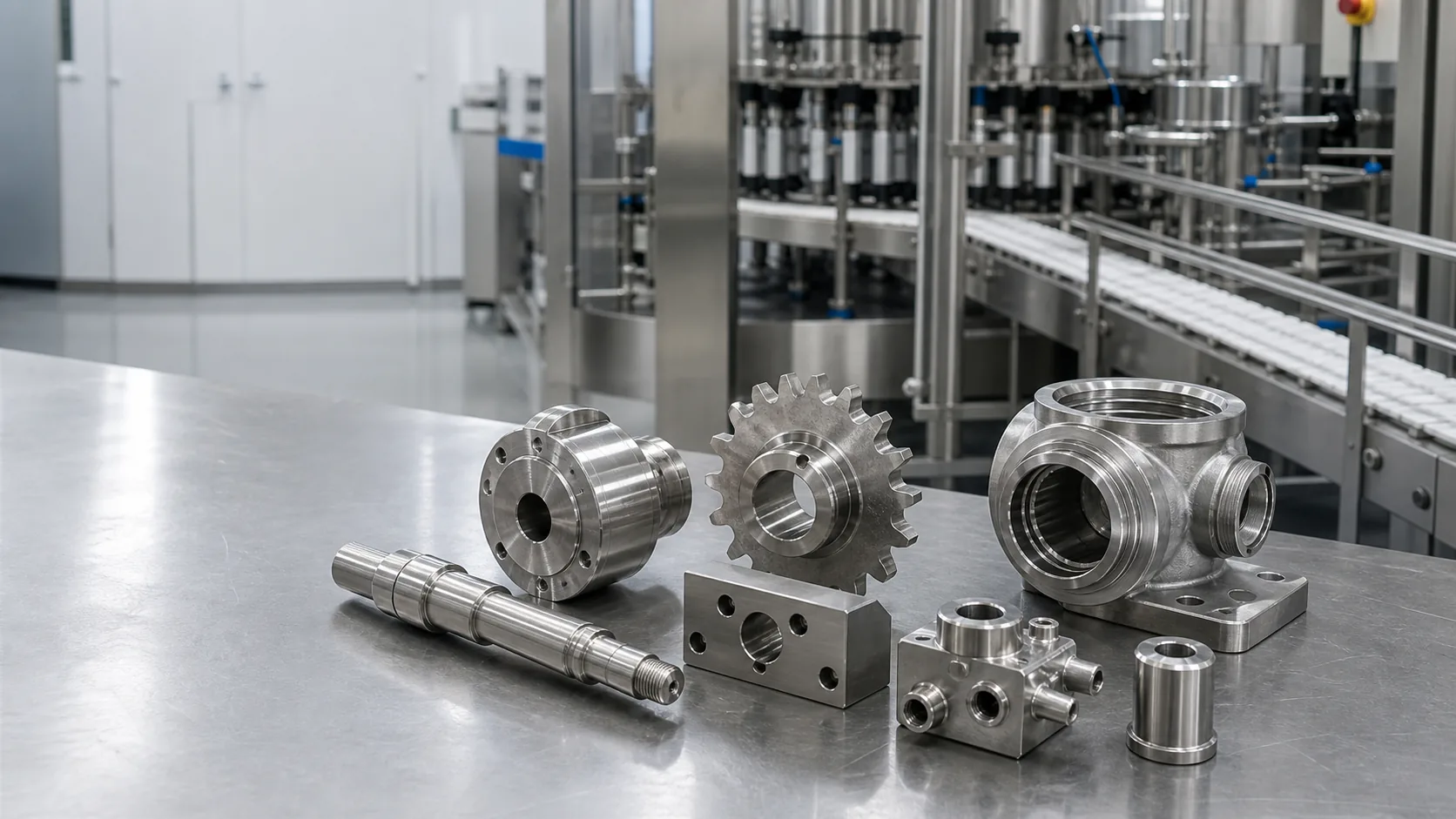
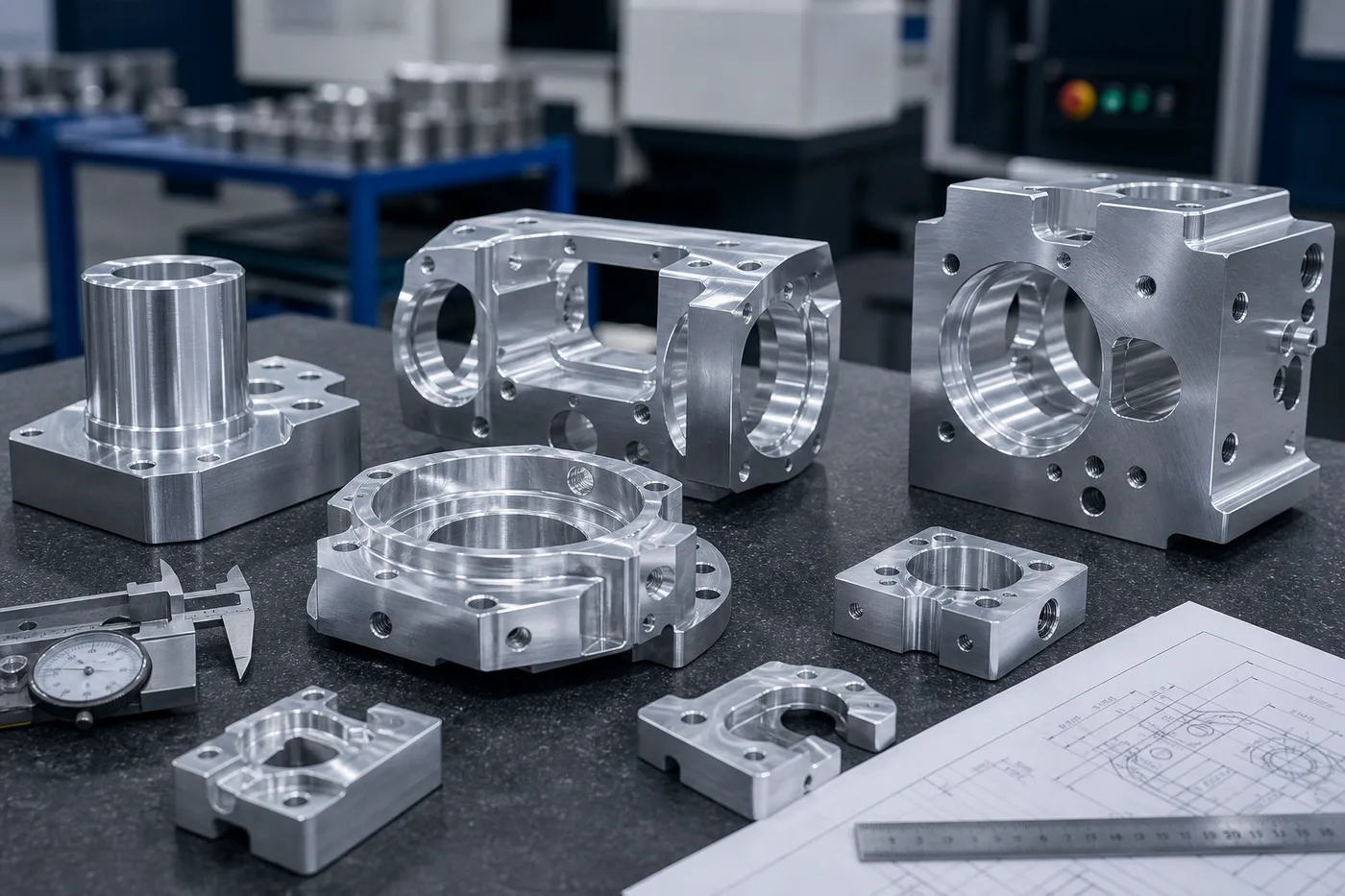
Filling nozzles, dosing components, manifolds, valve bodies, pump housings, sleeves, and flow blocks; Mixer, agitator, auger, depositor, cutter, slicer, and portioning shafts, hubs, holders, and drive components; Conveyor rollers, guide blocks, sprockets, bushings, wear strips, product-handling nests, and change parts; Sensor mounts, seal carriers, bearing housings, washdown hardware, inspection fixtures, and replacement spares
Material guidance
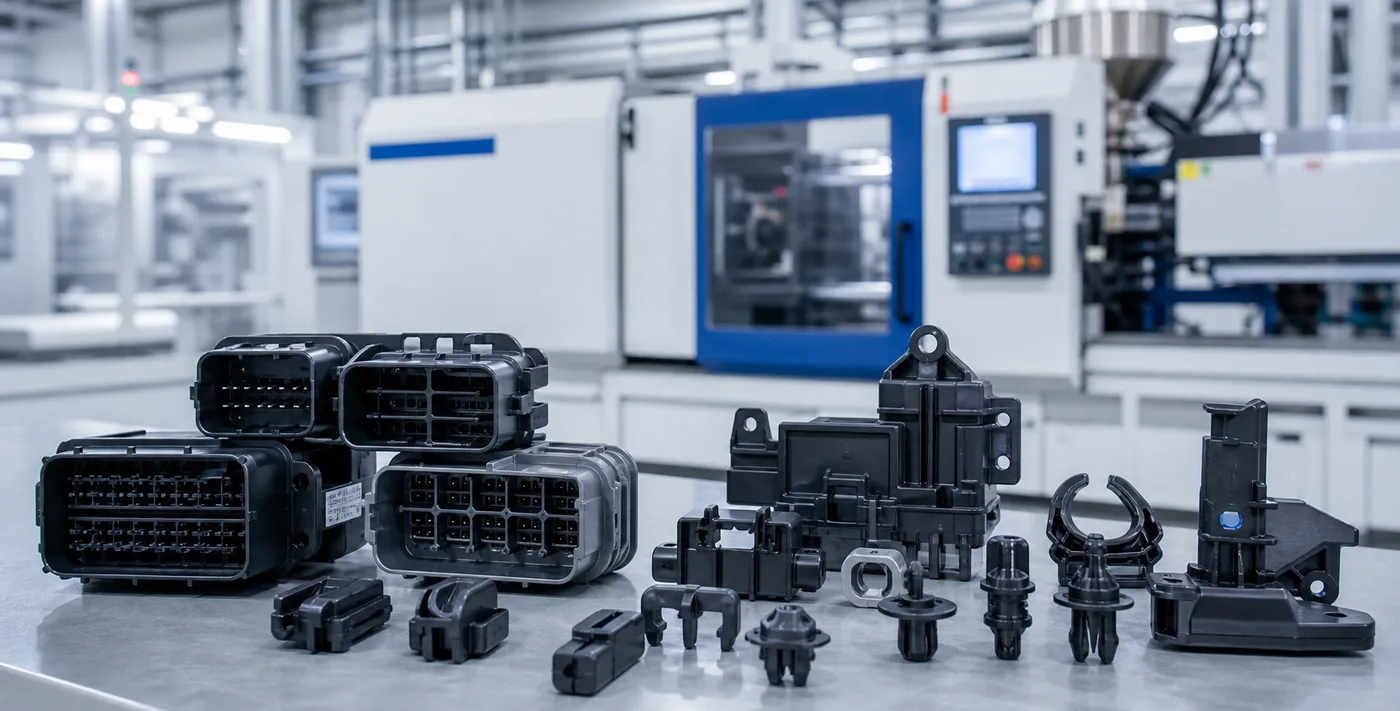
Use the exact stainless grade on the approved drawing; 304, 316, and 316L are not interchangeable assumptions; Select alloy from product chemistry, chloride exposure, temperature, cleaning chemicals, corrosion risk, strength, and joining needs; Use POM, UHMWPE, PEEK, PTFE, or another polymer only by exact grade, color, filler, use condition, and buyer-approved documentation; Separate product-contact material requirements from structural or guarded non-contact machine components; Do not describe a material as food grade or compliant without the specific supplier record and intended-use approval requested by the buyer
Process review
Product-contact surfaces, radii, grooves, threads, blind holes, cross passages, dead legs, drainage, and cleaning access; Seal grooves, bearing fits, shaft runout, concentricity, valve or pump interfaces, and assembled alignment; Machining direction, tool marks, burr removal, edge break, weld or joint transition, polishing, and defined roughness measurement; Passivation, electropolishing, coating, heat treatment, cleaning, and final dimensions after all secondary operations; Plastic moisture or temperature condition, creep, free-state inspection, and restrained installation where relevant
Quality definition
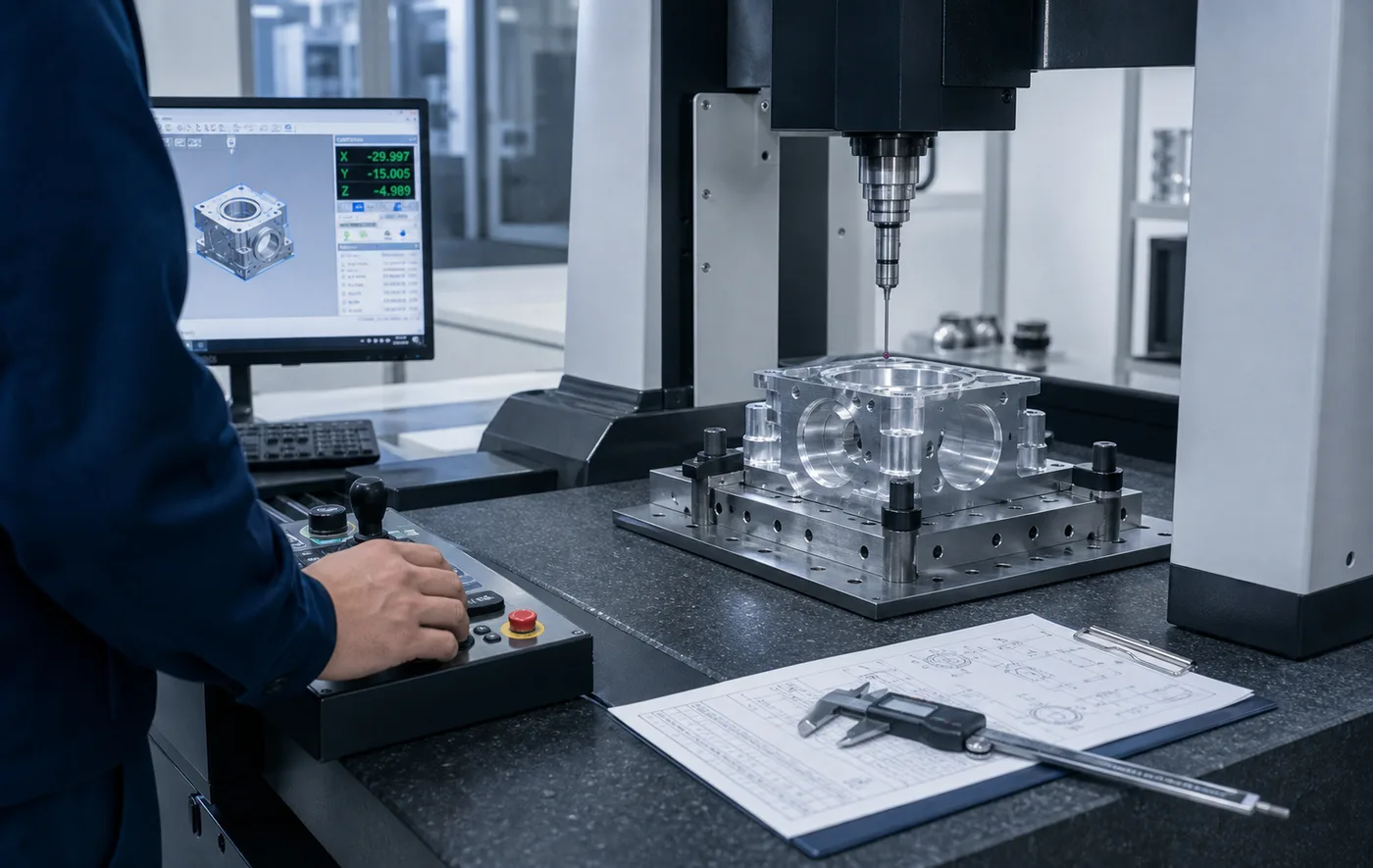
Material grade, heat or lot records, and substitution control matched to the buyer's document requirements; Critical dimensions, runout, position, profile, sealing features, and assembly interfaces inspected from functional datums; Surface roughness, polishing direction, passivation, edge condition, and protected faces verified only to stated acceptance criteria; Internal passages, blind features, threads, and intersecting holes controlled for burrs, chips, and cleaning access; Finished-equipment cleanability, sanitation, microbiological, process, and regulatory validation retained by the buyer's approval plan
Cost and lead time
Stainless alloy, stock condition, material documentation, and low-volume purchasing; Deep bores, internal passages, thin walls, long shafts, fine sealing geometry, and multi-axis access; Tight runout, concentricity, broad flatness, profile, surface roughness, and inspection reporting; Polishing, passivation, electropolishing, controlled cleaning, special handling, and protected packaging; Reverse engineering, urgent downtime spares, validation samples, mixed-part kits, and revision control
RFQ package
STEP model, controlled drawing, assembly view, and marked product-contact or splash zones; Food or beverage type, temperature, pressure, cleaning process, chemical exposure, and operating cycle; Exact material grade, finish or roughness, passivation, seals, critical dimensions, and documentation; Prototype quantity, annual demand, validation plan, delivery target, and clean protective packaging requirements