Typical parts
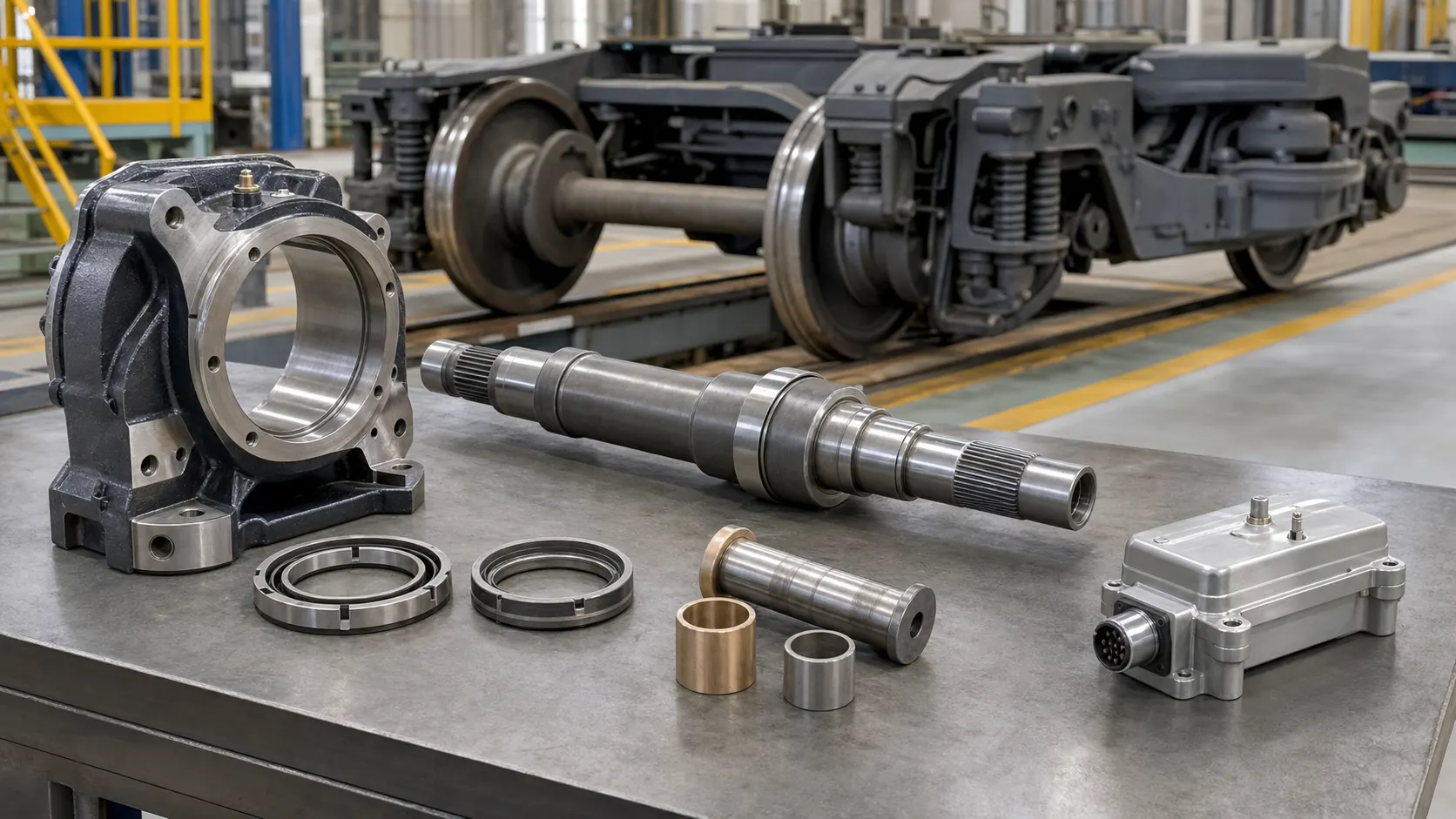
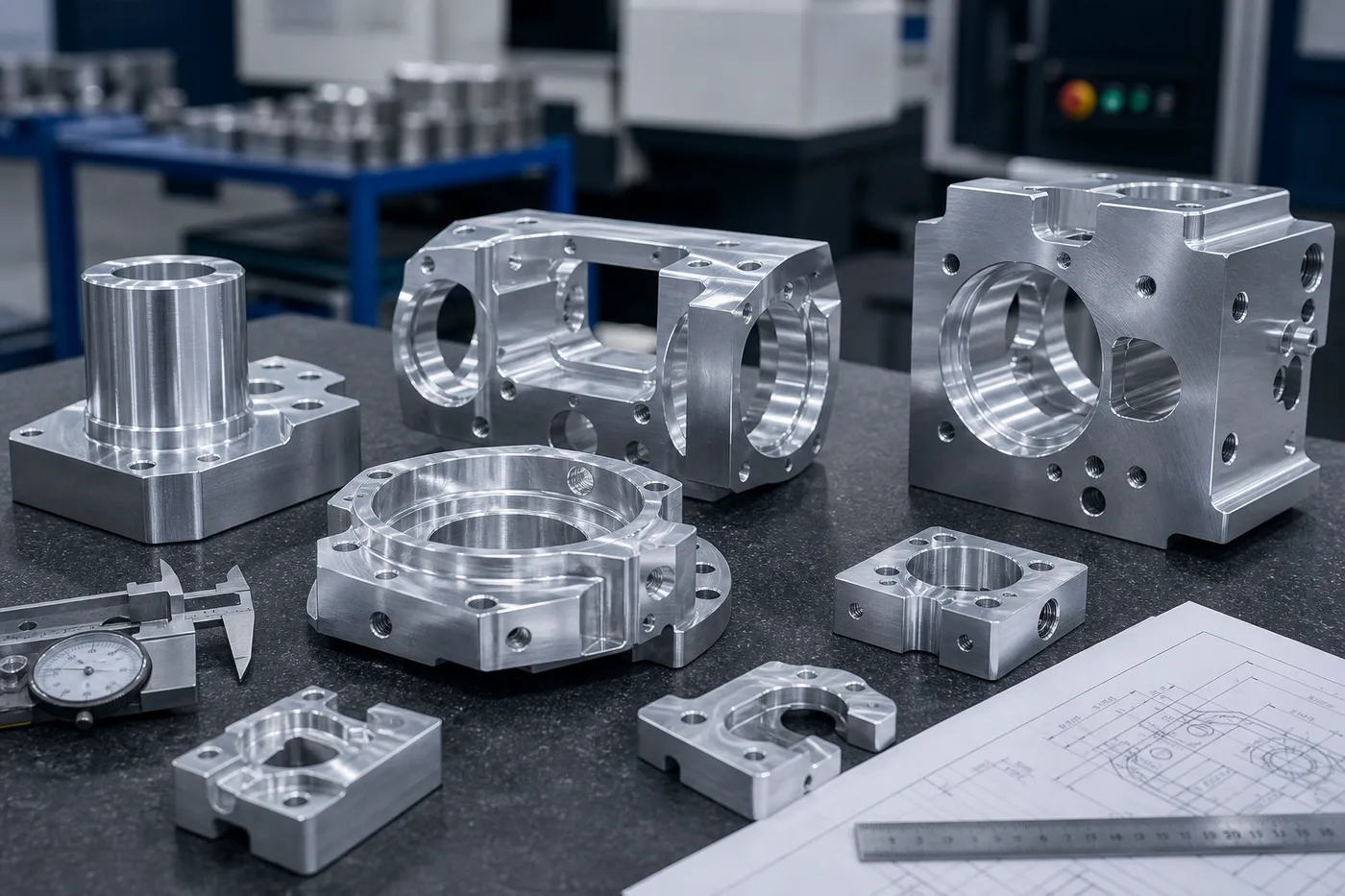
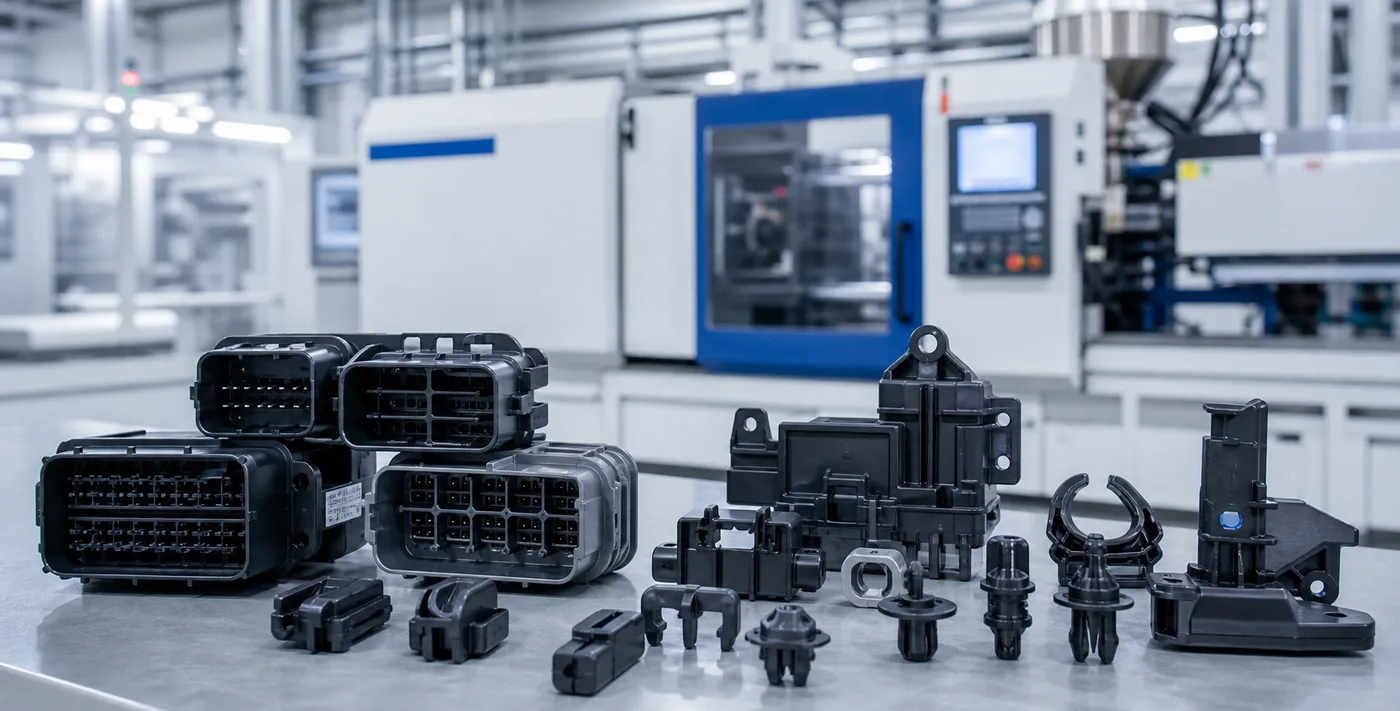
Selectively machined axle-box-style and bogie bearing housings, bearing blocks, center or side-bearing interfaces, pivot pins, bushings, sleeves, spacers, trunnions, brackets, and suspension or damper mounting interfaces; Traction-motor, gearbox, compressor, pump, fan, generator, transmission, and auxiliary-equipment shafts, rotors, hubs, labyrinth seals, seal carriers, bearing seats, couplings, flanges, and machined housing features; Drawing-defined brake, door, actuator, valve, pneumatic, hydraulic, HVAC, seating, access, and service-equipment housings, pistons, pins, guides, rollers, plates, and mounting components where the buyer defines criticality and approval route; Trackside signal and sensor housings, connector and cable-entry plates, equipment mounting blocks, insulated or corrosion-resistant parts, depot fixtures, gauges, track-inspection and on-track maintenance-machine shafts, rollers, carriers, and controlled legacy spares
Material guidance
Use the exact railway drawing and purchasing specification for forged carbon or alloy steel, section size, steelmaking and cleanliness route, heat treatment, mechanical properties, hardness, grain flow, test coupons, and approved source; familiar commercial grades are not automatic substitutes; For cast steel, ductile iron, gray iron, or aluminum castings, define casting process, material standard, heat treatment, soundness, repair limits, NDE, machining allowance, datum pads, pressure or leak role, and supplier qualification separately from finished CNC dimensions; Use stainless steel, aluminum, copper alloy, bronze, elastomer-adjacent metal, or engineering plastic only after reviewing load, wear, friction, temperature, moisture, salt, cleaning, electrical, fire, smoke, toxicity, and mating-material requirements assigned by the system owner; Treat wheels, axles, wheel centers, brake discs, couplers, springs, suspension elements, high-strength fasteners, friction materials, and structural weldments as railway-specific product and process routes; general machinability does not establish their suitability; Define coating, plating, paint, shot peening, nitriding, induction hardening, carburizing, grinding burn control, welding, brazing, adhesive, sealant, and repair processes with the buyer's qualification, masking, thickness, post-process dimension, and record requirements
Process review
Confirm component classification, drawing status, authorized fleet or equipment range, key characteristics, approval owner, special-process controls, prohibited repairs, change thresholds, and supplier qualification before manufacturing planning; Review blank envelope and mass, forging or casting datum pads, machining allowance, soundness, lifting and fixturing, rough machining, heat treatment or stress relief, straightening, semi-finishing, grinding, coating, and final inspection sequence; Control bearing bores and journals, seal lands, labyrinth gaps, shaft runout, shoulder spacing, spline or key clocking, pin and bushing clearance, mounting faces, bolt patterns, ports, and alignment features from functional assembly datums; Plan clean handling, foreign-material exclusion, thread and port protection, marking location, preservation, gauge and fixture identification, calibrated inspection, FAI or source inspection, concession control, and document delivery as part of the production route; For samples and obsolete parts, record wear, ovality, bending, cracking, corrosion, plating loss, weld repair, sleeves, field rework, mating-part condition, fleet variation, and every reconstructed nominal assumption before a buyer-approved trial
Quality definition
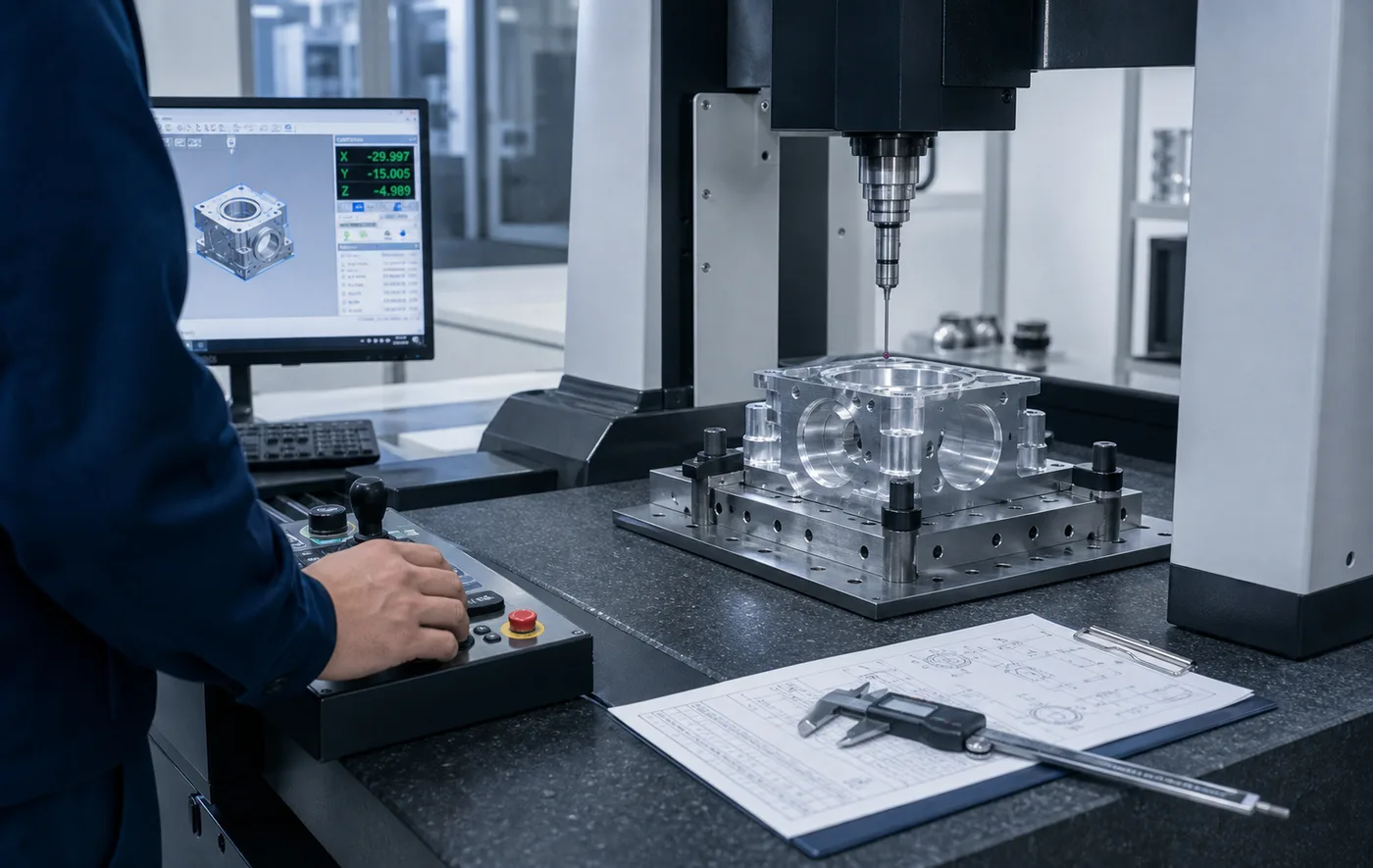
Part and drawing number, revision and status, vehicle or equipment applicability, material heat and lot, blank source, process route, special-process supplier, operator identity where required, and serialized or batch traceability matched to the purchase specification; First-article, dimensional, surface-finish, runout, profile, fit, thread, spline, hardness, case-depth, coating, cleanliness, and gauge results reported only to the buyer-defined sampling, method, acceptance, and record format; Ultrasonic, magnetic-particle, dye-penetrant, radiographic, eddy-current, metallographic, residual-stress, balance, pressure, leak, or other verification included only where the controlled drawing, maintenance instruction, or approved quality plan requires it; Nonconformance, concession, repair, rework, substitution, deviation, process change, source change, tooling change, and drawing revision controlled before shipment rather than resolved through undocumented shop-floor judgment; Wheelset, axle, brake, suspension, coupler, signaling, EMC, fire, structural, crashworthiness, fatigue, vehicle-integration, operational inspection, and return-to-service acceptance remain outside ordinary component dimensional inspection
Cost and lead time
Approved or special material source, forging or casting minimum, blank qualification, test coupons, low-volume purchasing, material removal, interrupted cuts, heat treatment, straightening, stress relief, and rejected-blank risk; Large or long envelopes, heavy lifting, complex fixtures, multiple datum transfers, deep bores, restricted tool access, bearing-grade finishes, spline or gear work, grinding, honing, balancing, and final dimensions after coating; FAI, source inspection, customer witness points, NDE, hardness mapping, special-process records, measurement-system requirements, custom gauges, inspection programming, document packs, and long record-retention requirements; Safety or approval classification, supplier qualification, sample and mating-part measurement, engineering clarification, concessions, validation pieces, bench or vehicle trials, configuration review, and controlled change approval; Mixed fleet kits, serialized identification, protected journals and seals, moisture and corrosion protection, long-term storage, export packing, delivery to depot schedules, and urgent service-recovery freight
RFQ package
Controlled STEP model and 2D drawing, assembly or exploded view, part and drawing number, revision and status, authorized vehicle or equipment type and serial range, subsystem position, and buyer-assigned criticality; Passenger, freight, metro, tram, locomotive, bogie, traction, brake, door, HVAC, signaling, trackside, depot, or maintenance-machine context; load, speed, vibration, shock, temperature, weather, corrosion, debris, lubrication, and service interval; Exact material and blank specification, approved source or qualification needs, heat treatment, hardness, welding or repair limits, coating, NDE, cleanliness, FAI, inspection, traceability, marking, and documentation requirements; Prototype, overhaul, replacement, fleet-spare, or production quantity; annual demand; validation and approval owner; existing maintenance instruction; sample condition; change-control route; delivery destination; preservation; and kit packaging