Define the operating environment
Temperature, outdoor exposure, vibration, load, chemicals, moisture, and assembly conditions affect part design and material choice.
Applications
Application pages connect customer problems with product examples, recommended processes, materials, quality needs, and the quote upload workflow.
Explore related options
This section starts from practical buyer problems, then maps them to parts, manufacturing processes, materials, quality checks, packaging, and delivery.
Upload Files for QuoteStart from a real use case such as EV battery components, wiring harness clips, or outdoor cable management.
Identify the part families needed for the application: brackets, connectors, housings, guides, covers, or assemblies.
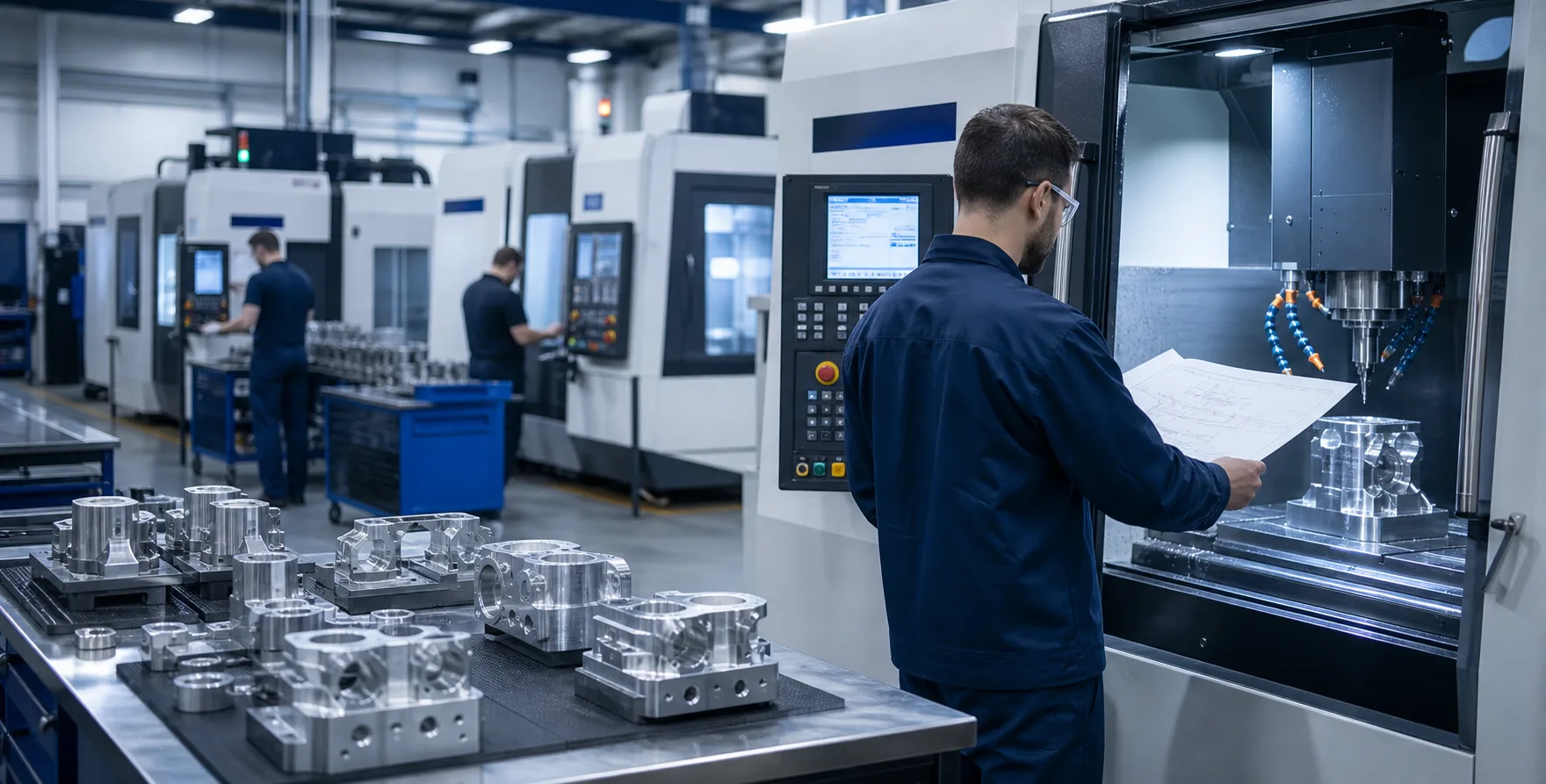
Match each application to process, material, surface finish, quality checks, and production volume.
Use RFQ data to review drawings, quote price and lead time, then plan packaging and export delivery.
EV battery component projects connect automotive demand with manufacturable brackets, housings, insulation parts, connectors, materials, and quality requirements.

Wiring harness applications need reliable clips, connectors, guides, and brackets that can be produced consistently for automotive assemblies.

Outdoor cable management pages connect weather resistance, material selection, installation needs, and custom manufacturing solutions.
Medical device housings connect medical product requirements with plastic molding, CNC machining, prototype review, material choice, and documentation needs.
Electronics thermal management applications include heat sinks, aluminum housings, covers, enclosures, and parts that help manage heat in devices.
Robotic arm brackets require alignment, hole position, stiffness, lightweight materials, surface finish, and reliable quote review from drawings.
Energy storage enclosures need durable sheet metal fabrication, finish protection, mounting features, ventilation, packaging, and export delivery planning.
Industrial sensor housings require fit, protection, mounting, cable routing, sealing considerations, material selection, and quote-ready drawings.
Application-driven sourcing
Application pages help buyers who do not start from a process name. They start from a real product use case, then map it to part families, materials, processes, inspection needs, and RFQ data.
Battery brackets, connector parts, insulation components, hardware, CNC machining, stamping, and plastic molding paths.
Connectors, clips, cable guides, PA66 molded parts, stamped terminals, and automotive RFQ requirements.
Outdoor clips, brackets, enclosures, corrosion-resistant materials, UV exposure, packaging, and delivery planning.
Direct answer
Compare related products, processes, materials, and industries before uploading files. Use the project requirements, supported files, RFQ checklist, and cost and lead-time drivers below to choose the most useful next step.
Which part, process, material, or industry page should I open first?
Compare geometry, material, quantity, tolerance, finish, and production stage.
CAD files, drawings, product photos, BOM files, quantity, target price, and delivery country.
Process route, material availability, tooling or setup, finish, inspection, packaging, and annual demand.
Project decision checkpoint
Compare the available options, identify what affects price or lead time, and prepare the details needed before sales and engineering can provide a useful quotation.
Temperature, outdoor exposure, vibration, load, chemicals, moisture, and assembly conditions affect part design and material choice.
Applications often combine brackets, connectors, clips, housings, covers, inserts, terminals, and small assemblies.
CNC machining, injection molding, stamping, sheet metal fabrication, and die casting may all apply to one application.
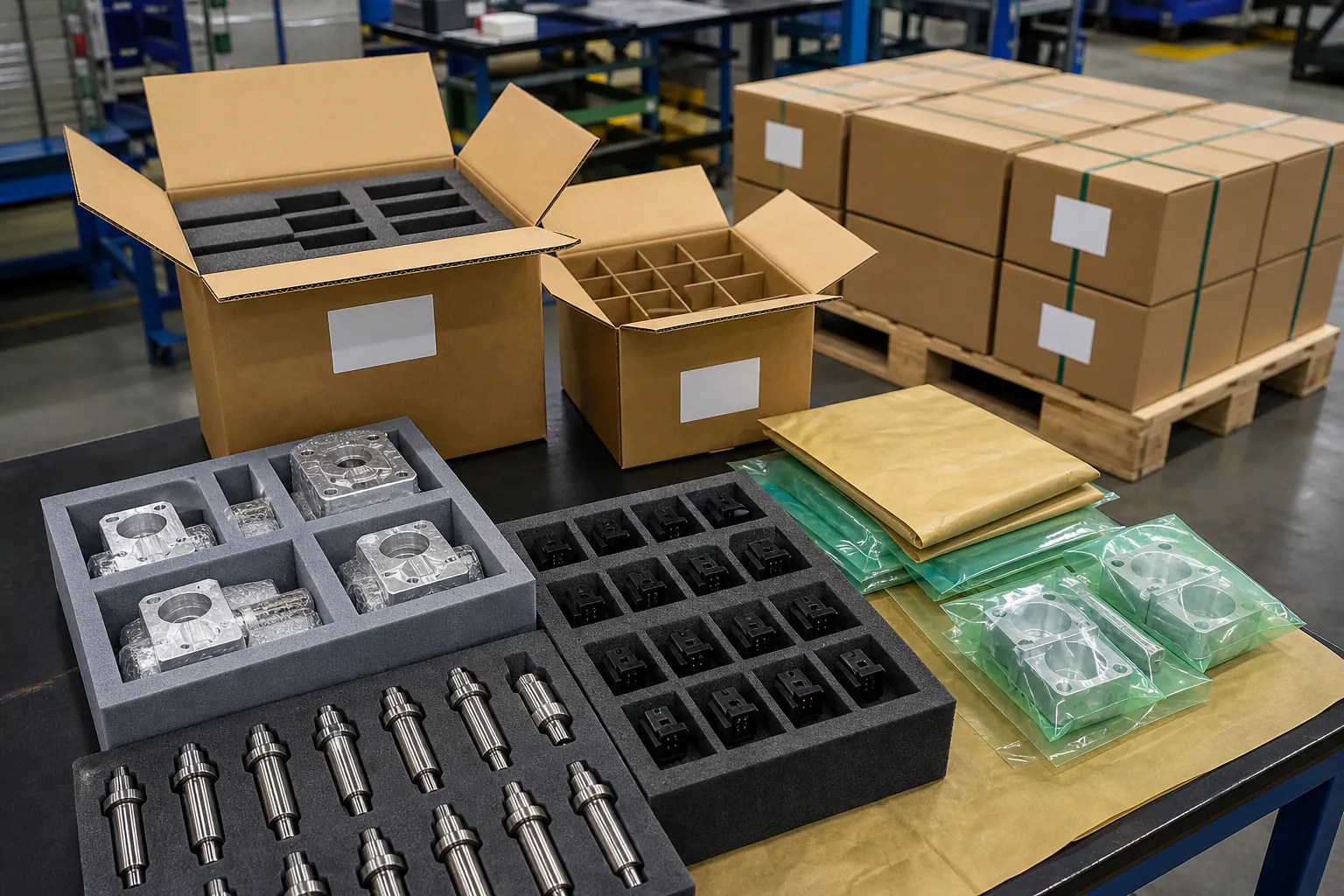
Inspection points, material certificates, cosmetic requirements, packaging, and delivery expectations should be clear before quotation.
You know the part family, process, material, industry, or application and need a practical sourcing path.
The part is early-stage, the material is uncertain, or quantity may require tooling instead of prototype production.
Missing drawings, unclear material, no quantity, no finish requirement, and no delivery target usually delay quote review.
Files stay connected to the RFQ workflow.
Sales checks process, material, tolerance, and quantity.
Critical dimensions, finish, and packaging are reviewed.
Delivery country, lead time, and packaging are captured.
Buyers can compare examples before sending files.
Upload CAD drawings, quantities, materials, tolerances, finishes, inspection needs, and delivery requirements. The next step is an engineer-reviewed quotation with visible assumptions and unresolved questions.
Upload Files for Review