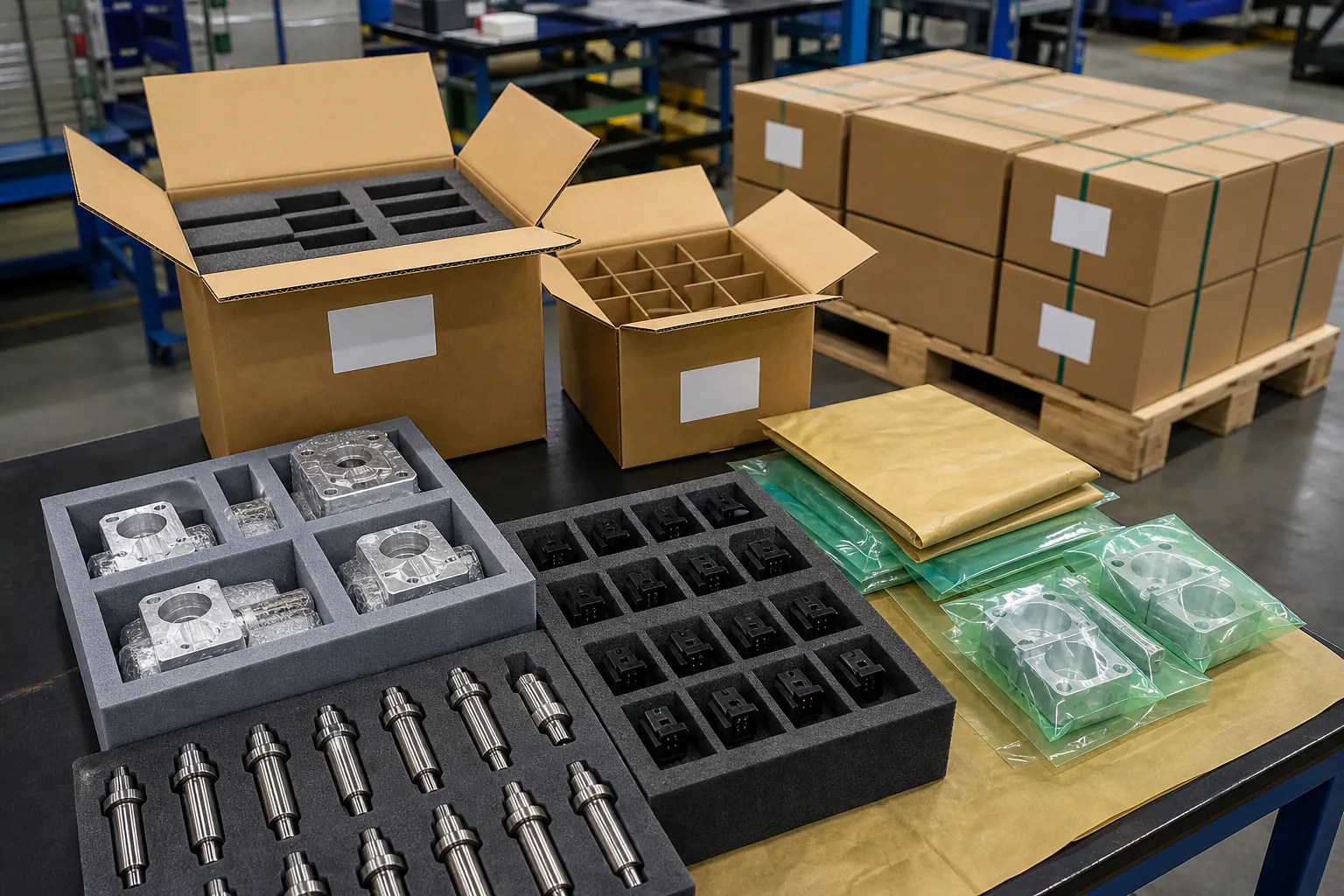
Prototype Quote
For early-stage parts that need fast manufacturability review, file upload, material choice, and small-batch pricing.
Manufacturing Services
MakesHub reviews drawings, confirms an applicable supplier route, prepares a written quotation, defines the quality scope, and manages export delivery. Other processes remain available only after project-specific engineering and supplier review.
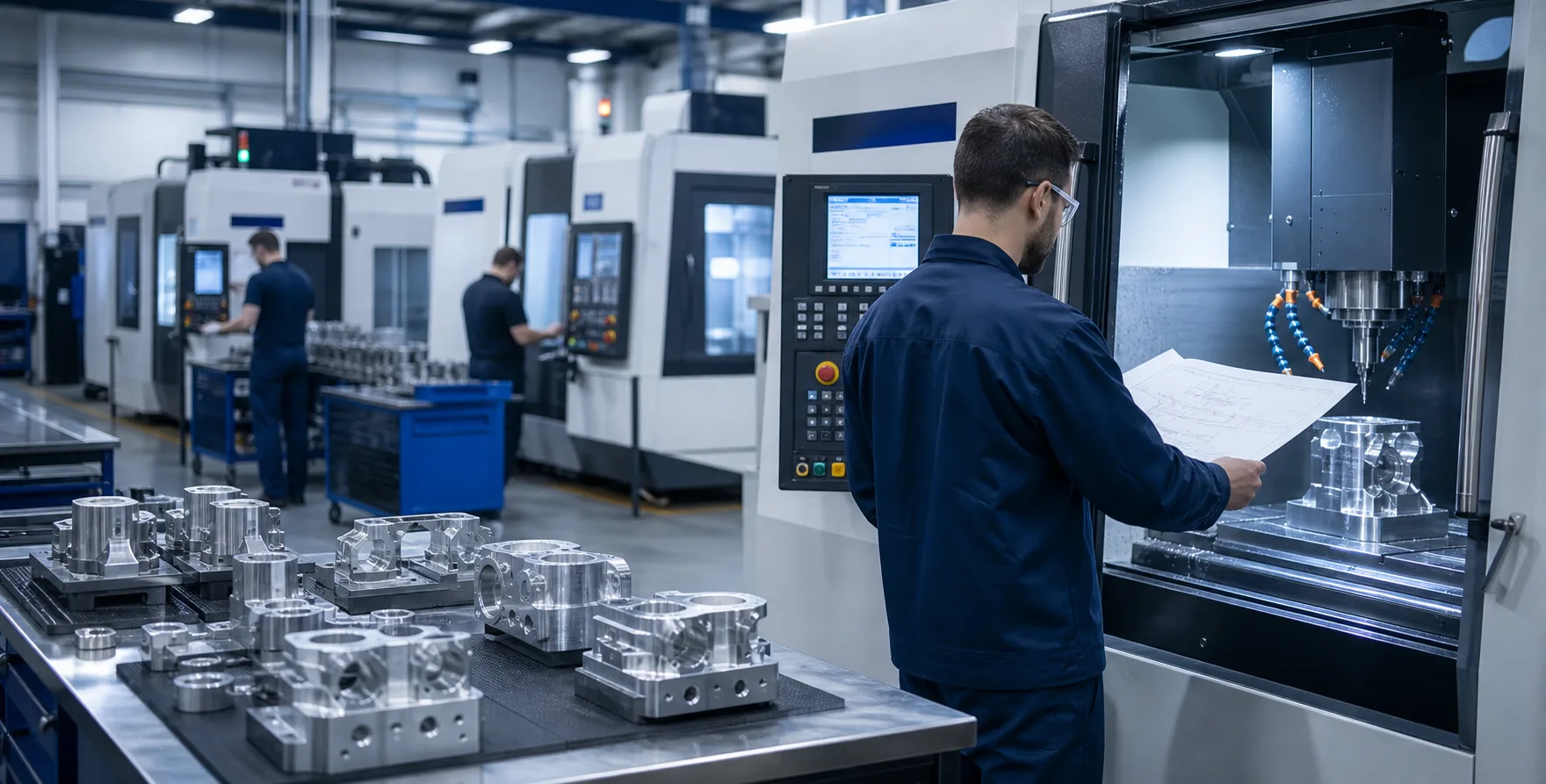
Explore related options
This section helps buyers choose a manufacturing service first, then move into files, material, quantity, tolerance, finish, and quotation review.
Upload Files for QuoteFor early-stage parts that need fast manufacturability review, file upload, material choice, and small-batch pricing.
For repeat demand where annual quantity, MOQ, tooling, lead time, inspection, and packaging need structured sales follow-up.
For buyers comparing an existing supplier spec, product photo, sample drawing, target price, and export delivery requirement.
For projects that need process fit, material suggestions, tolerance review, surface finish notes, and quote assumptions.
Core manufacturing programs
These are the primary service paths MakesHub is building around real supplier qualification, written cost evidence, inspection planning, and repeat-order control.
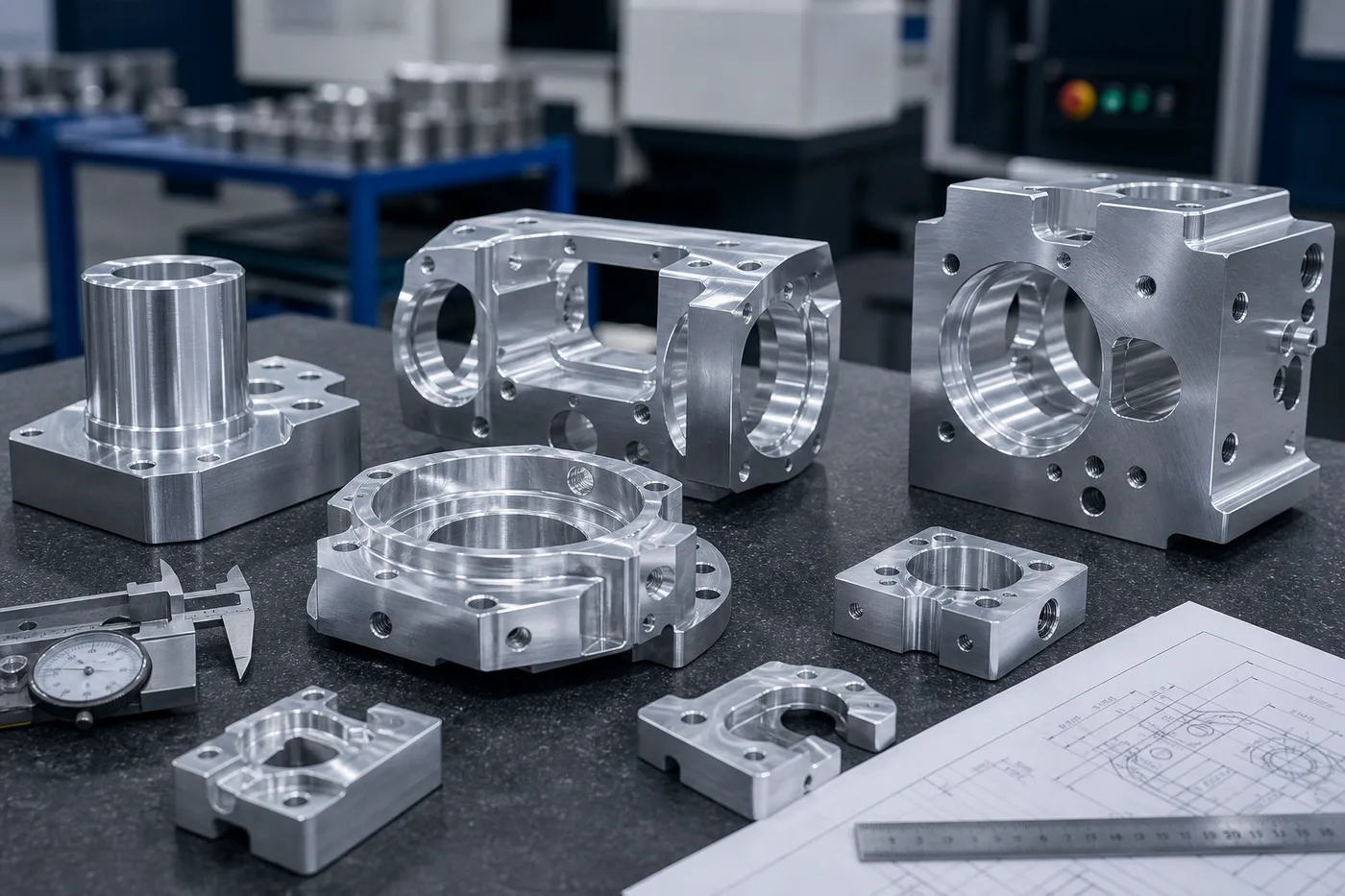
MakesHub reviews CNC machining RFQs for precision metal and plastic parts, then confirms geometry, material, tolerance, finish, quantity, inspection, production-source fit, and delivery scope before a written quotation.
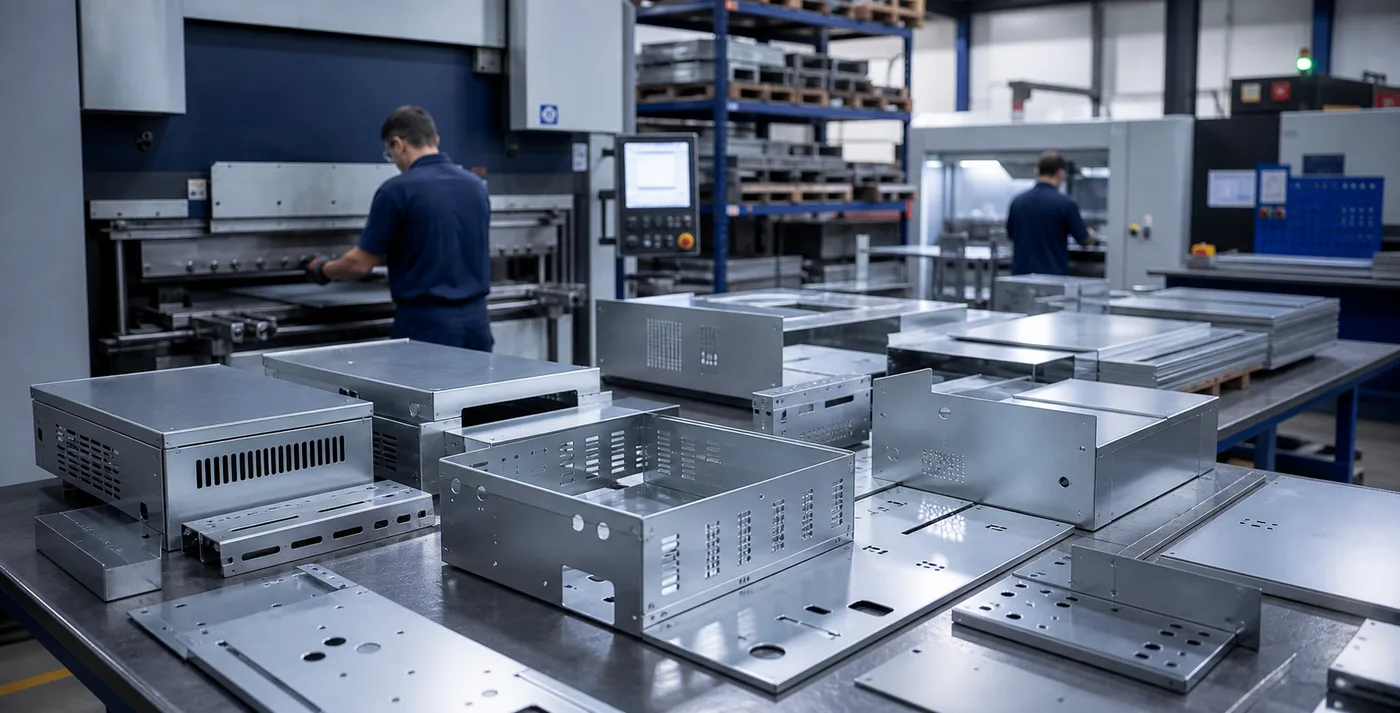
MakesHub reviews sheet metal projects across cutting, bending, joining, hardware insertion, finishing, inspection, packaging, and supplier fit before quotation.
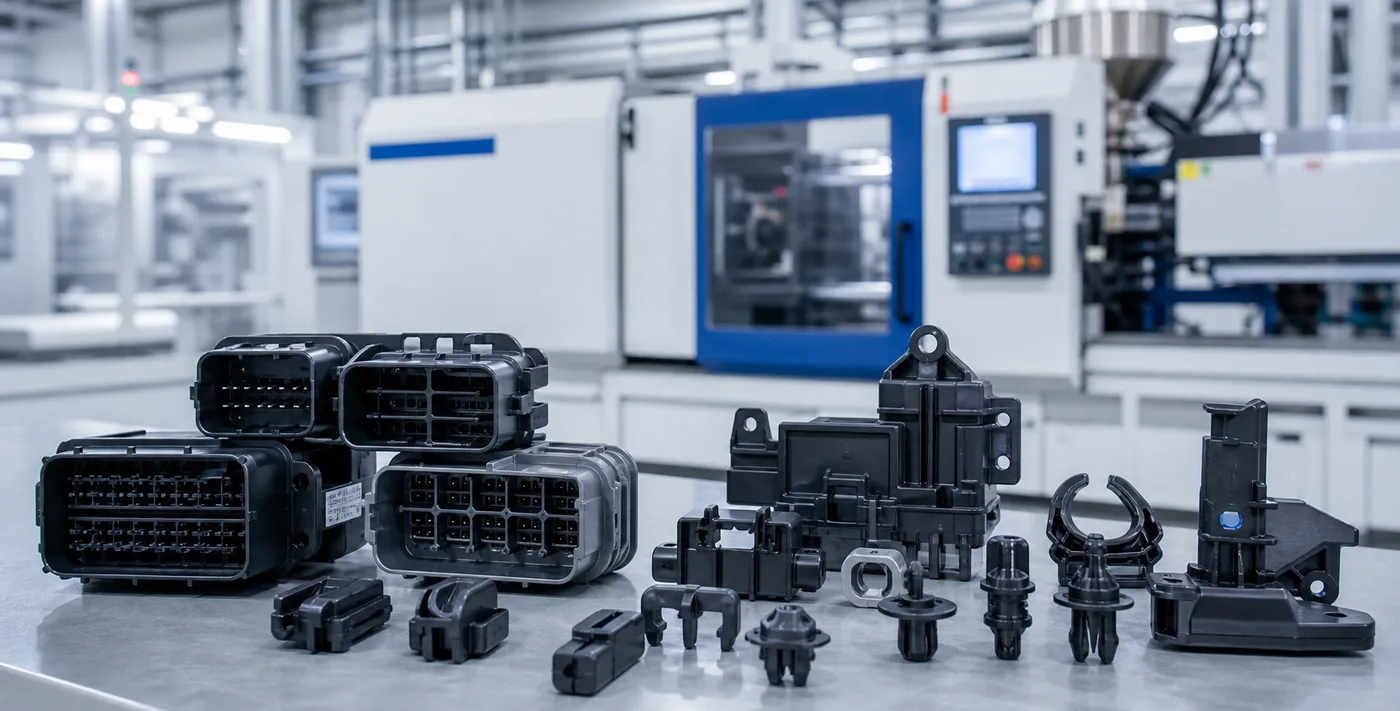
MakesHub reviews injection molding projects that need controlled tooling, production-intent samples, named resin grades, quality evidence, and repeat-production planning.
Engineering-review routes
A page describes the process but does not prove that every supplier, material, tolerance, capacity, quality record, or delivery target is approved. Upload the current files and MakesHub will confirm whether a controlled route is available before issuing a firm quotation.
3D printing supports fast prototype review, fit testing, engineering samples, complex geometry parts, and early-stage manufacturing validation before tooling or CNC production.
Availability after engineering review
Die casting supports repeat metal parts where tooling, stable geometry, aluminum material selection, machining, finishing, and production volume need structured review.
Availability after engineering review
Metal stamping supports repeat sheet metal parts where tooling, material strip, thickness, tolerance, plating, packaging, and annual demand need early quote review.
Availability after engineering review
Mold tooling supports injection molded plastic parts from DFM review and tooling quotation to trial samples, production approval, and repeat manufacturing.
Availability after engineering review
CNC milling is used for parts with flat faces, pockets, holes, threads, slots, mounting features, and precise machined geometry.
Availability after engineering review
CNC turning is used for round parts such as shafts, bushings, pins, spacers, threaded inserts, fittings, and precision cylindrical components.
Availability after engineering review
5-axis machining helps produce complex parts with angled faces, deep features, curved surfaces, fewer setups, and higher precision alignment.
Availability after engineering review
Laser cutting creates accurate flat sheet metal profiles before bending, welding, hardware insertion, and finishing.
Availability after engineering review
Sheet metal bending turns flat laser-cut blanks into brackets, panels, covers, enclosures, and formed components.
Availability after engineering review
Welding supports fabricated assemblies, frames, brackets, enclosures, supports, and industrial metal structures that require joined components.
Availability after engineering review
Services vs capabilities
Explain what the customer is buying, what files to upload, what quote information is needed, and how sales follows up.
Explain the technical manufacturing process, materials, tolerances, surface finish, equipment logic, and quality control.
Service selection
A buyer may need a quick prototype, a repeat production quote, tooling review, or a replacement supplier comparison. Service paths organize those needs before technical process details.
For metal and plastic parts with tight tolerances, prototypes, fixtures, housings, brackets, shafts, and low-volume production.
For enclosures, panels, covers, formed brackets, welded assemblies, powder coating, and industrial equipment parts.
For plastic housings, connectors, clips, covers, tooling, samples, production unit price, and annual demand planning.
Direct answer
Compare related products, processes, materials, and industries before uploading files. Use the project requirements, supported files, RFQ checklist, and cost and lead-time drivers below to choose the most useful next step.
Which part, process, material, or industry page should I open first?
Compare geometry, material, quantity, tolerance, finish, and production stage.
CAD files, drawings, product photos, BOM files, quantity, target price, and delivery country.
Process route, material availability, tooling or setup, finish, inspection, packaging, and annual demand.
Project decision checkpoint
Compare the available options, identify what affects price or lead time, and prepare the details needed before sales and engineering can provide a useful quotation.
Prototype projects need speed and manufacturability feedback. Production projects need MOQ, lead time, inspection, and repeat supply planning.
CNC and sheet metal can start without hard tooling. Injection molding, stamping, and die casting usually need tooling and sample approval.
Existing supplier specs, product photos, samples, target price, and current problems help sales compare the best route.
When the process is uncertain, upload drawings and let sales review geometry, material, finish, quantity, and tolerance.
You know the part family, process, material, industry, or application and need a practical sourcing path.
The part is early-stage, the material is uncertain, or quantity may require tooling instead of prototype production.
Missing drawings, unclear material, no quantity, no finish requirement, and no delivery target usually delay quote review.
Files stay connected to the RFQ workflow.
Sales checks process, material, tolerance, and quantity.
Critical dimensions, finish, and packaging are reviewed.
Delivery country, lead time, and packaging are captured.
Buyers can compare examples before sending files.
Upload CAD drawings, quantities, materials, tolerances, finishes, inspection needs, and delivery requirements. The next step is an engineer-reviewed quotation with visible assumptions and unresolved questions.
Upload Files for Review